Genre
haryanvi pop
Top Haryanvi pop Artists
Showing 25 of 1,270 artists


About Haryanvi pop
Haryanvi pop is a contemporary strand of Indian popular music sung in the Haryanvi language, designed for the dance floor as much as for the ear. It sits at a crossroads between Haryana’s rich folk heritage—forms like ragini and saang—and the pulse of global pop, EDM, and hip‑hop. The result is music that feels rooted in place yet wired for the club, online feeds, and festival ambience. The genre thrives on direct, catchy hooks, risqué humor, and a swaggering tempo that invites you to move.
The birth of modern Haryanvi pop can be traced to the late 2000s and early 2010s, when local folk sensibilities began to collide with digital media and city‑bred pop aesthetics. YouTube and regional TV brought Haryanvi voices beyond village stages and wedding circuits, turning songs into shareable visual experiences as much as audio. This period also saw female and male artists experiment with bilingual textures, bold storytelling, and playful bravado, paving the way for a genre that could be both deeply traditional and unapologetically contemporary.
Musically, Haryanvi pop tends to favor punchy, danceable grooves with a robust bass, Indian percussion, and electronic textures. The production frequently leans on party‑ready drops, catchy chorus lines, and call‑and‑response moments that work well in crowds. While the core is infectious dance energy, there’s also room for storytelling about love, pride, and everyday life—delivered in a voice that can be brassy, sultry, or exuberantly witty. While Punjabi and Hindi influences mingle in many tracks, the unmistakable Haryanvi dialect gives the genre its ras, flavor, and humor.
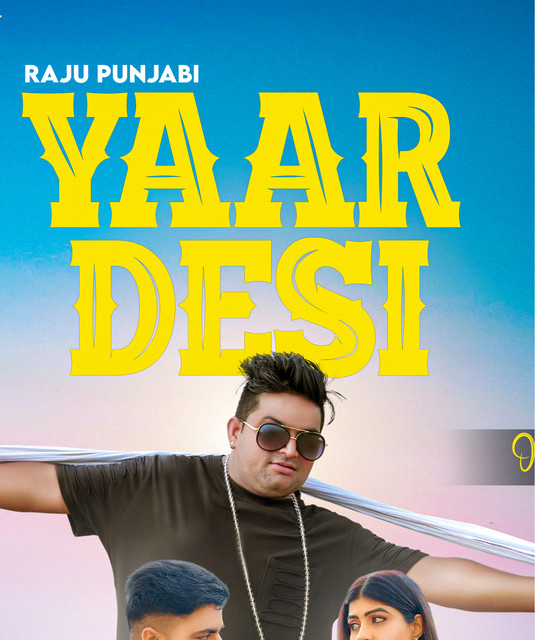
Key ambassadors and flagship names have helped shape the scene. Sapna Choudhary rose to prominence as a leading face of Haryanvi pop, combining vocal performance with high‑impact stage presence and video content that fuelled widespread popularity. Renuka Panwar became a reference point with “52 Gaj Ka Daman,” a track that demonstrated how a regional hit could become a nationwide sensation, especially through online platforms. Diler Kharkar remains a significant male voice in the scene, known for songs that blend traditional lyricism with contemporary production. Other influential figures include Raju Punjabi, who helped broaden the sonic palette, and Khasa Aala Chadha, whose rap‑flavored Haryanvi tracks brought street‑level grit to the genre. In more recent years, artists like Amit Saini Rohtakiya have been instrumental in expanding the genre’s reach to younger audiences with a modern, YouTube‑driven approach.
Geographically, Haryanvi pop is most strongly rooted in India—especially Haryana, Delhi‑NCR, and neighboring North Indian regions—but its appeal isn’t confined by borders. The music travels through Indian diaspora communities in the Middle East, North America, the UK, and Australia, where North Indian pop circuits and wedding entertainment demand new regional flavors. Fans also discover tracks via social media reels, streaming playlists, and regional film and event soundtracks, making the genre a dynamic, outward‑looking project rather than a local curiosity.
For music enthusiasts, Haryanvi pop represents a living, evolving dialogue between tradition and modern street culture. It’s a genre that invites you to explore regional storytelling, bold vocal performances, and tracks that can move from intimate lyricism to high‑voltage dance floors in a single listen.
The birth of modern Haryanvi pop can be traced to the late 2000s and early 2010s, when local folk sensibilities began to collide with digital media and city‑bred pop aesthetics. YouTube and regional TV brought Haryanvi voices beyond village stages and wedding circuits, turning songs into shareable visual experiences as much as audio. This period also saw female and male artists experiment with bilingual textures, bold storytelling, and playful bravado, paving the way for a genre that could be both deeply traditional and unapologetically contemporary.
Musically, Haryanvi pop tends to favor punchy, danceable grooves with a robust bass, Indian percussion, and electronic textures. The production frequently leans on party‑ready drops, catchy chorus lines, and call‑and‑response moments that work well in crowds. While the core is infectious dance energy, there’s also room for storytelling about love, pride, and everyday life—delivered in a voice that can be brassy, sultry, or exuberantly witty. While Punjabi and Hindi influences mingle in many tracks, the unmistakable Haryanvi dialect gives the genre its ras, flavor, and humor.
Key ambassadors and flagship names have helped shape the scene. Sapna Choudhary rose to prominence as a leading face of Haryanvi pop, combining vocal performance with high‑impact stage presence and video content that fuelled widespread popularity. Renuka Panwar became a reference point with “52 Gaj Ka Daman,” a track that demonstrated how a regional hit could become a nationwide sensation, especially through online platforms. Diler Kharkar remains a significant male voice in the scene, known for songs that blend traditional lyricism with contemporary production. Other influential figures include Raju Punjabi, who helped broaden the sonic palette, and Khasa Aala Chadha, whose rap‑flavored Haryanvi tracks brought street‑level grit to the genre. In more recent years, artists like Amit Saini Rohtakiya have been instrumental in expanding the genre’s reach to younger audiences with a modern, YouTube‑driven approach.
Geographically, Haryanvi pop is most strongly rooted in India—especially Haryana, Delhi‑NCR, and neighboring North Indian regions—but its appeal isn’t confined by borders. The music travels through Indian diaspora communities in the Middle East, North America, the UK, and Australia, where North Indian pop circuits and wedding entertainment demand new regional flavors. Fans also discover tracks via social media reels, streaming playlists, and regional film and event soundtracks, making the genre a dynamic, outward‑looking project rather than a local curiosity.
For music enthusiasts, Haryanvi pop represents a living, evolving dialogue between tradition and modern street culture. It’s a genre that invites you to explore regional storytelling, bold vocal performances, and tracks that can move from intimate lyricism to high‑voltage dance floors in a single listen.