Genre
haryanvi ragni
Top Haryanvi ragni Artists
Showing 25 of 41 artists


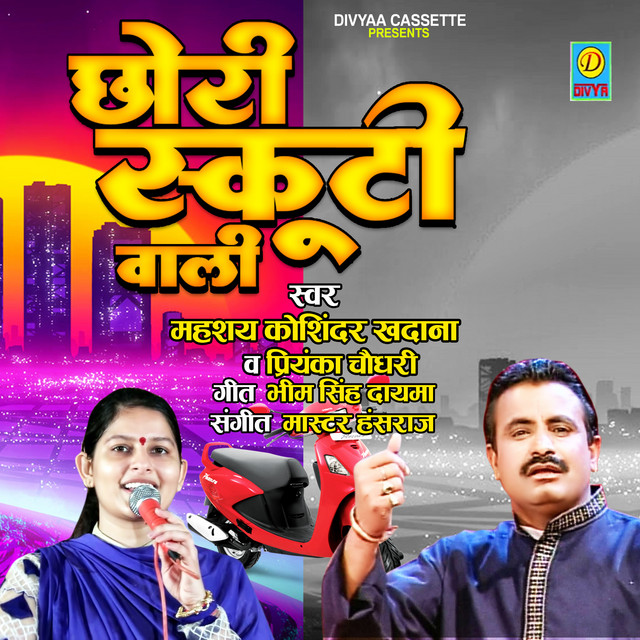


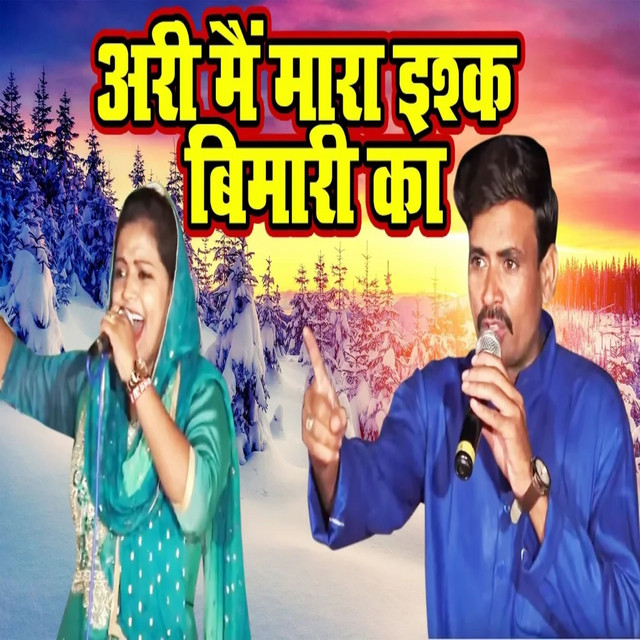


About Haryanvi ragni
Haryanvi Ragini, or Haryanvi Ragni, is a north Indian folk music tradition rooted in the villages of Haryana. It is best understood as a living narrative sung by women, weaving stories of love, valor, harvests, village life, and social realities into emotive and spellbinding performances. The term ragni (also ragni or ragini) designates the female voice at the center of this tradition, around which a modest accompaniment—when present—complements the storytelling rather than dominating it.
Origins and evolution
Ragini has deep, centuries-old roots in rural Haryana, emerging from the oral storytelling and theater practices that accompanied weddings, fairs, and harvest festivals. It matured in the realm of everyday life rather than in formal concert halls. While precise dates are elusive, modern scholarship often points to a flowering in the late 19th and early 20th centuries, aided by traveling singers and poets who helped codify a repertoire of ballads about local heroes, lovers, and farmers’ struggles. The form gained broader recognition in the mid-20th century with the spread of radio and later cassette culture, which allowed ragini to reach audiences beyond the village circle.
Performance and structure
A typical ragini performance centers the female singer, who improvises within a defined folkloric frame. The songs are sung in the distinctive Haryanvi dialect, known for its direct lyricism, earthy humor, and vivid rural imagery. The musical surface is often simple yet striking: a steady rhythm, call-and-response phrases, and occasional refrains that invite the audience to participate. Common accompanying instruments include the dholak (a hand drum) and harmonium, with some ensembles adding folk instruments like the been or shallow melodic gestures to underline mood and drama. The power of ragini lies in storytelling—descriptive lines, etched by vivid local vocabularies, that conjure fields, wells, cattle, weddings, and the social codes that govern village life.
Themes and social role
Ragini preserves memory and cultural knowledge. Songs recount heroic deeds, romances, migrations, and moral dilemmas faced by ordinary people. They also offer social commentary—often subtle—on gender roles, community ethics, and resilience in the face of hardship. The performance tradition has historically provided a space for women to express agency, voice collective memory, and negotiate communal norms through artful storytelling.
Geography, dialect, and global reach
Haryanvi Ragini is most popular within Haryana and in neighboring North Indian communities where Haryanvi is understood and valued. With migration and the global Indian diaspora, ragini has traveled to cities across India and to international hubs such as the United Kingdom, United States, Canada, the Gulf, and Australia, where cultural programs include Haryanvi performances for expatriate audiences and cultural festivals. In recent decades, ragini-inspired music has seeped into modern Haryanvi pop, film songs, and stage shows, helping the tradition survive and evolve in contemporary contexts.
Ambassadors and key figures
Historically, Lakhmi Chand is often celebrated as a foundational figure in Haryanvi ragni and folk theatre, shaping the tradition’s aesthetic and narrative approach. In contemporary times, recognizable performers who bring ragini to wider audiences—whether through live stages, studio recordings, or fusion-driven productions—help keep the genre vibrant for music enthusiasts today. The scene is populated by regional artists across Haryana who maintain the repertoire while welcoming fresh voices and arrangements.
For enthusiasts, Haryanvi ragini offers a rich sonic portal into rural life, language, and storytelling—an art form that is at once intimate, communal, and durable in the face of changing musical landscapes.
Origins and evolution
Ragini has deep, centuries-old roots in rural Haryana, emerging from the oral storytelling and theater practices that accompanied weddings, fairs, and harvest festivals. It matured in the realm of everyday life rather than in formal concert halls. While precise dates are elusive, modern scholarship often points to a flowering in the late 19th and early 20th centuries, aided by traveling singers and poets who helped codify a repertoire of ballads about local heroes, lovers, and farmers’ struggles. The form gained broader recognition in the mid-20th century with the spread of radio and later cassette culture, which allowed ragini to reach audiences beyond the village circle.
Performance and structure
A typical ragini performance centers the female singer, who improvises within a defined folkloric frame. The songs are sung in the distinctive Haryanvi dialect, known for its direct lyricism, earthy humor, and vivid rural imagery. The musical surface is often simple yet striking: a steady rhythm, call-and-response phrases, and occasional refrains that invite the audience to participate. Common accompanying instruments include the dholak (a hand drum) and harmonium, with some ensembles adding folk instruments like the been or shallow melodic gestures to underline mood and drama. The power of ragini lies in storytelling—descriptive lines, etched by vivid local vocabularies, that conjure fields, wells, cattle, weddings, and the social codes that govern village life.
Themes and social role
Ragini preserves memory and cultural knowledge. Songs recount heroic deeds, romances, migrations, and moral dilemmas faced by ordinary people. They also offer social commentary—often subtle—on gender roles, community ethics, and resilience in the face of hardship. The performance tradition has historically provided a space for women to express agency, voice collective memory, and negotiate communal norms through artful storytelling.
Geography, dialect, and global reach
Haryanvi Ragini is most popular within Haryana and in neighboring North Indian communities where Haryanvi is understood and valued. With migration and the global Indian diaspora, ragini has traveled to cities across India and to international hubs such as the United Kingdom, United States, Canada, the Gulf, and Australia, where cultural programs include Haryanvi performances for expatriate audiences and cultural festivals. In recent decades, ragini-inspired music has seeped into modern Haryanvi pop, film songs, and stage shows, helping the tradition survive and evolve in contemporary contexts.
Ambassadors and key figures
Historically, Lakhmi Chand is often celebrated as a foundational figure in Haryanvi ragni and folk theatre, shaping the tradition’s aesthetic and narrative approach. In contemporary times, recognizable performers who bring ragini to wider audiences—whether through live stages, studio recordings, or fusion-driven productions—help keep the genre vibrant for music enthusiasts today. The scene is populated by regional artists across Haryana who maintain the repertoire while welcoming fresh voices and arrangements.
For enthusiasts, Haryanvi ragini offers a rich sonic portal into rural life, language, and storytelling—an art form that is at once intimate, communal, and durable in the face of changing musical landscapes.