Genre
hauntology
Top Hauntology Artists
Showing 25 of 33 artists








About Hauntology
Hauntology is a music genre and a cultural mood that treats the past as a living, unresolved presence in the present. Its name comes from a philosophical idea about ghosts or “haunts” returning to shape today, popularized in music by British theorist Mark Fisher in his 2006 essay What Is Hauntology? He draws on Jacques Derrida’s hauntology to describe art that sounds like it’s listening to a future that never arrived, or a past that won’t stop echoing into the now. In practice, hauntology music feels like memories wearing analog clothes: a skein of nostalgia, unease, and uncanny familiarity.
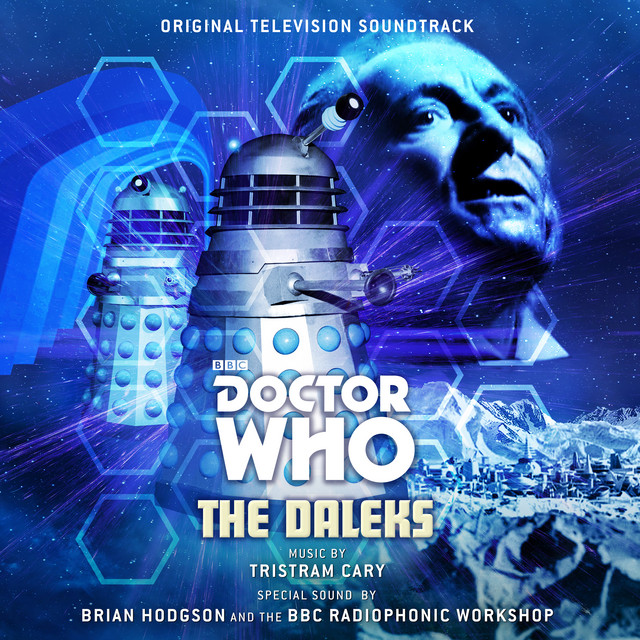
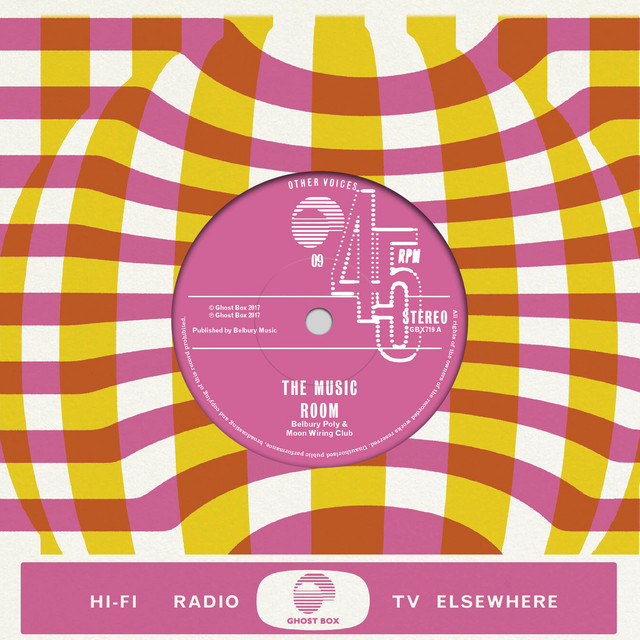
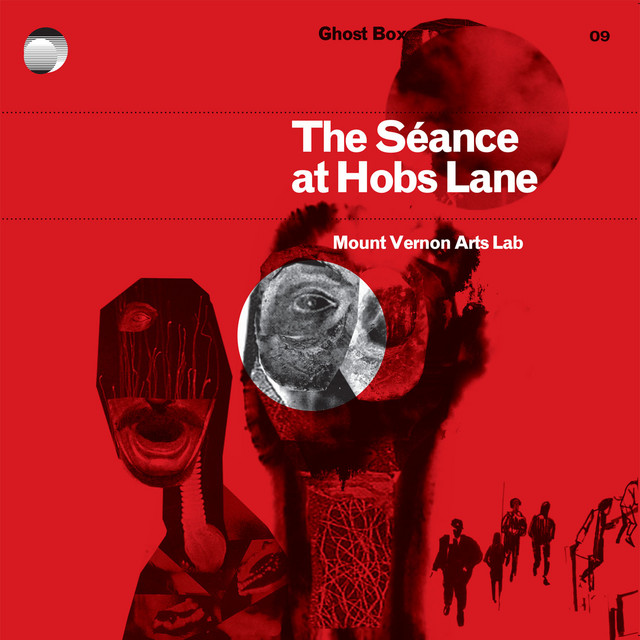
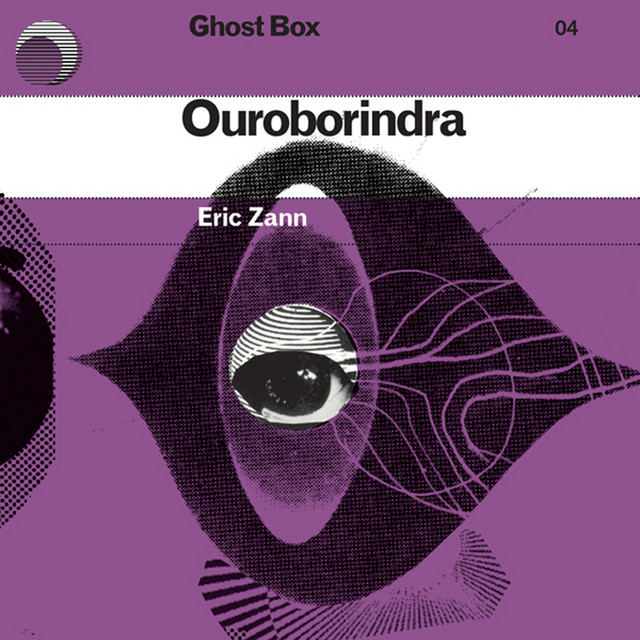
Born in the late 1990s and coalescing in the early 2000s, hauntology grew out of a British scene that mined 1960s-1980s archive sources—library music, TV and film cues, public-domain samples, and warm analog synths—and treated them as spectral leftovers rather than kitsch. The movement found a home on the Ghost Box label, founded by Jim Jupp and Julian House, which became the beating heart of hauntology. Ghost Box releases and associated projects cultivated a distinct visual and sonic vocabulary: dusty, mid-century typography, cabinet-of-curiosities artwork, and sound collages that feel both comforting and disturbing.
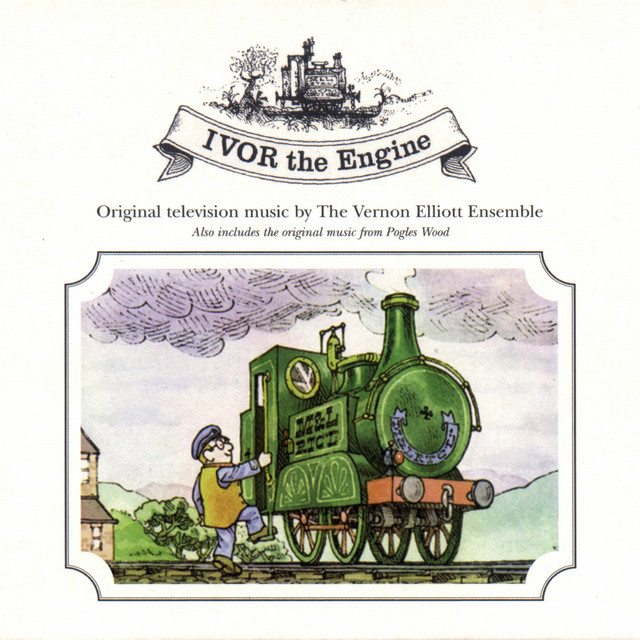
Sonic signature traits include tape hiss and vinyl crackle, warm analogue synths (often Moog or EMS-era sounds), field recordings, and manipulated samples that blur the line between memory and erosion. Tracks tend to move with slow, deliberate momentum, favoring mood over overt drama. The result is music that evokes uncanny scenes: a late-night BBC documentary, a forgotten children’s program, a hallway of a long-closed cinema, or a supermarket aisle that’s somehow haunted. The effect is less nostalgia as easy sentiment and more a meditation on time, obsolescence, and the longing for futures that never came to pass.
Key ambassadors and touchstones of hauntology include:
- Boards of Canada, whose warm, analog-rich, childlike yet somber melodies have become emblematic of the genre’s spectral feel.
- Broadcast, a British duo whose early work fused ethereal vocals, analog textures, and cinematic atmosphere to create a sense of haunted radiophony.
- The Caretaker (Leyland Kirby), whose projects probe memory, decay, and the erosion of identity through samples of ballroom, old records, and drifting ambience.
- Ghost Box-affiliated artists such as The Focus Group and Belbury Poly, whose releases helped define the Ghost Box aesthetic—archival mood, pastoral electronics, and a haunted library-music vibe.
Hauntology has found its strongest currents in the United Kingdom, where its roots run deepest, but it has earned adherents across Europe and North America. It thrives in scenes that value atmosphere, uncertain futures, and the idea that pop culture’s past can be reinterpreted as a ghostly presence rather than mere revival. Journalists and listeners in France, Germany, and beyond have embraced hauntology’s tension between memory and invention, while digital-era listenership connects through streaming and reissues that keep these spectral sounds alive.
For enthusiasts, hauntology offers more than retro charm: it’s a framework for listening that foregrounds absence as a creative force. It invites you to hear the past as a living, evolving presence—where every crackle, every outdated synth patch, and every disquieting sample becomes a doorway to something just beyond reach. If you crave music that feels simultaneously comforting and eerie, warmly analog and critically philosophical, hauntology is a rich, rewarding field to explore.
Born in the late 1990s and coalescing in the early 2000s, hauntology grew out of a British scene that mined 1960s-1980s archive sources—library music, TV and film cues, public-domain samples, and warm analog synths—and treated them as spectral leftovers rather than kitsch. The movement found a home on the Ghost Box label, founded by Jim Jupp and Julian House, which became the beating heart of hauntology. Ghost Box releases and associated projects cultivated a distinct visual and sonic vocabulary: dusty, mid-century typography, cabinet-of-curiosities artwork, and sound collages that feel both comforting and disturbing.
Sonic signature traits include tape hiss and vinyl crackle, warm analogue synths (often Moog or EMS-era sounds), field recordings, and manipulated samples that blur the line between memory and erosion. Tracks tend to move with slow, deliberate momentum, favoring mood over overt drama. The result is music that evokes uncanny scenes: a late-night BBC documentary, a forgotten children’s program, a hallway of a long-closed cinema, or a supermarket aisle that’s somehow haunted. The effect is less nostalgia as easy sentiment and more a meditation on time, obsolescence, and the longing for futures that never came to pass.
Key ambassadors and touchstones of hauntology include:
- Boards of Canada, whose warm, analog-rich, childlike yet somber melodies have become emblematic of the genre’s spectral feel.
- Broadcast, a British duo whose early work fused ethereal vocals, analog textures, and cinematic atmosphere to create a sense of haunted radiophony.
- The Caretaker (Leyland Kirby), whose projects probe memory, decay, and the erosion of identity through samples of ballroom, old records, and drifting ambience.
- Ghost Box-affiliated artists such as The Focus Group and Belbury Poly, whose releases helped define the Ghost Box aesthetic—archival mood, pastoral electronics, and a haunted library-music vibe.
Hauntology has found its strongest currents in the United Kingdom, where its roots run deepest, but it has earned adherents across Europe and North America. It thrives in scenes that value atmosphere, uncertain futures, and the idea that pop culture’s past can be reinterpreted as a ghostly presence rather than mere revival. Journalists and listeners in France, Germany, and beyond have embraced hauntology’s tension between memory and invention, while digital-era listenership connects through streaming and reissues that keep these spectral sounds alive.
For enthusiasts, hauntology offers more than retro charm: it’s a framework for listening that foregrounds absence as a creative force. It invites you to hear the past as a living, evolving presence—where every crackle, every outdated synth patch, and every disquieting sample becomes a doorway to something just beyond reach. If you crave music that feels simultaneously comforting and eerie, warmly analog and critically philosophical, hauntology is a rich, rewarding field to explore.