Genre
hawaiian hip hop
Top Hawaiian hip hop Artists
Showing 25 of 44 artists












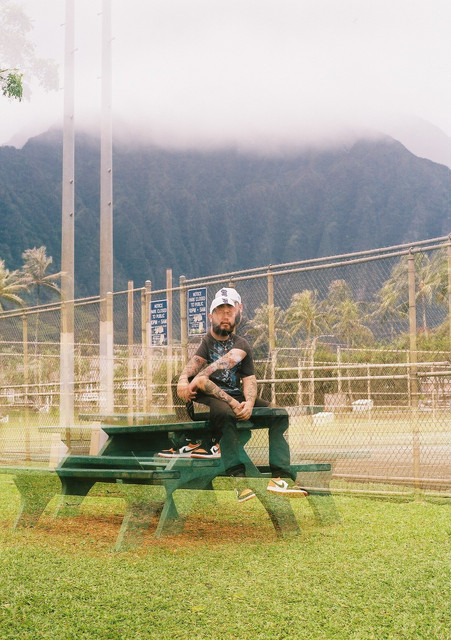
About Hawaiian hip hop
Hawaiian hip hop is a distinctive fusion genre that sits at the crossroads of island culture and urban rhyme, blending Pacific rhythms, Hawaiian language and slang with the cadence and grit of hip hop. It didn’t spring from one moment or one city, but rather grew out of Hawaii’s late-1990s and early-2000s music scenes, where local artists started layering traditional sounds—ukulele, slack-key guitar, pahu drums, and mele-inspired melodies—over drum machines, samples, and sharp rap flows. The result is a sound that feels sunlit and rooted in place yet restless and modern, a reflection of Hawaii’s complex cultural tapestry.
What makes Hawaiian hip hop stand apart is its sonic and linguistic flexibility. Many tracks weave English with Hawaiian and Pidgin (the creole spoken across the islands), giving the music a distinctly local voice that resonates with residents and visitors who recognize the island narratives in the lyrics. Songwriters write about everyday life on Oahu’s windward edges, Maui’s surf culture, or the quiet strength of rural communities, often using island-specific imagery—waves, lava rock, rain, and distant volcanic horizons—alongside universal topics like ambition, hustle, and resilience. Producers experiment with a wide palette, from dusty boom-bap drum kicks to Polynesian percussion loops and tropical percussion textures, creating beats that can sound both club-ready and contemplative.
Historically, Hawaiian hip hop grew from underground crews and small-nightlife venues, aided by community radio, local open mics, and schools where young artists could test ideas outside the mainstream. As the internet expanded, these artists found audiences beyond the islands, collaborating with mainland producers and dancers and drawing appreciation from fans who prized craft and authenticity over flash. The genre’s ambassadors, to the extent that a scene can rally around a handful of recognizable figures, are often described as pioneers and torchbearers—artists who consistently push the sound forward, mentor younger MCs, and represent the island’s voice in broader hip hop conversations. The scene remains deeply local in texture—honoring aloha, local pride, and the region’s multilingual reality—while maintaining a curiosity about global hip hop’s trends.
In terms of reach, Hawaiian hip hop is most popular in Hawaii, where it speaks directly to island life and the Pacific diaspora. It also finds listeners in mainland United States—especially on the West Coast and in places with strong Polynesian communities—along with pockets of attention in Japan and other parts of the Pacific. Fans in these regions often appreciate the genre for its sense of place and its willingness to blend traditional musical cues with streetwise rap storytelling.
For music enthusiasts, Hawaiian hip hop offers a study in cultural fusion: the way language shifts between English, Hawaiian, and Pidgin; the way traditional instruments and Pacific rhythms reappear in contemporary production; and the way local identity informs universal themes like ambition and community. It’s a genre that rewards attentive listening—lyrics that honor place, beats that balance island warmth with urban edge, and a voice that remains proudly rooted in Hawaii’s unique cultural landscape. If you’re exploring Pacific-influenced hip hop, Hawaiian hip hop is a compelling point of entry, a reminder that geography and heritage can shape sound in unapologetic, refreshing ways.
What makes Hawaiian hip hop stand apart is its sonic and linguistic flexibility. Many tracks weave English with Hawaiian and Pidgin (the creole spoken across the islands), giving the music a distinctly local voice that resonates with residents and visitors who recognize the island narratives in the lyrics. Songwriters write about everyday life on Oahu’s windward edges, Maui’s surf culture, or the quiet strength of rural communities, often using island-specific imagery—waves, lava rock, rain, and distant volcanic horizons—alongside universal topics like ambition, hustle, and resilience. Producers experiment with a wide palette, from dusty boom-bap drum kicks to Polynesian percussion loops and tropical percussion textures, creating beats that can sound both club-ready and contemplative.
Historically, Hawaiian hip hop grew from underground crews and small-nightlife venues, aided by community radio, local open mics, and schools where young artists could test ideas outside the mainstream. As the internet expanded, these artists found audiences beyond the islands, collaborating with mainland producers and dancers and drawing appreciation from fans who prized craft and authenticity over flash. The genre’s ambassadors, to the extent that a scene can rally around a handful of recognizable figures, are often described as pioneers and torchbearers—artists who consistently push the sound forward, mentor younger MCs, and represent the island’s voice in broader hip hop conversations. The scene remains deeply local in texture—honoring aloha, local pride, and the region’s multilingual reality—while maintaining a curiosity about global hip hop’s trends.
In terms of reach, Hawaiian hip hop is most popular in Hawaii, where it speaks directly to island life and the Pacific diaspora. It also finds listeners in mainland United States—especially on the West Coast and in places with strong Polynesian communities—along with pockets of attention in Japan and other parts of the Pacific. Fans in these regions often appreciate the genre for its sense of place and its willingness to blend traditional musical cues with streetwise rap storytelling.
For music enthusiasts, Hawaiian hip hop offers a study in cultural fusion: the way language shifts between English, Hawaiian, and Pidgin; the way traditional instruments and Pacific rhythms reappear in contemporary production; and the way local identity informs universal themes like ambition and community. It’s a genre that rewards attentive listening—lyrics that honor place, beats that balance island warmth with urban edge, and a voice that remains proudly rooted in Hawaii’s unique cultural landscape. If you’re exploring Pacific-influenced hip hop, Hawaiian hip hop is a compelling point of entry, a reminder that geography and heritage can shape sound in unapologetic, refreshing ways.