Genre
hawaiian indie
Top Hawaiian indie Artists
Showing 25 of 27 artists


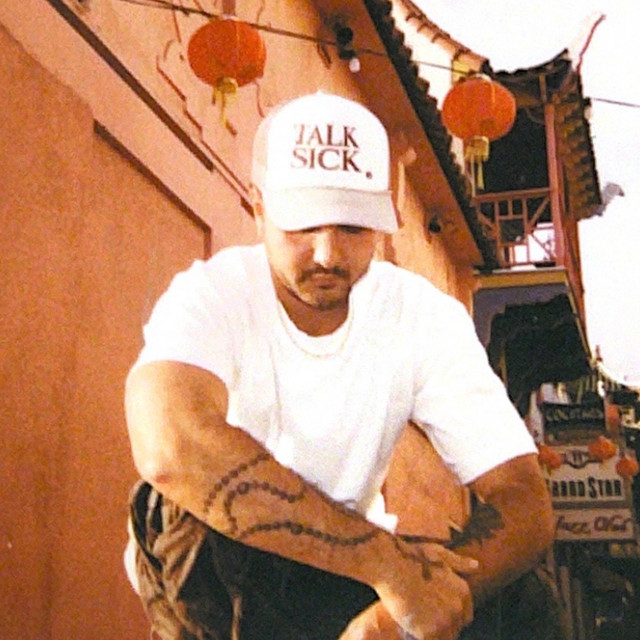


About Hawaiian indie
Hawaiian indie is a loose, ever-evolving label rather than a fixed genre with a formal canon. It describes a wave of music emerging from Hawaii that blends the island’s rich musical language—slack-key guitar, ukulele, lap steel, and Polynesian rhythms—with the sensibilities and textures of indie rock, folk, lo-fi pop, and DIY experimentation. The result is sunlit but intimate: songs that feel both tethered to place and buoyant with possibility, balancing nostalgia for the islands with the restless curiosity of independent music.
Origins and birth of the sound
Hawaii’s musical history runs deep—slack-key guitar (ki ho‘alu) has been a dominant voice since the 19th century, and the archipelago has long absorbed and reinterpreted outside genres—from traditional chants to pop, reggae, and surf rock. Hawaiian indie began to crystallize in the late 2000s and early 2010s as local artists, empowered by the democratization of home recording and online distribution, started to fuse island sensibilities with the global indie sphere. It’s a scene that grew not from a single breakthrough but from a constellation of small venues, DIY studios, and independent labels in Honolulu, Kailua, Lahaina, and beyond. The music often travels across the Pacific and reaches listeners through Bandcamp, streaming services, and intimate live rooms, where a simple acoustic guitar can carry both solitude and a sense of wonder.
What you’ll hear
Hawaiian indie songs frequently foreground melodic, intimate vocals, often delivered with a confession-like clarity. Instrumentation ranges from stripped-down acoustics to lush, reverb-soaked arrangements. You’ll hear ukulele lines trading echoes with electric guitars, slack-key tunings subtly shaping chords in the background, and lap steel or gentle synth textures adding a weathered, dreamlike glow. The production tends toward warmth and immediacy, but indie influences—genre-crossing collabs, experimental loops, and genre-blending songforms—keep the palette adventurous. Lyrically, the material tends to circle themes of place, memory, diaspora, and a reverence for nature, all filtered through a contemporary, self-made ethos.
Key artists and ambassadors
Because Hawaiian indie is as much a mood as a lineup, its ambassadors tend to be voices that clearly bridge the island’s heritage with independent music’s forward-looking ethos. Kawehi stands out as a representative figure: a Honolulu-based artist known for hypnotic, loop-based performances and a DIY approach that embodies the indie spirit while rooted in Pacific sensibilities. Another notable thread comes from musicians who blend traditional Hawaiian textures with modern indie aesthetics—artists who write intimate songs about place, identity, and change while keeping production intimate and personal. While the scene is anchored in Hawaii, its ambassadors often extend their reach to the mainland and international audiences, helping to define what Hawaiian indie sounds like to listeners who may never set foot on the islands.
Where it’s popular
Hawaiian indie is most naturally resonant in Hawaii, where the lineage and imagery run deepest. It also finds appreciators on the West Coast of the United States, where coastal aesthetics, surfing culture, and indie sensibilities intersect. Internationally, Japan and parts of Europe and Australia have shown receptivity to Pacific-infused indie music, especially among listeners drawn to ukulele-led tunes, thoughtful lyricism, and warm, sunlit production. Streaming platforms and the open channels of the internet have accelerated its reach, turning a locally rooted sound into a global conversation about place, memory, and independent creation.
If you’re curious, start with the human-scale recordings that emphasize mood and storytelling: you’ll hear the current of Hawaiian history, the honesty of indie craftsmanship, and a sense of a sound that is both of these islands and of the wider world.
Origins and birth of the sound
Hawaii’s musical history runs deep—slack-key guitar (ki ho‘alu) has been a dominant voice since the 19th century, and the archipelago has long absorbed and reinterpreted outside genres—from traditional chants to pop, reggae, and surf rock. Hawaiian indie began to crystallize in the late 2000s and early 2010s as local artists, empowered by the democratization of home recording and online distribution, started to fuse island sensibilities with the global indie sphere. It’s a scene that grew not from a single breakthrough but from a constellation of small venues, DIY studios, and independent labels in Honolulu, Kailua, Lahaina, and beyond. The music often travels across the Pacific and reaches listeners through Bandcamp, streaming services, and intimate live rooms, where a simple acoustic guitar can carry both solitude and a sense of wonder.
What you’ll hear
Hawaiian indie songs frequently foreground melodic, intimate vocals, often delivered with a confession-like clarity. Instrumentation ranges from stripped-down acoustics to lush, reverb-soaked arrangements. You’ll hear ukulele lines trading echoes with electric guitars, slack-key tunings subtly shaping chords in the background, and lap steel or gentle synth textures adding a weathered, dreamlike glow. The production tends toward warmth and immediacy, but indie influences—genre-crossing collabs, experimental loops, and genre-blending songforms—keep the palette adventurous. Lyrically, the material tends to circle themes of place, memory, diaspora, and a reverence for nature, all filtered through a contemporary, self-made ethos.
Key artists and ambassadors
Because Hawaiian indie is as much a mood as a lineup, its ambassadors tend to be voices that clearly bridge the island’s heritage with independent music’s forward-looking ethos. Kawehi stands out as a representative figure: a Honolulu-based artist known for hypnotic, loop-based performances and a DIY approach that embodies the indie spirit while rooted in Pacific sensibilities. Another notable thread comes from musicians who blend traditional Hawaiian textures with modern indie aesthetics—artists who write intimate songs about place, identity, and change while keeping production intimate and personal. While the scene is anchored in Hawaii, its ambassadors often extend their reach to the mainland and international audiences, helping to define what Hawaiian indie sounds like to listeners who may never set foot on the islands.
Where it’s popular
Hawaiian indie is most naturally resonant in Hawaii, where the lineage and imagery run deepest. It also finds appreciators on the West Coast of the United States, where coastal aesthetics, surfing culture, and indie sensibilities intersect. Internationally, Japan and parts of Europe and Australia have shown receptivity to Pacific-infused indie music, especially among listeners drawn to ukulele-led tunes, thoughtful lyricism, and warm, sunlit production. Streaming platforms and the open channels of the internet have accelerated its reach, turning a locally rooted sound into a global conversation about place, memory, and independent creation.
If you’re curious, start with the human-scale recordings that emphasize mood and storytelling: you’ll hear the current of Hawaiian history, the honesty of indie craftsmanship, and a sense of a sound that is both of these islands and of the wider world.