Genre
heartland rock
Top Heartland rock Artists
Showing 18 of 18 artists

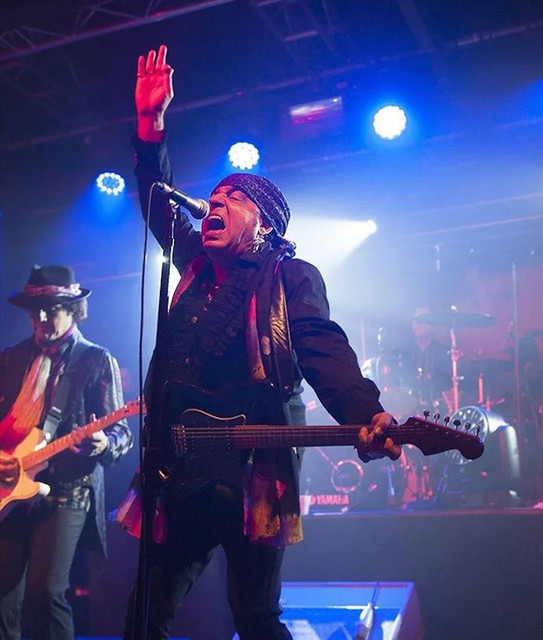


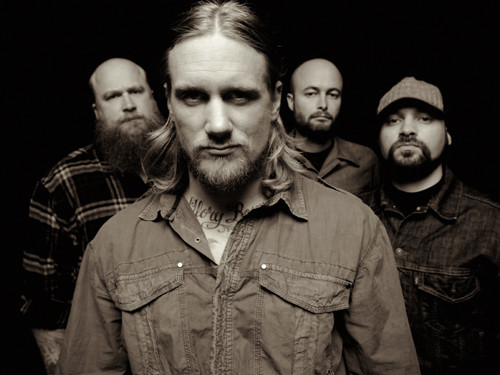

About Heartland rock
Heartland rock is a sturdy, guitar-driven strand of American rock that crystallized in the late 1960s and came into sharper focus through the 70s and 80s. It’s defined less by flashy experimentation than by dependable melodies, plainspoken storytelling, and a rooted sense of place. The heartbeat of the genre is the American landscape—cornfields, highways, steel towns, the dining room table conversations that shape a life. Musically, heartland rock borrows from blues, country, and classic rock, weaving them into songs that feel both intimate and anthemic.
Though its roots are debated, most critics point to Michigan’s Bob Seger and Illinois/Indiana–area acts as early torchbearers, and to New Jersey’s Bruce Springsteen as the archetype who turned the sound into a national statement. The movement truly gained momentum in the 1980s, with John Mellencamp, Tom Petty, and their peers delivering records that sold in the millions while addressing workers' pride, economic anxiety, and everyday resilience. The term heartland rock was popularized by critics to describe this emphasis on ordinary lives set against a robust, four-on-the-floor rock framework.
Key ambassadors include Bruce Springsteen, whose narratives of blue-collar New Jersey, the road, and small-town longing set a template; John Mellencamp, who celebrated Midwestern life with a feisty, rootsy energy; Bob Seger, with a heavier, more universal American road music; and Tom Petty, whose anthemic tunes and tight hooks bridged Southern roots with mainstream rock. Others associated with the sound—like the E Street Band, the Silver Bullet Band, and lite Americana acts—expanded the palette but kept the core sensibility intact: songs that feel earned, not manufactured, and choruses you can sing along to in the car.
Sonically, heartland rock favors sturdy guitar riffs, memorable melodies, and a direct emotional line between singer and listener. There’s space for piano, harmonica, and occasional organ swells, but the emphasis remains on sturdy arrangements, clear storytelling, and a sense of momentum. The lyrics often foreground work, family, small-town routines, and the fleeting magic of ordinary moments, tempered by a social conscience and a wry, sometimes weathered humor. It’s music that wants to be played loud on a sunlit highway or in a dim club after a long day.
In terms of geography and audience, heartland rock is most closely associated with the United States, especially the Midwest and Rust Belt, where industrial decline and population shifts fed its narrative hunger. It also found sympathetic listeners in Canada, the United Kingdom, and parts of Europe, where fans connected with the universal appeal of working-class optimism and American storytelling. The genre’s influence endures in contemporary Americana and mainstream rock, and its ambassadors still tour as living embodiments of a sound that remains defiantly optimistic, unpretentiously American, and forever rooted in the heartbeat of everyday life. For listeners, heartland rock offers a bridge between intimate confession and stadium-sized release. It invites you to roll down the windows, drive through open highways, and hear your own town’s memory echoed in a chorus you can trust. It remains a distinctly American kind of pride today.
Though its roots are debated, most critics point to Michigan’s Bob Seger and Illinois/Indiana–area acts as early torchbearers, and to New Jersey’s Bruce Springsteen as the archetype who turned the sound into a national statement. The movement truly gained momentum in the 1980s, with John Mellencamp, Tom Petty, and their peers delivering records that sold in the millions while addressing workers' pride, economic anxiety, and everyday resilience. The term heartland rock was popularized by critics to describe this emphasis on ordinary lives set against a robust, four-on-the-floor rock framework.
Key ambassadors include Bruce Springsteen, whose narratives of blue-collar New Jersey, the road, and small-town longing set a template; John Mellencamp, who celebrated Midwestern life with a feisty, rootsy energy; Bob Seger, with a heavier, more universal American road music; and Tom Petty, whose anthemic tunes and tight hooks bridged Southern roots with mainstream rock. Others associated with the sound—like the E Street Band, the Silver Bullet Band, and lite Americana acts—expanded the palette but kept the core sensibility intact: songs that feel earned, not manufactured, and choruses you can sing along to in the car.
Sonically, heartland rock favors sturdy guitar riffs, memorable melodies, and a direct emotional line between singer and listener. There’s space for piano, harmonica, and occasional organ swells, but the emphasis remains on sturdy arrangements, clear storytelling, and a sense of momentum. The lyrics often foreground work, family, small-town routines, and the fleeting magic of ordinary moments, tempered by a social conscience and a wry, sometimes weathered humor. It’s music that wants to be played loud on a sunlit highway or in a dim club after a long day.
In terms of geography and audience, heartland rock is most closely associated with the United States, especially the Midwest and Rust Belt, where industrial decline and population shifts fed its narrative hunger. It also found sympathetic listeners in Canada, the United Kingdom, and parts of Europe, where fans connected with the universal appeal of working-class optimism and American storytelling. The genre’s influence endures in contemporary Americana and mainstream rock, and its ambassadors still tour as living embodiments of a sound that remains defiantly optimistic, unpretentiously American, and forever rooted in the heartbeat of everyday life. For listeners, heartland rock offers a bridge between intimate confession and stadium-sized release. It invites you to roll down the windows, drive through open highways, and hear your own town’s memory echoed in a chorus you can trust. It remains a distinctly American kind of pride today.