Genre
heavy metal
Top Heavy metal Artists
Showing 25 of 1,320 artists





About Heavy metal
Heavy metal is a loud, muscular form of rock music built on down-tuned guitars, thunderous drums, and vocals delivered with power and swagger. It crystallized in the late 1960s and early 1970s, born from blues-rock and hard rock but quickly developing its own identity—as a louder, more aggressive, and more theatrical cousin of rock. The scene coalesced in Britain and the United States, with Birmingham often cited as the cradle of the sound and with bands on both sides of the Atlantic pushing the boundaries of volume, speed, and mood.
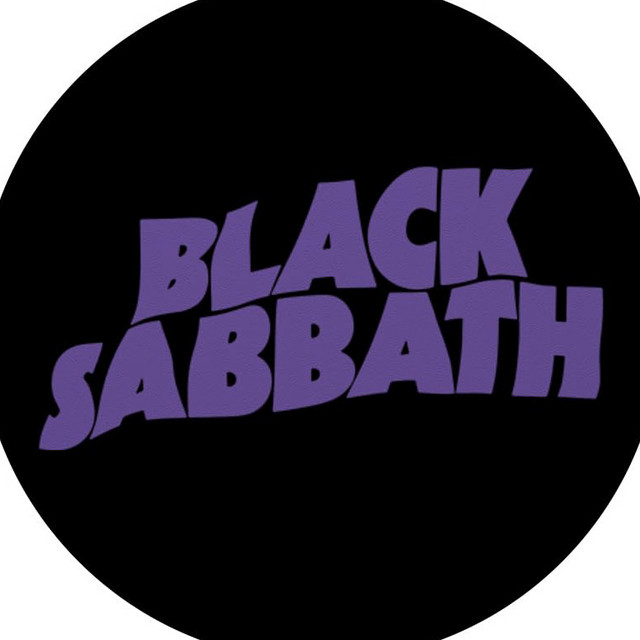
If you listen for the signature, you hear Tony Iommi’s riff-driven guitar work in Black Sabbath, whose self-titled debut (1970) and the follow-up Paranoid (1970) defined the template: heavy, down-tuned guitars; stinging, insistent bass lines; and drums that pound with unrelenting momentum. From that foundation, the genre grew to include a broader range of tones and atmospheres: the doom-soaked tragedy of bands like Candlemass and Pentagram; the swaggering, anthem-like push of early Judas Priest; the epic storytelling and technical prowess of Iron Maiden; and the virtuosic solos and dual-guitar fireworks that would become a calling card for many metal subcultures.
Metal’s voice has always ranged from the roaring to the operatic, but it shares a commitment to intensity and a theatrical edge. The lyrics have explored myth and fantasy, rebellion and personal struggle, sometimes flirting with occult imagery, sometimes turning toward social critique. The stage presentation—leather and denim, spikes and pyro, larger-than-life personas—became part of the music’s currency, turning concerts into ritual-like events.
Ambassadors from the early days include Black Sabbath, Deep Purple, and Led Zeppelin, whose heavy riffs and expansive ambitions helped shape metal’s vocabulary. In the 1980s, the upward arc continued with Judas Priest refining the formula for metal’s mainstream acceptance, while the United States birthed thrash metal—Metallica, Megadeth, Slayer, and Anthrax—pushing tempo and aggression to new extremes. Across Europe, bands like Helloween, Blind Guardian, and later Nightwish and Rhapsody expanded metal’s melodic and symphonic horizons. Metal’s subgenres proliferated: traditional heavy metal, thrash, power, doom, death, black metal, and many hybrids.
Geographically, metal found its strongest roots in the United States, the United Kingdom, and Northern Europe, with a thriving festival circuit and clubs that keep the music alive year after year. Germany’s Wacken Open Air became a global touchstone, while Sweden and Norway developed robust scenes that fed into both power and extreme metal streams worldwide. Japan, Brazil, and parts of Latin America also established passionate, dedicated communities.
For enthusiasts, heavy metal is more than a sound. It’s a culture built on intricate guitar craft, high-energy performance, album-length journeys, and a mindset of pushing through limits—sonically, lyrically, and socially. It remains a living, evolving conversation among musicians and fans who keep the flame of heaviness burning forward.
If you listen for the signature, you hear Tony Iommi’s riff-driven guitar work in Black Sabbath, whose self-titled debut (1970) and the follow-up Paranoid (1970) defined the template: heavy, down-tuned guitars; stinging, insistent bass lines; and drums that pound with unrelenting momentum. From that foundation, the genre grew to include a broader range of tones and atmospheres: the doom-soaked tragedy of bands like Candlemass and Pentagram; the swaggering, anthem-like push of early Judas Priest; the epic storytelling and technical prowess of Iron Maiden; and the virtuosic solos and dual-guitar fireworks that would become a calling card for many metal subcultures.
Metal’s voice has always ranged from the roaring to the operatic, but it shares a commitment to intensity and a theatrical edge. The lyrics have explored myth and fantasy, rebellion and personal struggle, sometimes flirting with occult imagery, sometimes turning toward social critique. The stage presentation—leather and denim, spikes and pyro, larger-than-life personas—became part of the music’s currency, turning concerts into ritual-like events.
Ambassadors from the early days include Black Sabbath, Deep Purple, and Led Zeppelin, whose heavy riffs and expansive ambitions helped shape metal’s vocabulary. In the 1980s, the upward arc continued with Judas Priest refining the formula for metal’s mainstream acceptance, while the United States birthed thrash metal—Metallica, Megadeth, Slayer, and Anthrax—pushing tempo and aggression to new extremes. Across Europe, bands like Helloween, Blind Guardian, and later Nightwish and Rhapsody expanded metal’s melodic and symphonic horizons. Metal’s subgenres proliferated: traditional heavy metal, thrash, power, doom, death, black metal, and many hybrids.
Geographically, metal found its strongest roots in the United States, the United Kingdom, and Northern Europe, with a thriving festival circuit and clubs that keep the music alive year after year. Germany’s Wacken Open Air became a global touchstone, while Sweden and Norway developed robust scenes that fed into both power and extreme metal streams worldwide. Japan, Brazil, and parts of Latin America also established passionate, dedicated communities.
For enthusiasts, heavy metal is more than a sound. It’s a culture built on intricate guitar craft, high-energy performance, album-length journeys, and a mindset of pushing through limits—sonically, lyrically, and socially. It remains a living, evolving conversation among musicians and fans who keep the flame of heaviness burning forward.