Genre
hindi hip hop
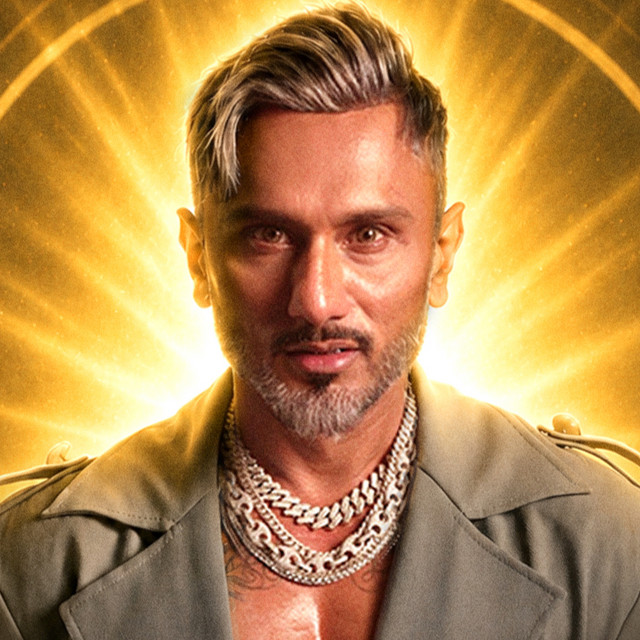
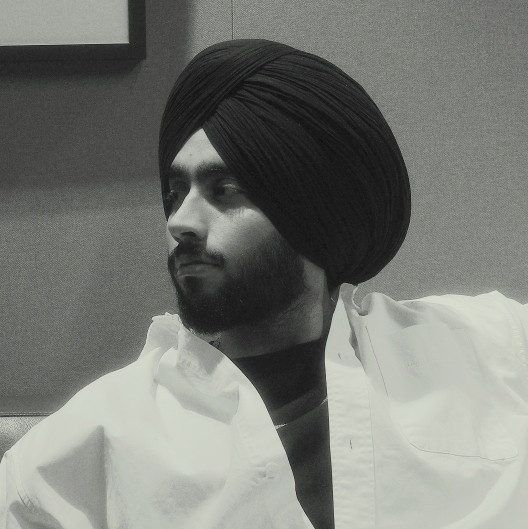
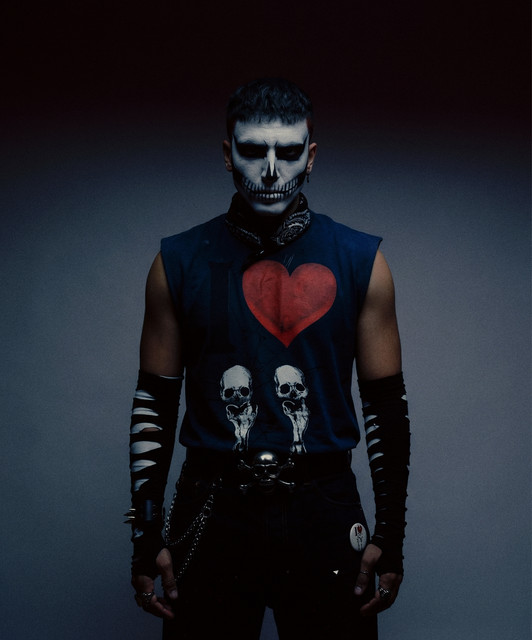
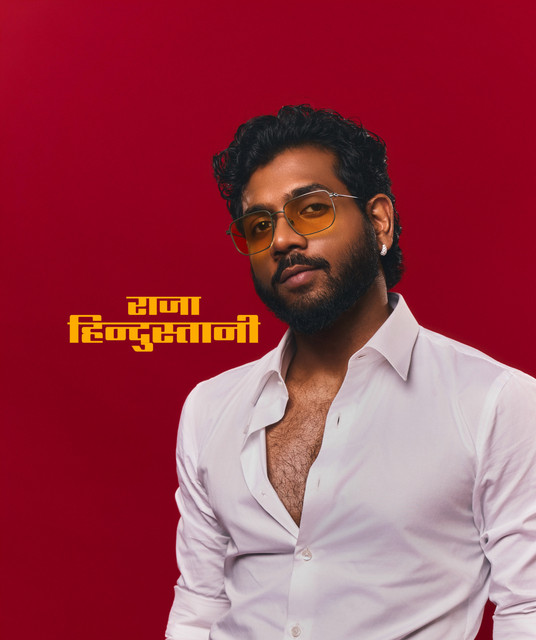
Top Hindi hip hop Artists
Showing 25 of 1,024 artists




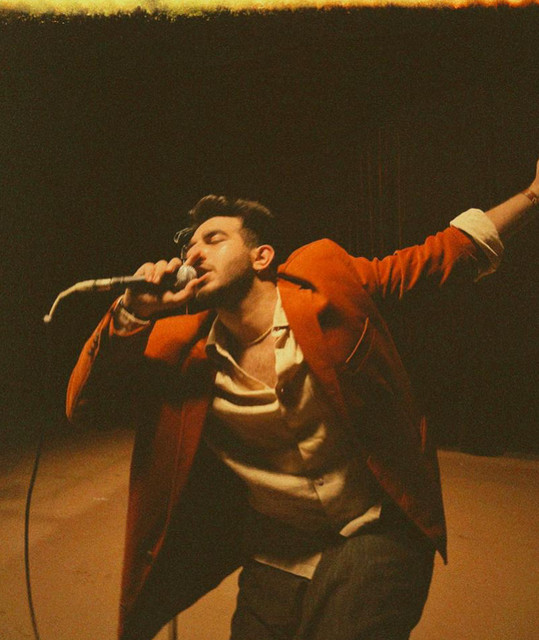
About Hindi hip hop
Hindi hip hop is a vibrant strand of Indian hip hop that blends Hindi and Hinglish rhymes with the swagger and rhythm of global rap, while drawing on Indian melodic textures, folk motifs, and Bollywood-inflected production. It emerged in the late 1990s and began to crystallize through the 2000s, growing from a largely underground scene in cities like Mumbai and Delhi into a mainstream force that speaks to a new urban generation. The scene thrives on storytelling—often gritty, intimate, and social—delivering a distinct Indian sensibility within a global genre.
The birth of Hindi rap in its recognizable form can be traced to early pioneers who brought language, local streets, and humor into the mic. Baba Sehgal is widely regarded as one of the first Indian artists to popularize Hindi rap in the commercial sphere during the 1990s, setting a template for catchy hooks, bilingual punchlines, and a playful persona. As the internet and mobile platforms grew, a new wave of artists emerged who anchored the sound in authentic urban experiences rather than novelty. By the 2010s, the genre found a bridge to mass audiences through collaborations with mainstream music and film, while continuing to nurture fiercely independent creators.
Today, Hindi hip hop is often identified by a handful of marquee ambassadors who helped push the scene onto the global stage. Yo Yo Honey Singh popularized Hindi-rap-infused pop with high-energy club anthems and cross-genre collaborations, bringing rap to mainstream cine-goers and radio listeners. Badshah followed with party-focused hits and a prolific online presence, further blurring the lines between hip hop, pop, and Bollywood. On the more underground and authentic end of the spectrum, Naiman Naezy and Divine (the Mumbai duo behind the rise of street rap) became widely recognized for their sharp social commentary and impressive storytelling, culminating in the film Gully Boy (2019), which showcased a thriving street-rap ecosystem to global audiences. Raftaar, Emiway Bantai, and other artists have continued to diversify the sonic palate—blending trap, drum patterns, Punjabi cadences, and regional inflections into a distinctly Indian flavor.
Musically, Hindi hip hop embraces a wide palette: hard-hitting 808-driven beats, adaptive tempos, and collaborations with Bollywood composers; it often features Hindi, Hinglish, and regional phrases, with lyrics addressing everything from urban aspiration and street life to social and political observations. The genre frequently borrows from Indian classical, folk, bhangra, and filmi music to create a hybrid sound that feels both contemporary and deeply rooted.
Geographically, Hindi hip hop’s strongest base remains India, particularly urban centers where youth culture thrives. It has also found receptive audiences in the Indian diaspora across the United Kingdom, Canada, and the United States, as well as in markets with large South Asian communities such as the UAE, Australia, Singapore, and Malaysia. The genre’s global reach has been accelerated by streaming platforms, multilingual collaborations, and notable cinematic releases that translate local experiences into universal storytelling. For music enthusiasts, Hindi hip hop offers a compelling fusion of lyricism, culture, and rhythm—an evolving narrative of a nation finding its own global voice.
The birth of Hindi rap in its recognizable form can be traced to early pioneers who brought language, local streets, and humor into the mic. Baba Sehgal is widely regarded as one of the first Indian artists to popularize Hindi rap in the commercial sphere during the 1990s, setting a template for catchy hooks, bilingual punchlines, and a playful persona. As the internet and mobile platforms grew, a new wave of artists emerged who anchored the sound in authentic urban experiences rather than novelty. By the 2010s, the genre found a bridge to mass audiences through collaborations with mainstream music and film, while continuing to nurture fiercely independent creators.
Today, Hindi hip hop is often identified by a handful of marquee ambassadors who helped push the scene onto the global stage. Yo Yo Honey Singh popularized Hindi-rap-infused pop with high-energy club anthems and cross-genre collaborations, bringing rap to mainstream cine-goers and radio listeners. Badshah followed with party-focused hits and a prolific online presence, further blurring the lines between hip hop, pop, and Bollywood. On the more underground and authentic end of the spectrum, Naiman Naezy and Divine (the Mumbai duo behind the rise of street rap) became widely recognized for their sharp social commentary and impressive storytelling, culminating in the film Gully Boy (2019), which showcased a thriving street-rap ecosystem to global audiences. Raftaar, Emiway Bantai, and other artists have continued to diversify the sonic palate—blending trap, drum patterns, Punjabi cadences, and regional inflections into a distinctly Indian flavor.
Musically, Hindi hip hop embraces a wide palette: hard-hitting 808-driven beats, adaptive tempos, and collaborations with Bollywood composers; it often features Hindi, Hinglish, and regional phrases, with lyrics addressing everything from urban aspiration and street life to social and political observations. The genre frequently borrows from Indian classical, folk, bhangra, and filmi music to create a hybrid sound that feels both contemporary and deeply rooted.
Geographically, Hindi hip hop’s strongest base remains India, particularly urban centers where youth culture thrives. It has also found receptive audiences in the Indian diaspora across the United Kingdom, Canada, and the United States, as well as in markets with large South Asian communities such as the UAE, Australia, Singapore, and Malaysia. The genre’s global reach has been accelerated by streaming platforms, multilingual collaborations, and notable cinematic releases that translate local experiences into universal storytelling. For music enthusiasts, Hindi hip hop offers a compelling fusion of lyricism, culture, and rhythm—an evolving narrative of a nation finding its own global voice.