Genre
hindustani classical
Top Hindustani classical Artists
Showing 25 of 38 artists

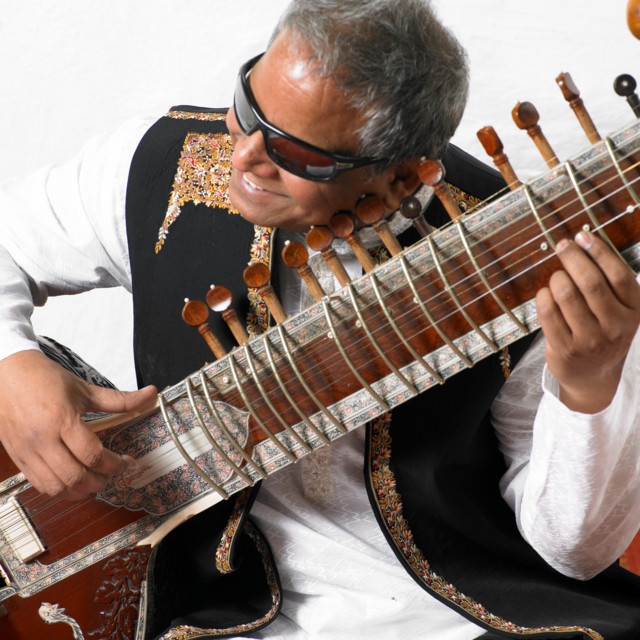
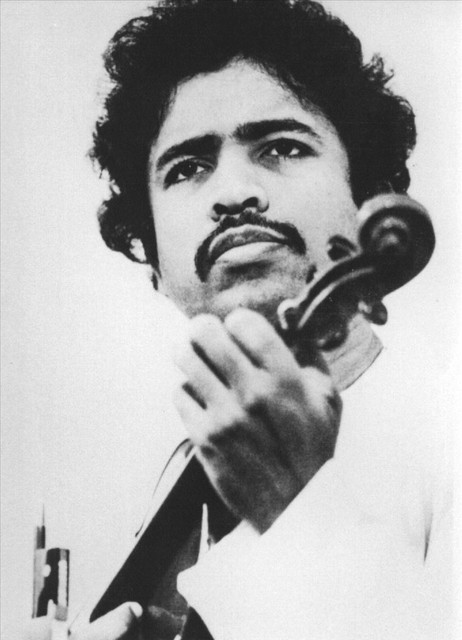
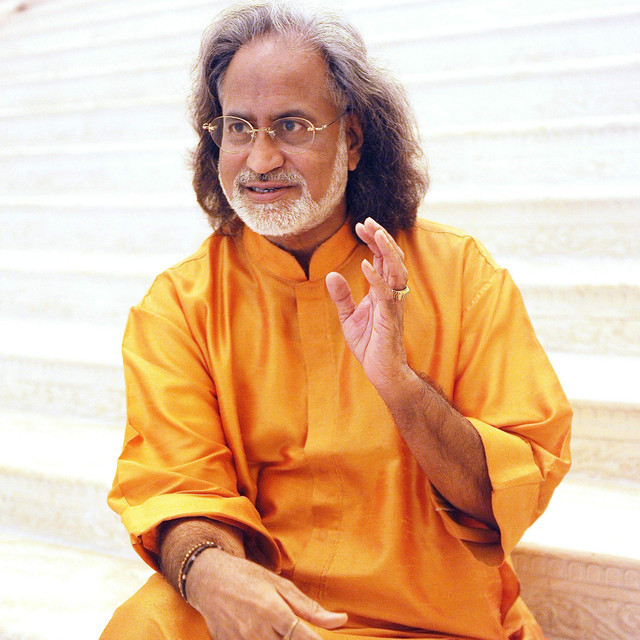

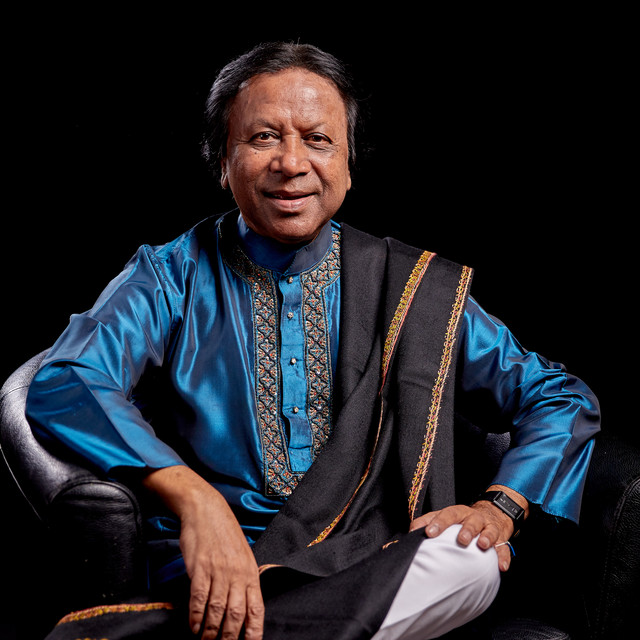




About Hindustani classical
Hindustani classical music is the North Indian strand of a long, raga-based tradition that treats melody as a living, unfolding moment. It emerged from a synthesis of ancient Indian musical practices with courtly, Persianate, and regional influences during the medieval and early modern periods. By the time of the Mughal empire, a sophisticated canvass for improvisation and melodic exploration had formed, and the name Hindustani began to distinguish this North Indian form from its South Indian counterpart, Carnatic music. A legendary figure in its lore is Tansen, the 16th‑century musician said to have redefined melodic grammar in the court of Akbar. While Tansen anchors myth and memory, the real evolution happened through centuries of refinement, especially in the realms of Dhrupad (the oldest sung tradition) and Khayal (the more flexible, imagination-friendly style that dominates today).
Core to Hindustani performance is the raga system—a framework for melodic mood, time of day or season, and a horizon of phrases. A performance typically begins with alap, an unmetered, explorative meditation on a chosen raga, followed by more rhythmic and faster sections like jor and taan, and then the composition or bandish set to tala (rhythmic cycle). Instrumental and vocal music share the same language, but every performer emphasizes different aspects: some favor expansive, meditative breathing and elastic microtonal nuances; others explore rapid, virtuosic taans and pyrotechnic improvisation. The tanpura provides a continuous drone, and percussion (tabla or pakhawaj) marks the cycle, driving the music through intricate rhythmic forays.
Gharanas, or stylistic schools, have shaped Hindustani classical aesthetics. The Gwalior gharana preserved a clear, melodic line and strong, straightforward pedagogy in the 19th century. The Kirana gharana is renowned for its slow, elongated melodic development and precise intonation. The Jaipur–Atrauli gharana is celebrated for its complex ragas and nuanced melodic choices. The Agra gharana emphasizes dramatic and bold phrasing within robust rhythmic structures. Each gharana contributes a distinct voice, yet all honor the essential balance between mood (rasa) and immaculate technique.
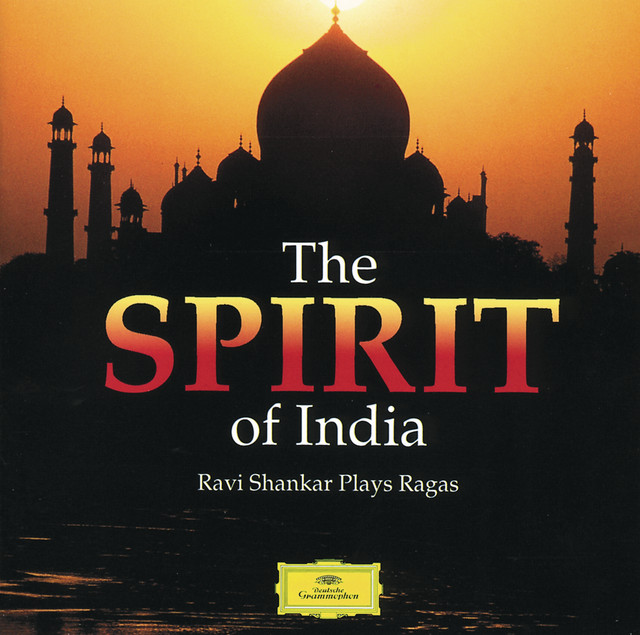
Some of the genre’s most influential ambassadors are widely recognized beyond India. Pandit Ravi Shankar popularized Indian classical music on the global stage through his sitar virtuosity and collaborations; tabla maestro Zakir Hussain has brought virtuosic percussion into expansive cross-cultural projects; vocal legends such as Pandit Bhimsen Joshi and Pandit Jasraj popularized Hindustani song through powerful, emotive voices; Kishori Amonkar and other great vocalists have deepened the expressive range of melody. Instrumental luminaries include Ustad Ali Akbar Khan (sarod) and Ustad Amjad Ali Khan (sarod), who expanded the instrument’s repertoire and international appeal. Contemporary vocalists like Rashid Khan continue to push the tradition forward, blending tradition with modern sensibilities.
Hindustani classical music remains most deeply rooted in the Indian subcontinent, where traditional hubs—cultural cities, temples, and concert venues in India, Pakistan, and neighboring regions—nurture its forms. It travels widely through the Indian diaspora, with enthusiastic reception in the United States, the United Kingdom, Canada, Europe, Australia, and the Gulf, where concerts, teaching, and festivals introduce new listeners to its contemplative, improvisational beauty. For enthusiasts, it offers a living dialogue between ancient discipline and personal expression, a timeless conversation conducted in raga and rhythm.
Core to Hindustani performance is the raga system—a framework for melodic mood, time of day or season, and a horizon of phrases. A performance typically begins with alap, an unmetered, explorative meditation on a chosen raga, followed by more rhythmic and faster sections like jor and taan, and then the composition or bandish set to tala (rhythmic cycle). Instrumental and vocal music share the same language, but every performer emphasizes different aspects: some favor expansive, meditative breathing and elastic microtonal nuances; others explore rapid, virtuosic taans and pyrotechnic improvisation. The tanpura provides a continuous drone, and percussion (tabla or pakhawaj) marks the cycle, driving the music through intricate rhythmic forays.
Gharanas, or stylistic schools, have shaped Hindustani classical aesthetics. The Gwalior gharana preserved a clear, melodic line and strong, straightforward pedagogy in the 19th century. The Kirana gharana is renowned for its slow, elongated melodic development and precise intonation. The Jaipur–Atrauli gharana is celebrated for its complex ragas and nuanced melodic choices. The Agra gharana emphasizes dramatic and bold phrasing within robust rhythmic structures. Each gharana contributes a distinct voice, yet all honor the essential balance between mood (rasa) and immaculate technique.
Some of the genre’s most influential ambassadors are widely recognized beyond India. Pandit Ravi Shankar popularized Indian classical music on the global stage through his sitar virtuosity and collaborations; tabla maestro Zakir Hussain has brought virtuosic percussion into expansive cross-cultural projects; vocal legends such as Pandit Bhimsen Joshi and Pandit Jasraj popularized Hindustani song through powerful, emotive voices; Kishori Amonkar and other great vocalists have deepened the expressive range of melody. Instrumental luminaries include Ustad Ali Akbar Khan (sarod) and Ustad Amjad Ali Khan (sarod), who expanded the instrument’s repertoire and international appeal. Contemporary vocalists like Rashid Khan continue to push the tradition forward, blending tradition with modern sensibilities.
Hindustani classical music remains most deeply rooted in the Indian subcontinent, where traditional hubs—cultural cities, temples, and concert venues in India, Pakistan, and neighboring regions—nurture its forms. It travels widely through the Indian diaspora, with enthusiastic reception in the United States, the United Kingdom, Canada, Europe, Australia, and the Gulf, where concerts, teaching, and festivals introduce new listeners to its contemplative, improvisational beauty. For enthusiasts, it offers a living dialogue between ancient discipline and personal expression, a timeless conversation conducted in raga and rhythm.