Genre
hindustani instrumental
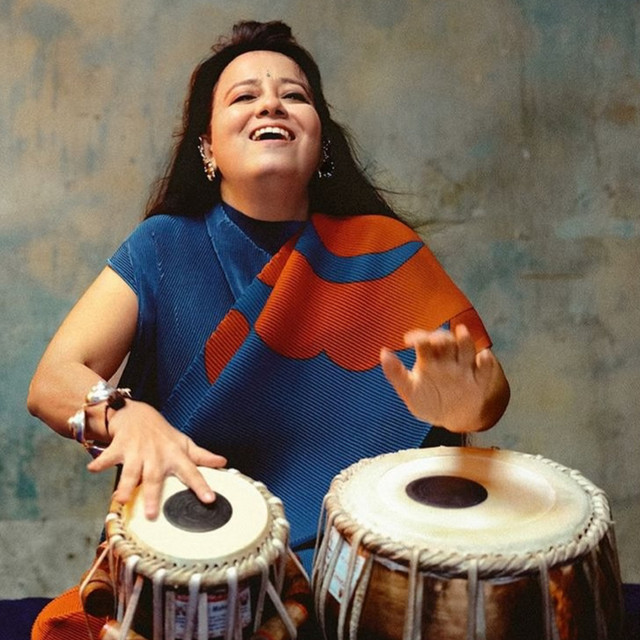
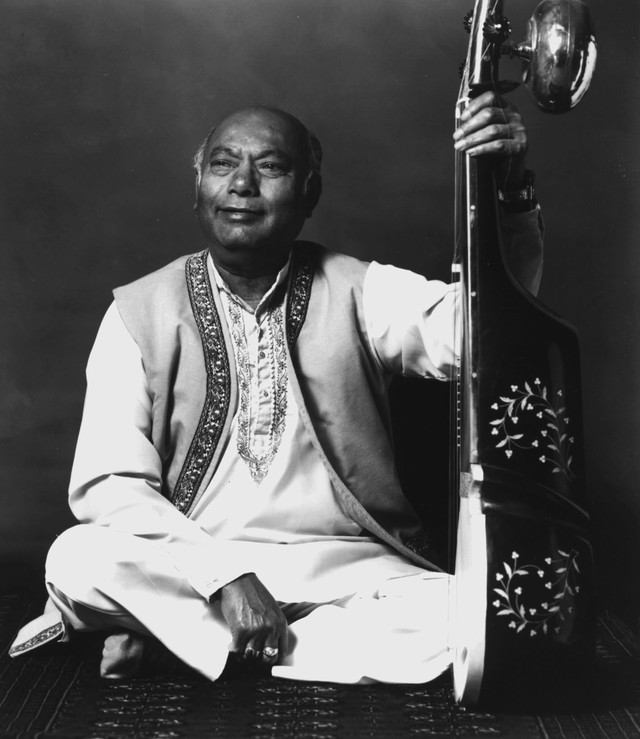
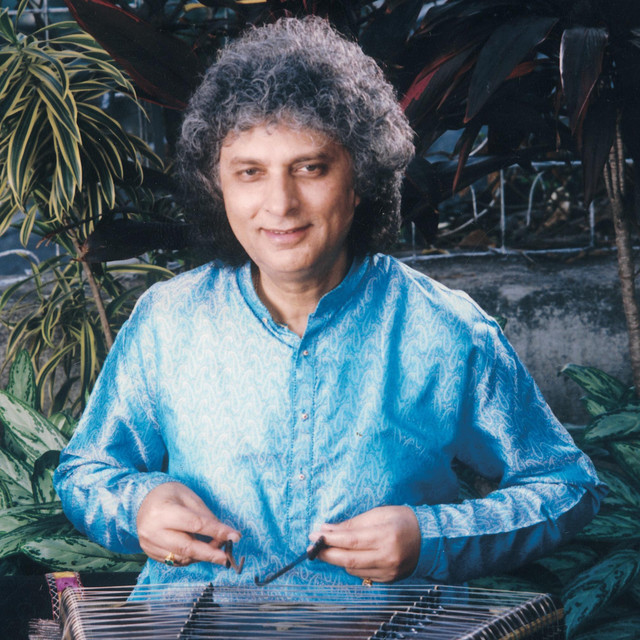
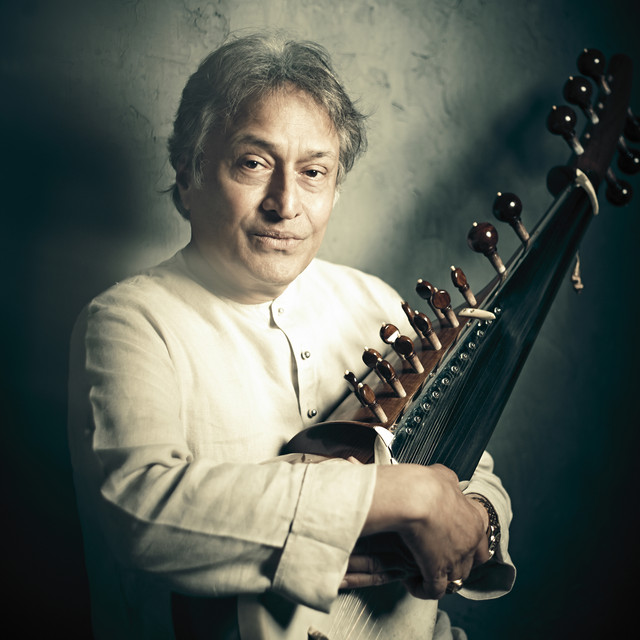
Top Hindustani instrumental Artists
Showing 25 of 37 artists








About Hindustani instrumental
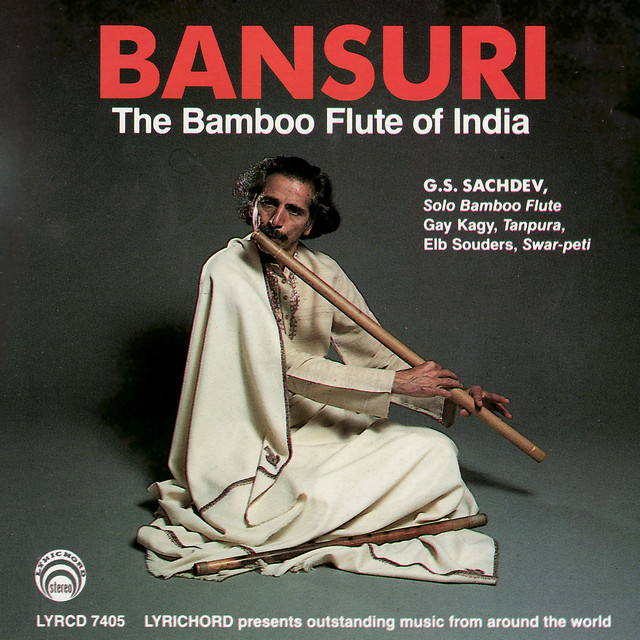
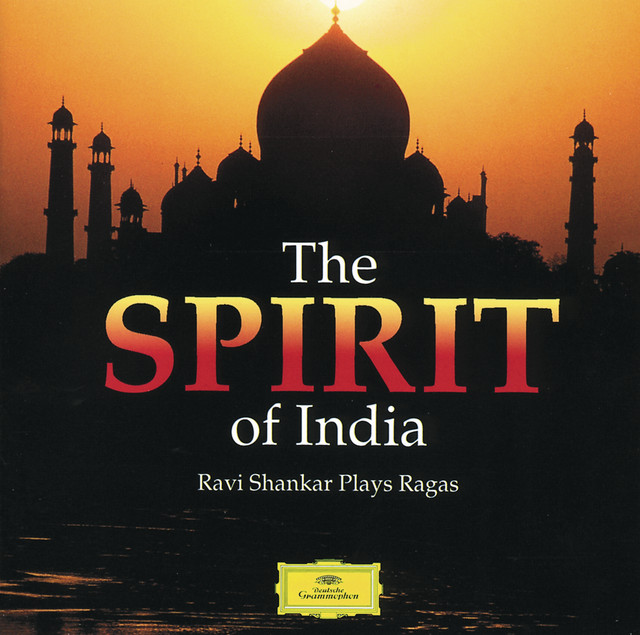
Hindustani instrumental is the North Indian branch of Hindustani classical music centered on raga-based improvisation performed on melodic instruments such as sitar, sarod, bansuri (flute), sarangi, and violin, with the tanpura providing drone and tabla or pakhawaj marking the rhythm. Rather than fixed melodies, performances unfold as exploratory conversations in mood and color, where timing, microtones, and breathing space define the music as much as note choices. This lineage invites listeners to hear how a single ragas’ mood can bloom differently in timbre, touch, and phrasing across instruments.
Its birth and development lie in a long musical continuum. Hindustani instrumental practice grew out of ancient Indian musical traditions and was profoundly shaped in the medieval and early modern eras by Persian and Central Asian influences at the Mughal courts. The earlier vocal genre dhrupad anchored the aesthetic, while khayal—an increasingly flexible, improvisatory form—transformed how musicians approached ragas. By the 18th and 19th centuries, virtuosi began developing a concert idiom in which instrumental voices could stand as equal partners to vocal performance, giving rise to the distinctive Hindustani instrumental idiom we recognize today.
Key figures and ambassadors of the genre span generations and instruments. On the sitar, Pandit Ravi Shankar popularized Hindustani music worldwide in the 1950s–70s, helping audiences connect with raga through a cosmopolitan lens. Vilayat Khan, another towering sitar master, was renowned for a vocal-like approach known as gayaki ang, a hallmark of the Imdadkhani gharana. Nikhil Banerjee carried the sitar forward with a deep, introspective voice. The sarod gained iconic status through Ali Akbar Khan and his son Alam Khan, while Pandit Amjad Ali Khan elevated the sarod across continents. In the flute tradition, Pandit Hariprasad Chaurasia brought bansuri timbres into the spotlight with a serene, expressive idiom. The santoor rose to prominence through Pandit Shivkumar Sharma, whose shimmering, gliding lines helped redefine the instrument in a Hindustani context. The sarangi, often imagined as a “veena of the human voice,” found modern champions in players like Ram Narayan, who popularized the instrument as a primary solo voice.
Instrumental Hindustani music also thrives through distinct lineages or gharanas, such as the Imdadkhani gharana (sitar and vocal-inspired playing), and the Maihar tradition (associated with Ravi Shankar and Ali Akbar Khan) that emphasized a refined, improvisational approach to ragas. Each lineage contributes its own climate of tone, technique, and phrasing while sharing a common reverence for ragas, tempo cycles (taal), and the intimate dialogue between performer and audience.
Today, Hindustani instrumental music remains most vibrant in India and Pakistan, with Bangladesh and Nepal hosting important concert scenes as well. It travels with the Indian diaspora to the United States, United Kingdom, Canada, parts of Europe, Australia, and the Gulf, where festivals, conservatories, and cross-cultural collaborations keep the tradition dynamic. For a music enthusiast, this genre offers the thrill of a living tradition—where a single improvisation can reveal innumerable moods, colors, and stories in real time.
Its birth and development lie in a long musical continuum. Hindustani instrumental practice grew out of ancient Indian musical traditions and was profoundly shaped in the medieval and early modern eras by Persian and Central Asian influences at the Mughal courts. The earlier vocal genre dhrupad anchored the aesthetic, while khayal—an increasingly flexible, improvisatory form—transformed how musicians approached ragas. By the 18th and 19th centuries, virtuosi began developing a concert idiom in which instrumental voices could stand as equal partners to vocal performance, giving rise to the distinctive Hindustani instrumental idiom we recognize today.
Key figures and ambassadors of the genre span generations and instruments. On the sitar, Pandit Ravi Shankar popularized Hindustani music worldwide in the 1950s–70s, helping audiences connect with raga through a cosmopolitan lens. Vilayat Khan, another towering sitar master, was renowned for a vocal-like approach known as gayaki ang, a hallmark of the Imdadkhani gharana. Nikhil Banerjee carried the sitar forward with a deep, introspective voice. The sarod gained iconic status through Ali Akbar Khan and his son Alam Khan, while Pandit Amjad Ali Khan elevated the sarod across continents. In the flute tradition, Pandit Hariprasad Chaurasia brought bansuri timbres into the spotlight with a serene, expressive idiom. The santoor rose to prominence through Pandit Shivkumar Sharma, whose shimmering, gliding lines helped redefine the instrument in a Hindustani context. The sarangi, often imagined as a “veena of the human voice,” found modern champions in players like Ram Narayan, who popularized the instrument as a primary solo voice.
Instrumental Hindustani music also thrives through distinct lineages or gharanas, such as the Imdadkhani gharana (sitar and vocal-inspired playing), and the Maihar tradition (associated with Ravi Shankar and Ali Akbar Khan) that emphasized a refined, improvisational approach to ragas. Each lineage contributes its own climate of tone, technique, and phrasing while sharing a common reverence for ragas, tempo cycles (taal), and the intimate dialogue between performer and audience.
Today, Hindustani instrumental music remains most vibrant in India and Pakistan, with Bangladesh and Nepal hosting important concert scenes as well. It travels with the Indian diaspora to the United States, United Kingdom, Canada, parts of Europe, Australia, and the Gulf, where festivals, conservatories, and cross-cultural collaborations keep the tradition dynamic. For a music enthusiast, this genre offers the thrill of a living tradition—where a single improvisation can reveal innumerable moods, colors, and stories in real time.