Genre
hindustani vocal
Top Hindustani vocal Artists
Showing 25 of 33 artists





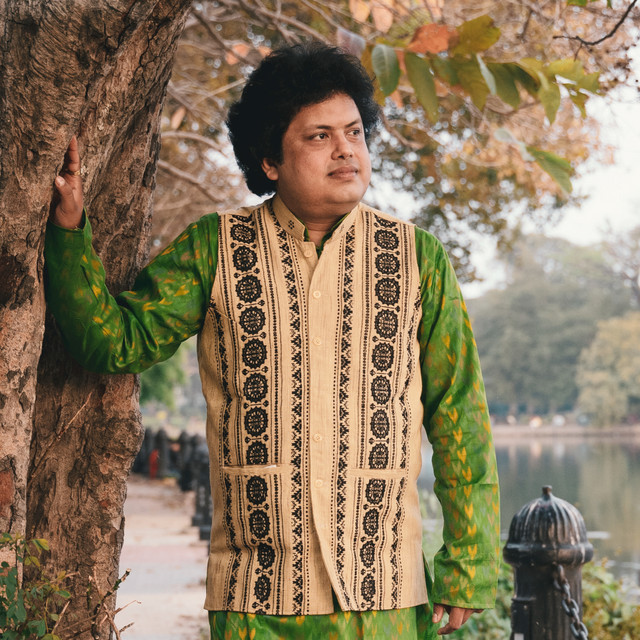

About Hindustani vocal
Hindustani vocal is the living North Indian tradition of classical singing, built around raga (melodic frameworks) and taal (rhythmic cycles). It centers on the exploration of mood and emotion through voice, often with a drone of tanpura and the rhythmic cycle of a tabla or pakhawaj. The genre is renowned for its emphasis on improvisation, call-and-response explorations (alahana and taans), and a cultivated, almost conversational speech-like ornamentation that invites the listener to journey through a raga’s ascent, peak, and fall.
Origins and evolution
Hindustani vocal music traces its roots to ancient and medieval melodic practices, but its modern form crystallized in the courts and towns of North India under the Mughal and other sultanates from roughly the 15th to the 18th centuries. The early codified styles were influenced by the older dhrupad tradition, with khayal gradually becoming the dominant approach by the 18th and 19th centuries. The khayal genre was designed for greater vocal flexibility, including brisk taans and elaborate melodic improvisation, while dhrupad retained a more austere, meditational character. Over time, regional gharanas (schools)—notably Kirana, Gwalior, Jaipur–Atrauli, and Agra—shaped distinct tonalities and interpretive approaches.
Forms within Hindustani vocal
Beyond khayal, Hindustani vocal tradition includes light-classical forms such as thumri, dadra and semi-classical pieces, which explore romantic, devotional, or evocative moods with greater lyric emphasis and expressive ornamentation. The repertoire spans compositions in multiple languages, often drawing on classical poetry in Urdu, Hindi, Braj, and regional dialects.
Ambassadors and key figures
- Tansen and Amir Khusrau are legendary early figures associated with shaping North Indian music in the medieval era.
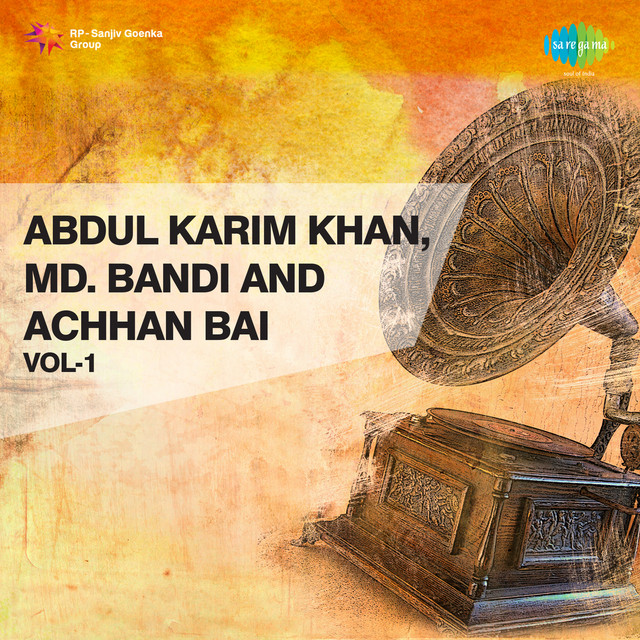
- Ustad Abdul Karim Khan and the Kirana lineage helped popularize a style of intonation and expansive, patient meend (gliding between notes) that remains influential.
- Pandit Bhimsen Joshi (Kirana gharana) and Pandit Jasraj (Mewati gharana) are among the most revered vocalists of the 20th century, celebrated for deep spiritual commitment and virtuosic improvisation.
- Smt. Kishori Amonkar (Jaipur–Atrauli lineage) broadened the palette of mood and color in khayal, emphasizing nuance and raga articulation.
- Ustad Rashid Khan (Rampur-Sahaswan lineage) represents a contemporary flowering of Hindustani vocalism with graceful, emotive phrasing and precise intonation.
Other renowned exponents include Bade Ghulam Ali Khan (Patiala gharana) and a host of contemporary artists who continue to expand the genre’s reach.
Geography and audience
Hindustani vocal is most deeply rooted in India and Pakistan, with a substantial following across South Asia. It has also found welcoming audiences in the global Indian diaspora and among world-music enthusiasts, particularly in the United States, United Kingdom, Canada, Australia, Singapore, and several Gulf countries. Major cities worldwide host festivals, concerts, and pedagogy rooted in the tradition, helping sustain both seasoned connoisseurs and curious newcomers.
What to listen for
A listener should notice raga-specific mood, melodic movement, and the breath control that supports long, expressive phrases. Pay attention to taan-driven passages, subtle microtonal ornamentation (gamak, meend), and the way a vocalist shapes a raga across different times of day or emotional states. Hindustani vocal is as much an aural journey as a scholarly study—an art form that rewards repeated listening and active immersion.
Origins and evolution
Hindustani vocal music traces its roots to ancient and medieval melodic practices, but its modern form crystallized in the courts and towns of North India under the Mughal and other sultanates from roughly the 15th to the 18th centuries. The early codified styles were influenced by the older dhrupad tradition, with khayal gradually becoming the dominant approach by the 18th and 19th centuries. The khayal genre was designed for greater vocal flexibility, including brisk taans and elaborate melodic improvisation, while dhrupad retained a more austere, meditational character. Over time, regional gharanas (schools)—notably Kirana, Gwalior, Jaipur–Atrauli, and Agra—shaped distinct tonalities and interpretive approaches.
Forms within Hindustani vocal
Beyond khayal, Hindustani vocal tradition includes light-classical forms such as thumri, dadra and semi-classical pieces, which explore romantic, devotional, or evocative moods with greater lyric emphasis and expressive ornamentation. The repertoire spans compositions in multiple languages, often drawing on classical poetry in Urdu, Hindi, Braj, and regional dialects.
Ambassadors and key figures
- Tansen and Amir Khusrau are legendary early figures associated with shaping North Indian music in the medieval era.
- Ustad Abdul Karim Khan and the Kirana lineage helped popularize a style of intonation and expansive, patient meend (gliding between notes) that remains influential.
- Pandit Bhimsen Joshi (Kirana gharana) and Pandit Jasraj (Mewati gharana) are among the most revered vocalists of the 20th century, celebrated for deep spiritual commitment and virtuosic improvisation.
- Smt. Kishori Amonkar (Jaipur–Atrauli lineage) broadened the palette of mood and color in khayal, emphasizing nuance and raga articulation.
- Ustad Rashid Khan (Rampur-Sahaswan lineage) represents a contemporary flowering of Hindustani vocalism with graceful, emotive phrasing and precise intonation.
Other renowned exponents include Bade Ghulam Ali Khan (Patiala gharana) and a host of contemporary artists who continue to expand the genre’s reach.
Geography and audience
Hindustani vocal is most deeply rooted in India and Pakistan, with a substantial following across South Asia. It has also found welcoming audiences in the global Indian diaspora and among world-music enthusiasts, particularly in the United States, United Kingdom, Canada, Australia, Singapore, and several Gulf countries. Major cities worldwide host festivals, concerts, and pedagogy rooted in the tradition, helping sustain both seasoned connoisseurs and curious newcomers.
What to listen for
A listener should notice raga-specific mood, melodic movement, and the breath control that supports long, expressive phrases. Pay attention to taan-driven passages, subtle microtonal ornamentation (gamak, meend), and the way a vocalist shapes a raga across different times of day or emotional states. Hindustani vocal is as much an aural journey as a scholarly study—an art form that rewards repeated listening and active immersion.