Genre
hip hop galsen
Top Hip hop galsen Artists
Showing 25 of 62 artists



About Hip hop galsen
Hip hop galsen is a vibrant, imagined or emerging label for a wave of Senegalese hip hop that blends rap with the rhythmic life of Senegalese streets, markets, and stages. The term “galsen” is Wolof for Senegal, so hip hop galsen signals a distinctly local voice wearing global influence. Its birth is often traced to the late 1990s and early 2000s in Dakar and other Senegalese cities, where enthusiastic crews, clubs, and radio DJs began to fuse Western rap with traditional sounds, languages, and storytelling traditions of the country.
What makes hip hop galsen recognizable is its sound palette and linguistic texture. The music foregrounds rapid-fire verses and choruses delivered in Wolof, French, and sometimes Pulaar or Serer, stitched together with a call-and-response spirit that mirrors Senegalese performance norms. Instrumentation frequently weaves in sabar drums, mbalax-inspired percussion, and other local textures alongside sampled loops, electronic production, and live instrumentation. The result is a groove that can feel both club-ready and deeply rooted in communal performance spaces. The bass is thick, the rhythms can slip between hypnotic grooves and brisk tempo shifts, and the vocals often ride the space between storytelling, social critique, and dance-floor energy.
Lyrically, hip hop galsen tends to dwell on life in urban Senegal—migration, youth culture, economic realities, love, and political conscience—while also addressing broader pan-African and diaspora concerns. The genre invites code-switching, weaving Wolof and French in the same verse, and sometimes sprinkling terms from local proverbs or griot-inspired storytelling into modern rhymes. This blend of languages and references helps give galsen its distinctive voice: intimate and immediate, yet capable of addressing large social questions with wit and resilience.
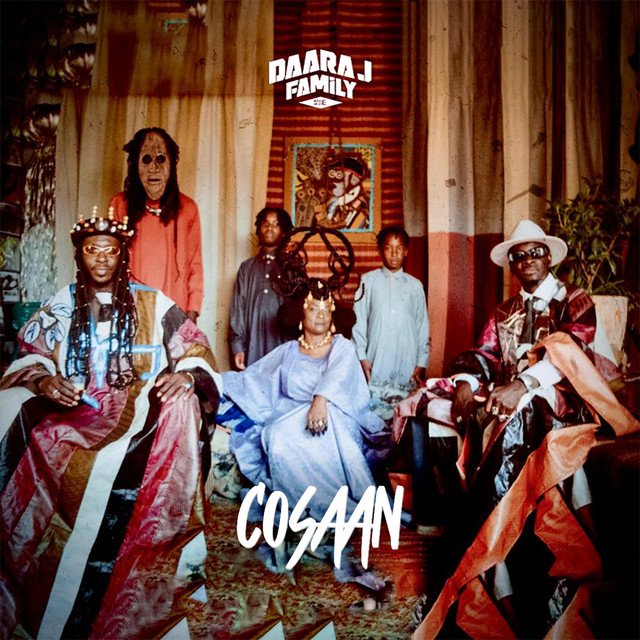
In terms of lineage, hip hop galsen sits on the shoulders of early Senegalese pioneers who helped anchor the scene. Notable ambassadors of the broader Senegalese hip hop story include Didier Awadi of Positive Black Soul, whose work helped internationalize West African rap, and the Daara J collective, widely recognized for bringing Senegalese bilingual lyricism to the world stage. Their contributions established a credible template for a homegrown sound—one that could be socially conscious without sacrificing groove or street-smart swagger. Contemporary gal sen acts—across Dakar, St. Louis, and the diaspora—continue to expand the sound, collaborating with producers and musicians across Europe and North America while staying deeply tied to local rhythms and performances.
Geographically, hip hop galsen is most deeply rooted in Senegal, with a strong and growing footprint in France and other Francophone countries where Senegalese communities thrive. It also enjoys listening audiences in Belgium, the United Kingdom, and parts of North America through the global diaspora, where Senegalese communities festivalise and remix their culture in clubs, radio shows, and online spaces. In short, hip hop galsen is a diasporic, dynamic blend—local flair meeting global hip hop, a sound that travels quickly yet remains unmistakably Senegalese in its heart, language, and rhythm.
What makes hip hop galsen recognizable is its sound palette and linguistic texture. The music foregrounds rapid-fire verses and choruses delivered in Wolof, French, and sometimes Pulaar or Serer, stitched together with a call-and-response spirit that mirrors Senegalese performance norms. Instrumentation frequently weaves in sabar drums, mbalax-inspired percussion, and other local textures alongside sampled loops, electronic production, and live instrumentation. The result is a groove that can feel both club-ready and deeply rooted in communal performance spaces. The bass is thick, the rhythms can slip between hypnotic grooves and brisk tempo shifts, and the vocals often ride the space between storytelling, social critique, and dance-floor energy.
Lyrically, hip hop galsen tends to dwell on life in urban Senegal—migration, youth culture, economic realities, love, and political conscience—while also addressing broader pan-African and diaspora concerns. The genre invites code-switching, weaving Wolof and French in the same verse, and sometimes sprinkling terms from local proverbs or griot-inspired storytelling into modern rhymes. This blend of languages and references helps give galsen its distinctive voice: intimate and immediate, yet capable of addressing large social questions with wit and resilience.
In terms of lineage, hip hop galsen sits on the shoulders of early Senegalese pioneers who helped anchor the scene. Notable ambassadors of the broader Senegalese hip hop story include Didier Awadi of Positive Black Soul, whose work helped internationalize West African rap, and the Daara J collective, widely recognized for bringing Senegalese bilingual lyricism to the world stage. Their contributions established a credible template for a homegrown sound—one that could be socially conscious without sacrificing groove or street-smart swagger. Contemporary gal sen acts—across Dakar, St. Louis, and the diaspora—continue to expand the sound, collaborating with producers and musicians across Europe and North America while staying deeply tied to local rhythms and performances.
Geographically, hip hop galsen is most deeply rooted in Senegal, with a strong and growing footprint in France and other Francophone countries where Senegalese communities thrive. It also enjoys listening audiences in Belgium, the United Kingdom, and parts of North America through the global diaspora, where Senegalese communities festivalise and remix their culture in clubs, radio shows, and online spaces. In short, hip hop galsen is a diasporic, dynamic blend—local flair meeting global hip hop, a sound that travels quickly yet remains unmistakably Senegalese in its heart, language, and rhythm.