Genre
hip pop
Top Hip pop Artists
Showing 25 of 60 artists




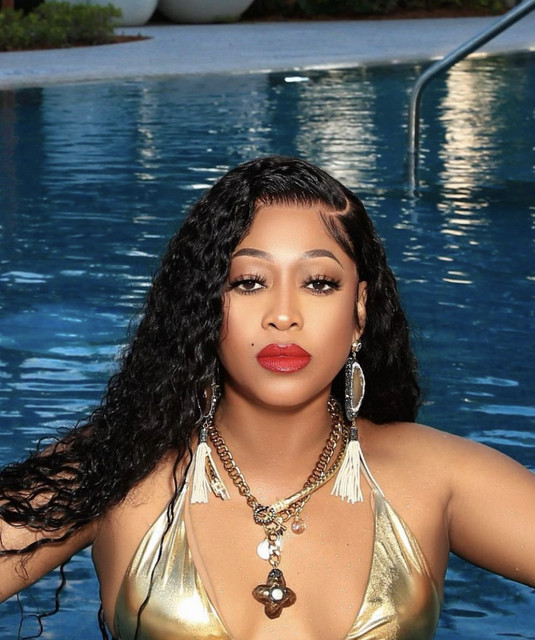
About Hip pop
Hip pop is a crossover music style that blends the rhythmic fire of hip-hop with the catchy, chorus-driven logic of pop. It rewards memorable hooks, melodic hooks, crisp production, and a radio-friendly feel, while keeping rap’s cadence, swagger, and rhythmic play. In short, it’s hip-hop’s street energy wrapped in pop accessibility, designed to travel across clubs, playlists, and mainstream airwaves at once.
Origins and evolution
The roots of hip pop trace to the late 1990s and early 2000s, when producers and artists began tying hip-hop’s rhythmic bravado to pop songcraft. The objective was simple: make tracks that could work on radio while still sounding unmistakably hip-hop. As the decade progressed, more songs moved toward singable choruses, lighter bounciness, and hook-centered structures. By the 2010s, the fusion had solidified into a recognizable lane: artists who could rap with cadence and bite, then pivot into melodic, pop-ready refrains that invited broad, international appeal. The sound matured with the help of cross-genre collaborations, mainstream pop stars lending their melodies to rap records, and hip-hop artists embracing pop-leaning production and structure.
Ambassadors and key figures
Hip pop has been championed by a wide array of artists who straddle the line between rap bravura and pop accessibility. Figures who helped define the sound include those who consistently deliver catchy choruses, danceable rhythms, and cross-genre collaborations. In the 2000s and 2010s, acts notable for their hip pop orientation include artists who built global audiences with hooky songs and chart-friendly formats. In more recent years, major artists such as Drake, Rihanna, Pitbull, Flo Rida, Jason Derulo, Nicki Minaj, and Doja Cat have embodied the genre’s spirit—melding rap verses with chart-topping melodies, guest appearances that cross into pop, and production aimed at both clubs and streaming playlists. The genre’s ambassadors aren’t limited to one country; they come from North America, Europe, and beyond, reflecting its worldwide reach.
Geography and audience
Hip pop has found a particularly strong footing in the United States, the United Kingdom, Canada, and Australia, where radio formats reward cross-genre appeal and streaming platforms surface melodic rap alongside pop hits. Beyond English-speaking markets, the style resonates globally through collaborations with Latin, Caribbean, and European artists, broadening its footprint in Latin America, Western Europe, and Asia. In an era of global playlists and social media virality, hip pop tracks often travel quickly across borders, aided by bilingual or bilingual-friendly hooks and a flexible sonic palette.
Sound, form, and culture
Musically, hip pop favors tight, radio-friendly song structures—verses leading into a memorable chorus, a clean bridge, and a tempo that sits comfortably for both dancing and singing along. Production tends toward polished synths, punchy bass, and melodic hooks; vocal performance often blends confident rapping with melodic singing, sometimes aided by Auto-Tune or lush vocal layering. Lyrically, the content tends toward universal themes—celebration, aspiration, romance, hustle—while still preserving hip-hop’s streetwise edge.
Today, hip pop remains a central artery of contemporary pop music, a testament to how easily hip hop can ride the most universal of melodies. It continues to evolve as new artists blend global influences, new production techniques, and the unlimited reach of digital platforms.
Origins and evolution
The roots of hip pop trace to the late 1990s and early 2000s, when producers and artists began tying hip-hop’s rhythmic bravado to pop songcraft. The objective was simple: make tracks that could work on radio while still sounding unmistakably hip-hop. As the decade progressed, more songs moved toward singable choruses, lighter bounciness, and hook-centered structures. By the 2010s, the fusion had solidified into a recognizable lane: artists who could rap with cadence and bite, then pivot into melodic, pop-ready refrains that invited broad, international appeal. The sound matured with the help of cross-genre collaborations, mainstream pop stars lending their melodies to rap records, and hip-hop artists embracing pop-leaning production and structure.
Ambassadors and key figures
Hip pop has been championed by a wide array of artists who straddle the line between rap bravura and pop accessibility. Figures who helped define the sound include those who consistently deliver catchy choruses, danceable rhythms, and cross-genre collaborations. In the 2000s and 2010s, acts notable for their hip pop orientation include artists who built global audiences with hooky songs and chart-friendly formats. In more recent years, major artists such as Drake, Rihanna, Pitbull, Flo Rida, Jason Derulo, Nicki Minaj, and Doja Cat have embodied the genre’s spirit—melding rap verses with chart-topping melodies, guest appearances that cross into pop, and production aimed at both clubs and streaming playlists. The genre’s ambassadors aren’t limited to one country; they come from North America, Europe, and beyond, reflecting its worldwide reach.
Geography and audience
Hip pop has found a particularly strong footing in the United States, the United Kingdom, Canada, and Australia, where radio formats reward cross-genre appeal and streaming platforms surface melodic rap alongside pop hits. Beyond English-speaking markets, the style resonates globally through collaborations with Latin, Caribbean, and European artists, broadening its footprint in Latin America, Western Europe, and Asia. In an era of global playlists and social media virality, hip pop tracks often travel quickly across borders, aided by bilingual or bilingual-friendly hooks and a flexible sonic palette.
Sound, form, and culture
Musically, hip pop favors tight, radio-friendly song structures—verses leading into a memorable chorus, a clean bridge, and a tempo that sits comfortably for both dancing and singing along. Production tends toward polished synths, punchy bass, and melodic hooks; vocal performance often blends confident rapping with melodic singing, sometimes aided by Auto-Tune or lush vocal layering. Lyrically, the content tends toward universal themes—celebration, aspiration, romance, hustle—while still preserving hip-hop’s streetwise edge.
Today, hip pop remains a central artery of contemporary pop music, a testament to how easily hip hop can ride the most universal of melodies. It continues to evolve as new artists blend global influences, new production techniques, and the unlimited reach of digital platforms.