Genre
hokkien pop
Top Hokkien pop Artists
Showing 9 of 9 artists
1

吳淑敏
1,387
3,167 listeners
2

秦永
409
988 listeners
3
詹曼玲
287
708 listeners
4

詹曼鈴
450
691 listeners
5
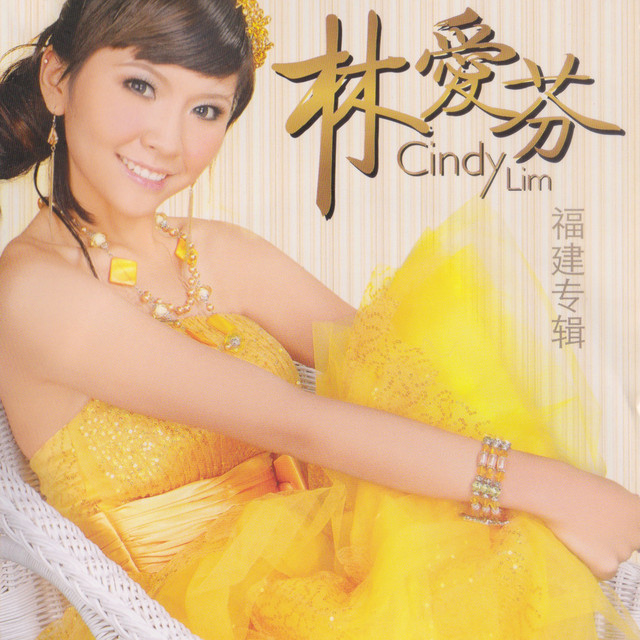
林愛芬
240
522 listeners
6
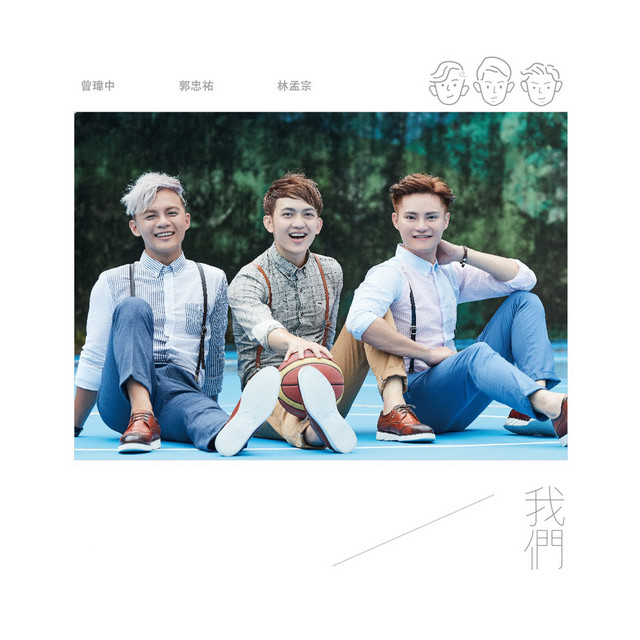
林孟宗
180
362 listeners
7

董育君
1,052
38 listeners
8
陳政文
1,194
4 listeners
9
劉福助
1,069
- listeners
About Hokkien pop
Hokkien pop, also called Taiwanese Hokkien pop, is a branch of Chinese-language popular music sung in the Hokkien (Minnan) dialect. It grew out of the Minnan-speaking communities of Taiwan and the wider Hoklo world, blending traditional melodies with late 20th‑century pop, ballad, and light rock. For decades it has served both as entertainment and as a vehicle for language and identity, translating everyday life into emotionally direct songs.
Origins and rise: Hokkien-language songs circulated on radio and local studios across Taiwan from the 1950s onward, but the modern genre took shape in the late 1980s and early 1990s. The lifting of martial law in 1987 unleashed a broader Taiwanese cultural awakening, and audiences grew for songs in the local dialect that spoke of homes, families, and hometowns. By the mid‑1990s a recognizably polished Hokkien pop sound—lush arrangements, catchy hooks, and dialect‑rich lyricism—had coalesced. It existed alongside Mandarin pop but retained a distinct identity anchored in daily life and memory.
Key artists and ambassadors: Jody Chiang (江蕙) stands as the most celebrated figure and is widely regarded as the queen of Hokkien pop. Her decades‑long catalog, including signature pieces like 海角天涯, helped define the genre’s emotional core: intimate storytelling, tenderness, and a sense of place. She is followed by a generation of veteran singers who kept Hokkien songs in rotation through the 1990s and 2000s, and by younger acts in Taiwan and among Hoklo communities in Singapore, Malaysia, and Indonesia who blend dialect lyrics with contemporary pop textures. Together they have kept the language lively on stage and on screens, ensuring that Hokkien pop remains a living, evolving style rather than a relic.
Musical traits: Hokkien pop typically favors clear vocal delivery over melodic hooks. Instrumentation ranges from piano and acoustic guitar to strings, subtle synths, and light percussion. Lyrically it leans into concrete, neighborhood-level imagery—streets, markets, seasides, family meals—while weaving in local idioms and cultural references. The mood shifts from nostalgic ballads to affectionate love songs, often conveyed with warmth and humor that the dialect affords. Across Singapore, Malaysia, and Indonesia, regional producers bring subtle local flavors to the sound, enriching the genre without diluting its core dialect identity.
Global footprint: Taiwan is the core market, but Hokkien pop has a devoted diaspora audience across Southeast Asia. In Singapore and Malaysia, radio and live venues sustain a lively Hokkien‑language scene; in Indonesia, Hoklo communities contribute contemporary takes on the tradition. In the streaming era, listeners worldwide discover both classic and contemporary tracks, widening the circle of enthusiasts who prize dialect-driven pop as a vital strand of Chinese-language music.
Origins and rise: Hokkien-language songs circulated on radio and local studios across Taiwan from the 1950s onward, but the modern genre took shape in the late 1980s and early 1990s. The lifting of martial law in 1987 unleashed a broader Taiwanese cultural awakening, and audiences grew for songs in the local dialect that spoke of homes, families, and hometowns. By the mid‑1990s a recognizably polished Hokkien pop sound—lush arrangements, catchy hooks, and dialect‑rich lyricism—had coalesced. It existed alongside Mandarin pop but retained a distinct identity anchored in daily life and memory.
Key artists and ambassadors: Jody Chiang (江蕙) stands as the most celebrated figure and is widely regarded as the queen of Hokkien pop. Her decades‑long catalog, including signature pieces like 海角天涯, helped define the genre’s emotional core: intimate storytelling, tenderness, and a sense of place. She is followed by a generation of veteran singers who kept Hokkien songs in rotation through the 1990s and 2000s, and by younger acts in Taiwan and among Hoklo communities in Singapore, Malaysia, and Indonesia who blend dialect lyrics with contemporary pop textures. Together they have kept the language lively on stage and on screens, ensuring that Hokkien pop remains a living, evolving style rather than a relic.
Musical traits: Hokkien pop typically favors clear vocal delivery over melodic hooks. Instrumentation ranges from piano and acoustic guitar to strings, subtle synths, and light percussion. Lyrically it leans into concrete, neighborhood-level imagery—streets, markets, seasides, family meals—while weaving in local idioms and cultural references. The mood shifts from nostalgic ballads to affectionate love songs, often conveyed with warmth and humor that the dialect affords. Across Singapore, Malaysia, and Indonesia, regional producers bring subtle local flavors to the sound, enriching the genre without diluting its core dialect identity.
Global footprint: Taiwan is the core market, but Hokkien pop has a devoted diaspora audience across Southeast Asia. In Singapore and Malaysia, radio and live venues sustain a lively Hokkien‑language scene; in Indonesia, Hoklo communities contribute contemporary takes on the tradition. In the streaming era, listeners worldwide discover both classic and contemporary tracks, widening the circle of enthusiasts who prize dialect-driven pop as a vital strand of Chinese-language music.