Genre
honky tonk
Top Honky tonk Artists
Showing 25 of 763 artists

About Honky tonk
Honky tonk is the barroom heartbeat of country music—the sound of neon, spit-curled lighters, and the ache that follows a long shift. Born in the Southern United States, its crystallization happened in the 1940s and 1950s as working-class audiences flocked to the music that spoke plainly about heartbreak, whiskey, and resilience. The term originally described the rough, affordable venues where bands played to dancers who preferred a four-beat shuffle to a fancy arrangement. Musically, honky tonk fused traditional country with a more direct, stripped-down approach: punchy electric guitars, steel guitar wailing over a steady two-step groove, piano surges, and fiddle accents, all supporting vocal performances that feel immediate and personal.
Lyrically, honky tonk centers on everyday life’s rough edges. It’s about late-night bars, failed relationships, the grit of long hours, and the choice to keep going when hope feels thin. The style favors straightforward storytelling over ornate poetry, with a delivery that ranges from plaintive croon to assertive, almost spoken, phrasing. The result is a sound that’s both intimate and club-ready—perfect for sing-alongs and for the kind of listening that rewards a close attention to the emotional freight in a simple couple of lines.
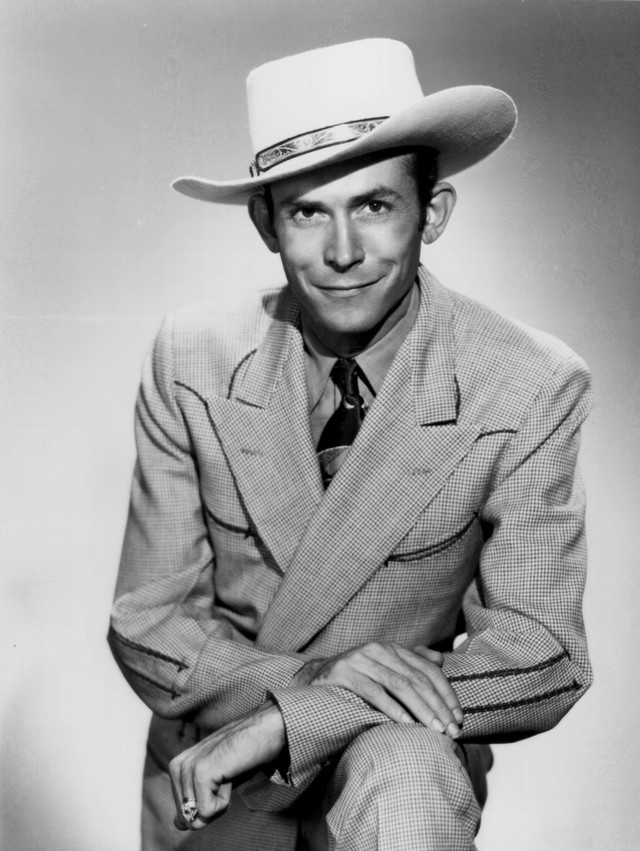
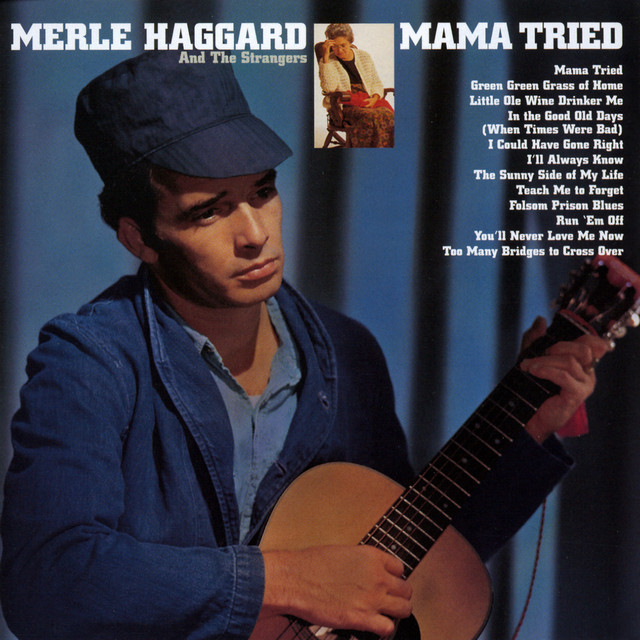
If you’re tracing the tradition’s torchbearers, Hank Williams stands as its quintessential ambassador. His stark, aching vocal tone on songs like Your Cheatin’ Heart, Hey, Good Lookin’, and I’m So Lonesome I Could Cry defined the core vibe: unvarnished confession, a melody that sticks, and a rhythm that invites a two-step or a slow burn of a dance. Lefty Frizzell helped push the genre’s phrasing and phrasing’s rhythm into a more flexible, conversational mode, while Ernest Tubb—whose honky tonk hour at the Grand Ole Opry helped bring the sound to a national audience—made the steel guitar a defining texture of the style. George Jones carried the tradition into the modern era with a voice capable of weather-beaten tenderness and stormy intensity, and Merle Haggard’s hard-life realism kept the music honest and uncompromising. The country mainstream also leaned on stalwarts like Bob Wills for Western Swing’s influence, while artists such as Willie Nelson and Johnny Cash kept the country spirit of honky tonk alive in new contexts.
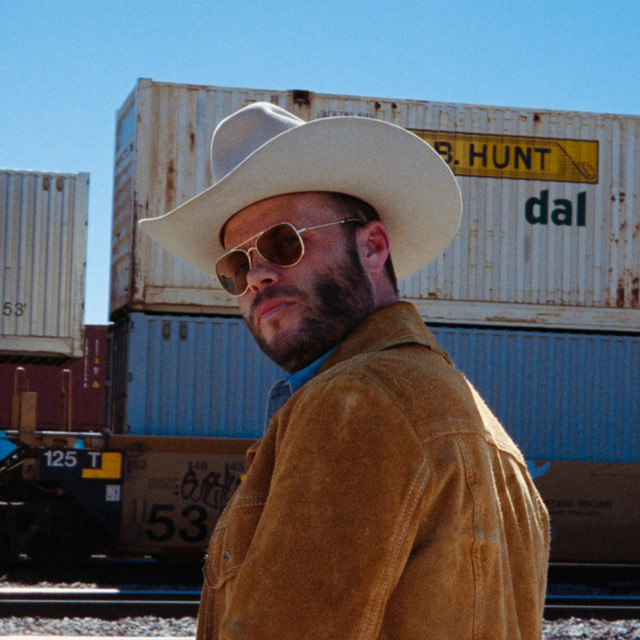
In the decades since, honky tonk has endured as a living strand of country music. In the 1980s and ’90s, acts like Dwight Yoakam and later Cody Jinks and Colter Wall kept the flame with a more contemporary edge, while still honoring the core chord progressions, brisk tempos, and candid lyricism. Today, the genre’s strongest commitment remains in the United States, where many of its heartlands—Texas, Oklahoma, Tennessee, and surrounding regions—continue to nurture the tradition. It also maintains a loyal following in Canada and Australia, with European country fans revisiting the classic sound and newer artists reviving its raw immediacy.
Honky tonk endures because it refuses to glamorize hardship; it bears witness to it. It’s a music of work boots and whiskey, of shared tables and shared stories, and of a dance floor that welcomes the broken and the hopeful alike. For enthusiasts, it’s a masterclass in how economy of means can yield a deeply human, universally resonant groove.
Lyrically, honky tonk centers on everyday life’s rough edges. It’s about late-night bars, failed relationships, the grit of long hours, and the choice to keep going when hope feels thin. The style favors straightforward storytelling over ornate poetry, with a delivery that ranges from plaintive croon to assertive, almost spoken, phrasing. The result is a sound that’s both intimate and club-ready—perfect for sing-alongs and for the kind of listening that rewards a close attention to the emotional freight in a simple couple of lines.
If you’re tracing the tradition’s torchbearers, Hank Williams stands as its quintessential ambassador. His stark, aching vocal tone on songs like Your Cheatin’ Heart, Hey, Good Lookin’, and I’m So Lonesome I Could Cry defined the core vibe: unvarnished confession, a melody that sticks, and a rhythm that invites a two-step or a slow burn of a dance. Lefty Frizzell helped push the genre’s phrasing and phrasing’s rhythm into a more flexible, conversational mode, while Ernest Tubb—whose honky tonk hour at the Grand Ole Opry helped bring the sound to a national audience—made the steel guitar a defining texture of the style. George Jones carried the tradition into the modern era with a voice capable of weather-beaten tenderness and stormy intensity, and Merle Haggard’s hard-life realism kept the music honest and uncompromising. The country mainstream also leaned on stalwarts like Bob Wills for Western Swing’s influence, while artists such as Willie Nelson and Johnny Cash kept the country spirit of honky tonk alive in new contexts.
In the decades since, honky tonk has endured as a living strand of country music. In the 1980s and ’90s, acts like Dwight Yoakam and later Cody Jinks and Colter Wall kept the flame with a more contemporary edge, while still honoring the core chord progressions, brisk tempos, and candid lyricism. Today, the genre’s strongest commitment remains in the United States, where many of its heartlands—Texas, Oklahoma, Tennessee, and surrounding regions—continue to nurture the tradition. It also maintains a loyal following in Canada and Australia, with European country fans revisiting the classic sound and newer artists reviving its raw immediacy.
Honky tonk endures because it refuses to glamorize hardship; it bears witness to it. It’s a music of work boots and whiskey, of shared tables and shared stories, and of a dance floor that welcomes the broken and the hopeful alike. For enthusiasts, it’s a masterclass in how economy of means can yield a deeply human, universally resonant groove.