Genre
horror punk
Top Horror punk Artists
Showing 25 of 1,145 artists

About Horror punk
Horror punk is a compact, high-octane fusion of punk rock urgency and the mood of classic horror cinema. It treats monsters, gore, and haunted imagery as part of the sonic toolkit, pairing aggressive three-chord attack with eerie atmosphere, spoken-word intros, spooky samples, and gang vocal hooks that evoke campy horror flicks as much as a mosh pit. The result is music that feels both rebellious and cinematic—a quick burn that lingers in the imagination.
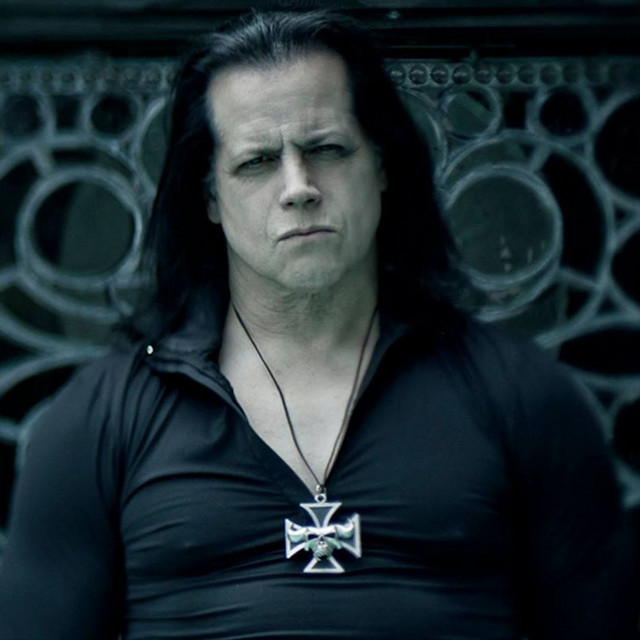
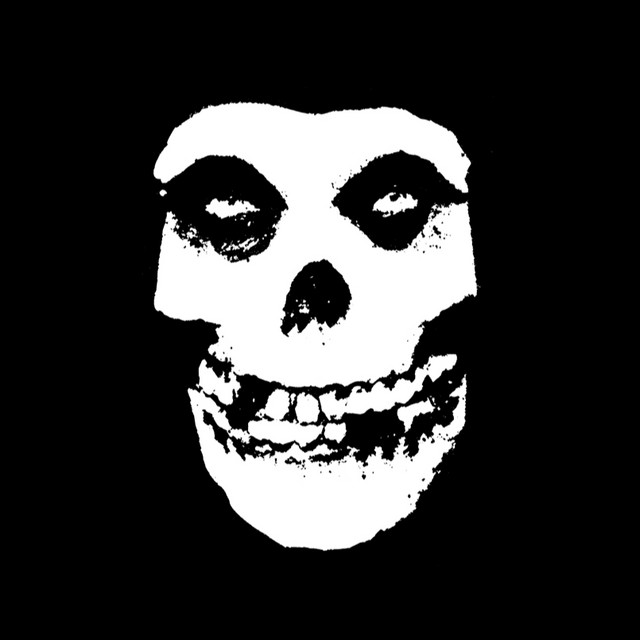
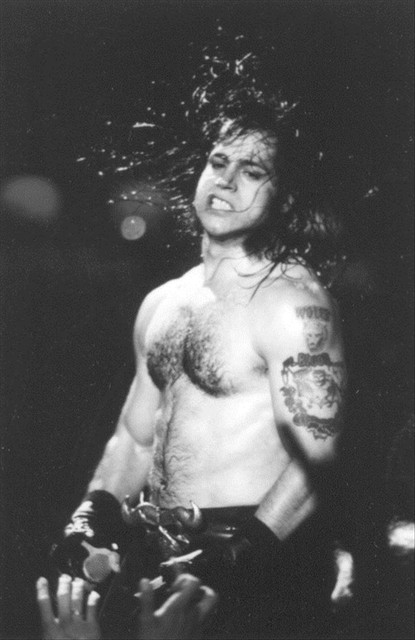
The genre’s DNA is most often traced to the late 1970s and early 1980s in the United States, with The Misfits serving as its definitive origin point. Formed in 1977 in Lodi, New Jersey, The Misfits built a temple around horror-themed lyrics, skulls and monsters in their artwork, and a relentless punk tempo that could flip into loud, near-metal aggression. Their releases from that era, including a string of early recordings collected later as the Walk Among Us era, established a template: punchy riffs, shoutable choruses, and a cinematic fascination with creatures from the screen. The aesthetic extended into Glenn Danzig’s later projects—first Samhain and then Danzig—cementing horror imagery in the broader punk-adjacent landscape.
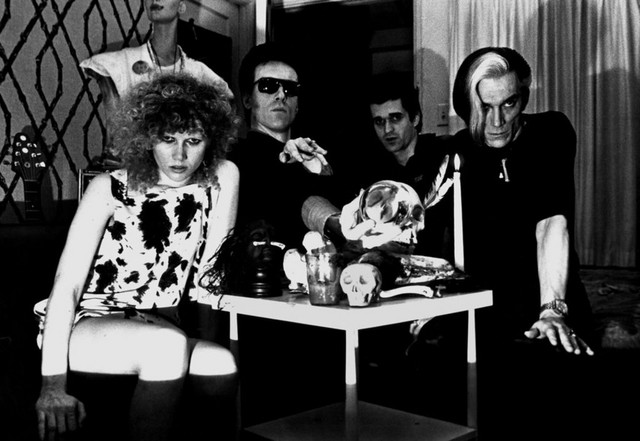
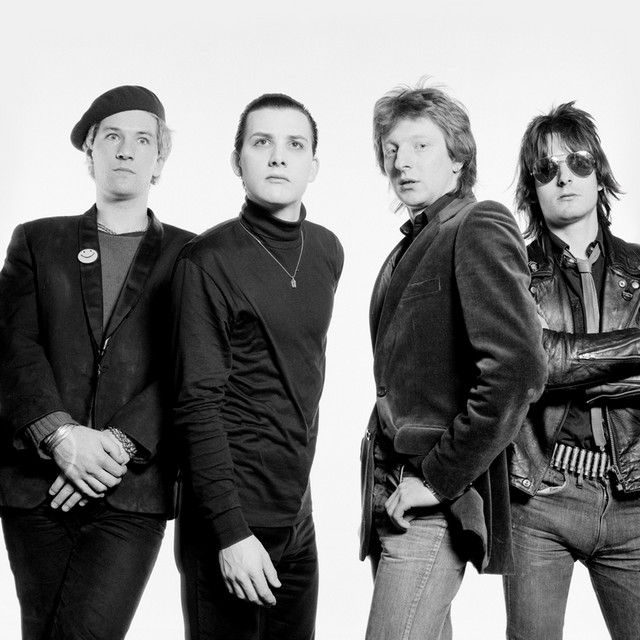
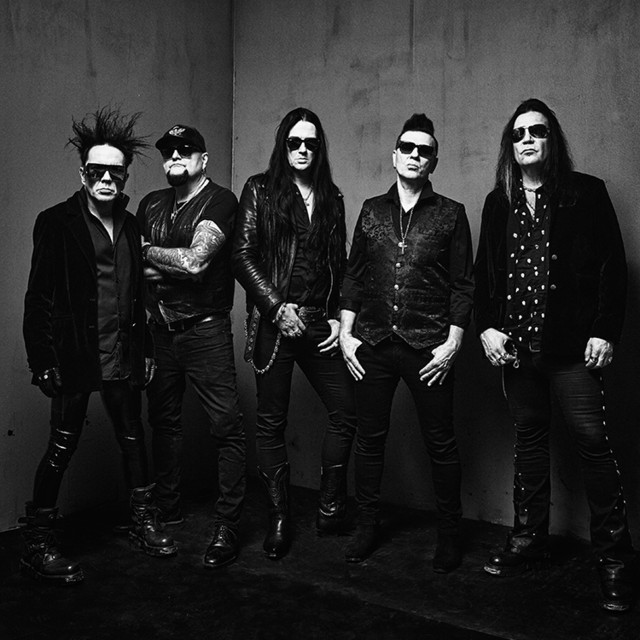
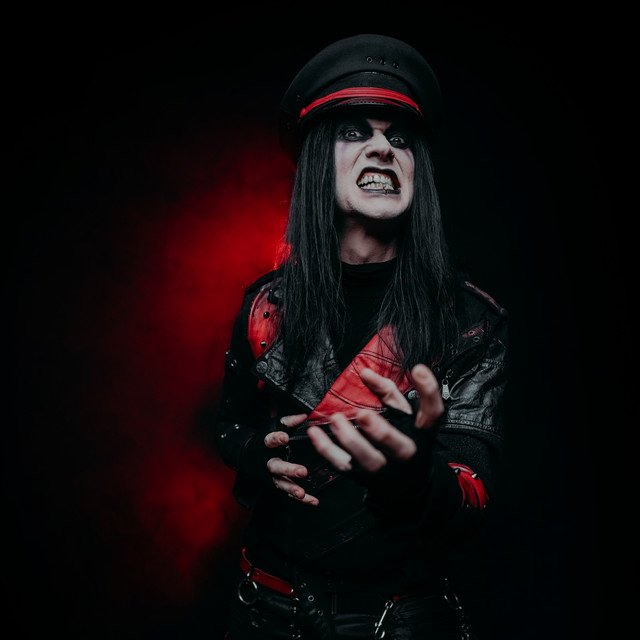
Beyond The Misfits, horror punk drew on a wider circle of contemporaries and successors who shared the same appetite for macabre theatrics. The Cramps, though usually placed in the garage-psych or psychobilly orbit, fed into the same love of lurid, B-movie mood and stage theatrics that horror punk fans crave. The Damned and other UK acts contributed to the cross-pollination, helping to widen the cultural map of “horror” in punk beyond American shores. In the following decades, a new generation of bands—such as Calabrese, Ghoul, Blitzkid, and Wednesday 13—kept the flame alive, updating the sound with modern production while preserving the DIY energy and theatrical horror imagery at the core. These acts are often cited as ambassadors in contemporary scenes, keeping the genre vital for new audiences.
Geographically, horror punk remains a niche but globally dispersed scene. It has its strongest footholds in the United States (especially in scenes tied to the Northeast and Midwest), with dedicated followings in the United Kingdom and Western Europe, and notable pockets in Brazil, Italy, Germany, and Japan. Festivals, small-venue tours, and DIY zines across these regions highlight the genre’s enduring appeal to fans who love underground music, cult cinema references, and the catharsis of live horror-themed performance.
Key sonic traits include brisk tempos, simple but aggressive guitar work, punchy drum machines or live kits, and a vocal delivery that can swing from shouting to snarling to almost theatrical narration. Lyrically, horror punk leans into monsters, zombies, and nightmare imagery, but it often uses humor and irreverence to keep the intensity entertaining rather than just terrifying.
In short, horror punk is punk’s cinematic side—where the fear and the thrill of horror become a fast, communal, liveable sound. It’s a niche with enduring legends and a continuing line of ambassadors who prove that monsters can be part of a chorus, not just the imagery on a t-shirt.
The genre’s DNA is most often traced to the late 1970s and early 1980s in the United States, with The Misfits serving as its definitive origin point. Formed in 1977 in Lodi, New Jersey, The Misfits built a temple around horror-themed lyrics, skulls and monsters in their artwork, and a relentless punk tempo that could flip into loud, near-metal aggression. Their releases from that era, including a string of early recordings collected later as the Walk Among Us era, established a template: punchy riffs, shoutable choruses, and a cinematic fascination with creatures from the screen. The aesthetic extended into Glenn Danzig’s later projects—first Samhain and then Danzig—cementing horror imagery in the broader punk-adjacent landscape.
Beyond The Misfits, horror punk drew on a wider circle of contemporaries and successors who shared the same appetite for macabre theatrics. The Cramps, though usually placed in the garage-psych or psychobilly orbit, fed into the same love of lurid, B-movie mood and stage theatrics that horror punk fans crave. The Damned and other UK acts contributed to the cross-pollination, helping to widen the cultural map of “horror” in punk beyond American shores. In the following decades, a new generation of bands—such as Calabrese, Ghoul, Blitzkid, and Wednesday 13—kept the flame alive, updating the sound with modern production while preserving the DIY energy and theatrical horror imagery at the core. These acts are often cited as ambassadors in contemporary scenes, keeping the genre vital for new audiences.
Geographically, horror punk remains a niche but globally dispersed scene. It has its strongest footholds in the United States (especially in scenes tied to the Northeast and Midwest), with dedicated followings in the United Kingdom and Western Europe, and notable pockets in Brazil, Italy, Germany, and Japan. Festivals, small-venue tours, and DIY zines across these regions highlight the genre’s enduring appeal to fans who love underground music, cult cinema references, and the catharsis of live horror-themed performance.
Key sonic traits include brisk tempos, simple but aggressive guitar work, punchy drum machines or live kits, and a vocal delivery that can swing from shouting to snarling to almost theatrical narration. Lyrically, horror punk leans into monsters, zombies, and nightmare imagery, but it often uses humor and irreverence to keep the intensity entertaining rather than just terrifying.
In short, horror punk is punk’s cinematic side—where the fear and the thrill of horror become a fast, communal, liveable sound. It’s a niche with enduring legends and a continuing line of ambassadors who prove that monsters can be part of a chorus, not just the imagery on a t-shirt.