Genre
horror synth
Top Horror synth Artists
Showing 16 of 16 artists






About Horror synth
Horror synth, sometimes called horror synthwave or dark synth, is a visceral subgenre of the broader synthwave family that fuses neon-noir nostalgia with the dread and intensity of horror cinema. Think pulsating analog synths, ominous pads, aggressive basslines, and arpeggios that shimmer like city lights at midnight—yet arranged to evoke tension, menace, and supernatural atmosphere. It’s not just retro-inspired mood music; it’s designed to carry the edge of horror scores into contemporary electronic production, often through cinematic buildups, brutal drops, and a distinct sense of doom.
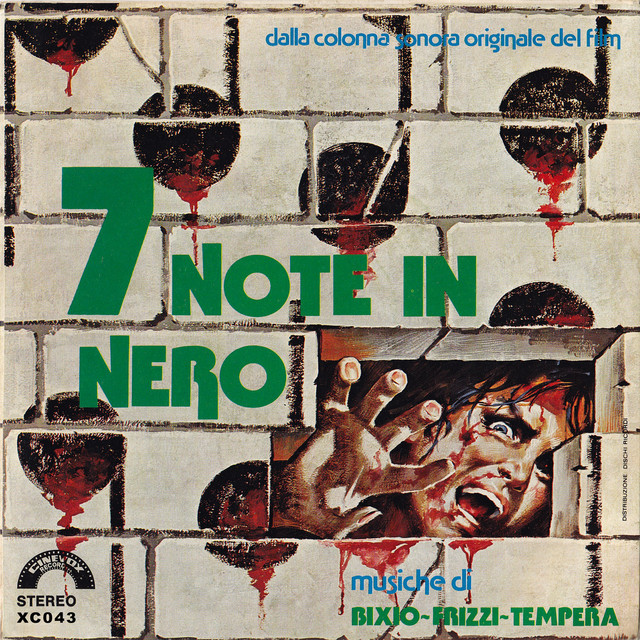
The genre’s birth is tied to the 2010s rise of synthwave, but horror synth quickly carved its own identity. Early 2010s acts pushed the darker side of the scene, drawing inspiration from 1980s horror and sci‑fi soundtracks—composers like John Carpenter and Fabio Frizzi became touchstones in practicing mood rather than mere nostalgia. French producers in particular played a foundational role, with perturbed, mask-wearing live aesthetics and a penchant for cinematic storytelling helping to crystallize the sound. By the mid‑2010s, a wave of artists distilled the horror influence into more aggressive, filmic hooks, giving the scene a recognizable voice that could sit comfortably in trailers, indie game soundtracks, and club stages alike.
Key ambassadors of horror synth include Perturbator, Carpenter Brut, GosT, Dance with the Dead, and other American and European acts who readily fuse synth textures with darker, more aggressive or occult themes. Perturbator (France) became one of the movement’s most visible architects, blending cinematic synth lines with dystopian atmospheres. Carpenter Brut (France) has been pivotal in popularizing a brutal, metal-inflected edge within the genre, often infusing tracks with a cinematic, rallying energy that still bears the horror stamp. GosT (USA) leans into occult and nocturnal moodscapes, delivering compact, claustrophobic synth passages that feel like encounters in a late-night city. Dance with the Dead (USA) brings a guitar‑driven horror‑theme swagger to instrumental synthwave, while Lazerhawk and other American artists contributed to the space with neon-lit, high-octane takes. Collectively, these names have helped push horror synth from a niche curiosity into a recognizable current within electronic music.
In terms of geography, horror synth finds its strongest audiences in France and the United States, where the genre’s blend of European elegance and American drive resonates across clubs, festivals, and streaming platforms. It also has appreciable followings in the United Kingdom, Canada, Germany, and increasingly Japan, where anime, game soundtracks, and retro aesthetics feed into the same appetite for high-energy, cinematic electronic music. The genre thrives online, especially on Bandcamp and streaming services, where artists release limited runs of tapes, vinyl, and digital EPs that cater to collectors and casual listeners alike. It’s common to encounter horror synth in trailer music, indie game soundtracks, and horror‑leaning film projects, where its immediacy and mood can instantly signal danger, suspense, or a retro-futuristic rebellion.
For newcomers, a good entry path is to listen for tracks that balance panoramic, spacey synth pads with tight drums and a foreboding melodic line. Start with Perturbator’s more cinematic pieces and Carpenter Brut’s turbocharged anthems, then explore GosT, Dance with the Dead, and related acts to hear the genre’s spectrum—from atmospheric dread to adrenaline-fueled climaxes.
The genre’s birth is tied to the 2010s rise of synthwave, but horror synth quickly carved its own identity. Early 2010s acts pushed the darker side of the scene, drawing inspiration from 1980s horror and sci‑fi soundtracks—composers like John Carpenter and Fabio Frizzi became touchstones in practicing mood rather than mere nostalgia. French producers in particular played a foundational role, with perturbed, mask-wearing live aesthetics and a penchant for cinematic storytelling helping to crystallize the sound. By the mid‑2010s, a wave of artists distilled the horror influence into more aggressive, filmic hooks, giving the scene a recognizable voice that could sit comfortably in trailers, indie game soundtracks, and club stages alike.
Key ambassadors of horror synth include Perturbator, Carpenter Brut, GosT, Dance with the Dead, and other American and European acts who readily fuse synth textures with darker, more aggressive or occult themes. Perturbator (France) became one of the movement’s most visible architects, blending cinematic synth lines with dystopian atmospheres. Carpenter Brut (France) has been pivotal in popularizing a brutal, metal-inflected edge within the genre, often infusing tracks with a cinematic, rallying energy that still bears the horror stamp. GosT (USA) leans into occult and nocturnal moodscapes, delivering compact, claustrophobic synth passages that feel like encounters in a late-night city. Dance with the Dead (USA) brings a guitar‑driven horror‑theme swagger to instrumental synthwave, while Lazerhawk and other American artists contributed to the space with neon-lit, high-octane takes. Collectively, these names have helped push horror synth from a niche curiosity into a recognizable current within electronic music.
In terms of geography, horror synth finds its strongest audiences in France and the United States, where the genre’s blend of European elegance and American drive resonates across clubs, festivals, and streaming platforms. It also has appreciable followings in the United Kingdom, Canada, Germany, and increasingly Japan, where anime, game soundtracks, and retro aesthetics feed into the same appetite for high-energy, cinematic electronic music. The genre thrives online, especially on Bandcamp and streaming services, where artists release limited runs of tapes, vinyl, and digital EPs that cater to collectors and casual listeners alike. It’s common to encounter horror synth in trailer music, indie game soundtracks, and horror‑leaning film projects, where its immediacy and mood can instantly signal danger, suspense, or a retro-futuristic rebellion.
For newcomers, a good entry path is to listen for tracks that balance panoramic, spacey synth pads with tight drums and a foreboding melodic line. Start with Perturbator’s more cinematic pieces and Carpenter Brut’s turbocharged anthems, then explore GosT, Dance with the Dead, and related acts to hear the genre’s spectrum—from atmospheric dread to adrenaline-fueled climaxes.