Genre
horrorcore
Top Horrorcore Artists
Showing 25 of 2,760 artists
About Horrorcore
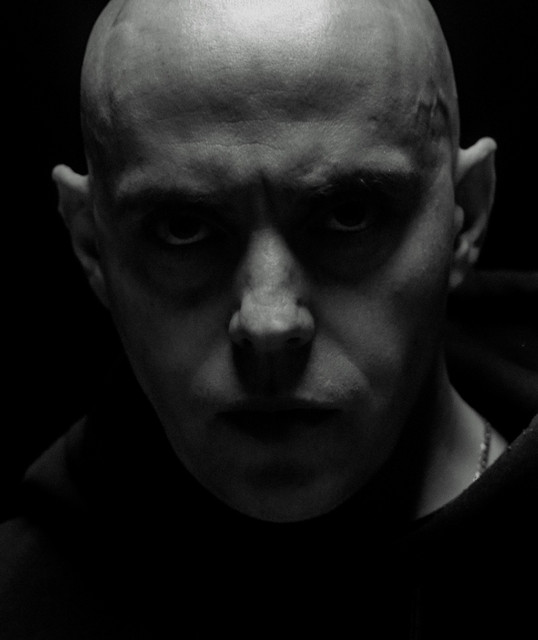
Horrorcore is a subgenre of hip hop that stages horror cinema inside a rap frame. It blends graphic, macabre imagery with storytelling, often deploying cinematic production, abrupt mood shifts, and storytelling that dwells on fear, the occult, serial-killer fantasies, and other nightmare motifs. For many listeners it’s a provocative, boundary-pushing experience; for others it’s a distinct, self-contained soundscape with its own lore, imagery, and fan culture. The result is music that can feel like a haunted night drive through a derelict carnival—dark, immersive, and sometimes confrontational.
Origins and birth: Horrorcore emerged in the United States in the late 1980s and early 1990s, coalescing around several regional scenes. Detroit’s Esham is widely cited as one of the movement’s earliest and most influential voices, merging “acid rap” with lurid horror themes on early 1990s releases that pushed the limits of what could be said in rap. In New York, the Gravediggaz—an early supergroup that included Prince Paul (and members such as Poetic and Frukwan, with later connections to RZA)—helped crystallize the sound, releasing one of the first landmark horrorcore albums with Six Feet Deep in 1991. Across Michigan, Insane Clown Posse (ICP) formed in the late 1980s and issued Carnival of Carnage in 1992, bringing a performative horror aesthetic to the fore and building a devoted, self-produced following. By the mid-1990s the term horrorcore was used more widely to describe acts that fused horror tropes with rap, beyond any single city or scene.
Key artists and ambassadors: Horrorcore has had several pivotal ambassadors who shaped its vocabulary and audience.
- Esham (Detroit): a foundational voice shaping the genre’s bleak, horror-tinged approach.
- Gravediggaz (New York): a landmark project that helped define horrorcore’s underground credibility and concept-driven horror storytelling.
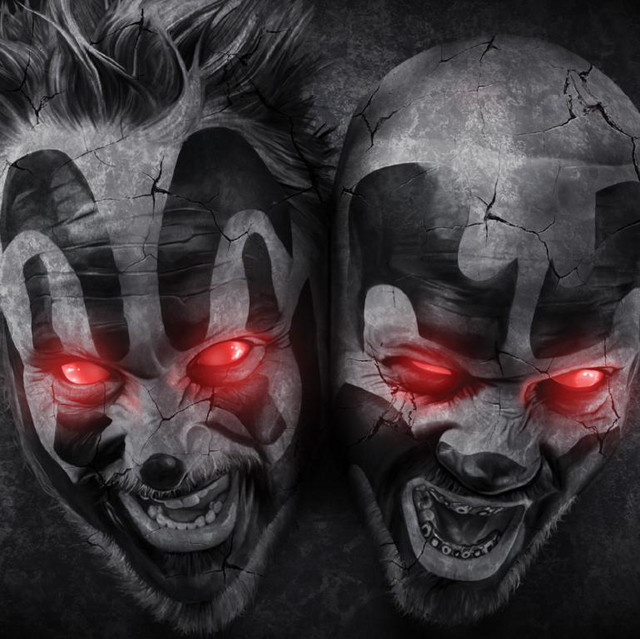
- Insane Clown Posse (Detroit): major catalysts for a long-running horror-themed universe and live-show culture, driving a large independent audience.
- Three 6 Mafia (Memphis): influential in infusing gore-forward atmosphere and raw horror imagery into Southern rap, a lineage that would influence later horrorcore currents.
- Twiztid (Michigan) and other Psychopathic affiliates: carried the torch into the late 1990s and 2000s, expanding the sound through a shared label culture and touring ethos.
- Brotha Lynch Hung (California): a West Coast voice presenting visceral horror rap with a distinctly West Coast cadence.
Where it resonates: Horrorcore remains most popular in the United States, especially in scenes surrounding Detroit and the broader Midwest, the South, and the independent-rap circuits that grew around labels like ICP’s Psychopathic Records and Esham’s Reel Life. It also has dedicated underground followings in Europe and parts of Canada, where fans revel in the genre’s theatricality, horror-film aesthetics, and anti-mainstream stance. In the streaming era, horrorcore continues to evolve—incorporating trap, punk, and electronic influences—while preserving its core love of the macabre, the cinematic, and the psychologically extreme.
If you’re exploring horrorcore as a listener, start with the foundational albums (early ICP, Esham, Gravediggaz) to hear the genre’s birth fissures and atmospheres, then branch into mid-to-late-1990s and 2000s aliases (Three 6 Mafia, Twiztid, Brotha Lynch Hung) to trace how the aesthetic diversified. It’s a provocative corner of hip hop, not for every palate, but indispensable for enthusiasts drawn to dark storytelling and daring sonic experimentations.
Origins and birth: Horrorcore emerged in the United States in the late 1980s and early 1990s, coalescing around several regional scenes. Detroit’s Esham is widely cited as one of the movement’s earliest and most influential voices, merging “acid rap” with lurid horror themes on early 1990s releases that pushed the limits of what could be said in rap. In New York, the Gravediggaz—an early supergroup that included Prince Paul (and members such as Poetic and Frukwan, with later connections to RZA)—helped crystallize the sound, releasing one of the first landmark horrorcore albums with Six Feet Deep in 1991. Across Michigan, Insane Clown Posse (ICP) formed in the late 1980s and issued Carnival of Carnage in 1992, bringing a performative horror aesthetic to the fore and building a devoted, self-produced following. By the mid-1990s the term horrorcore was used more widely to describe acts that fused horror tropes with rap, beyond any single city or scene.
Key artists and ambassadors: Horrorcore has had several pivotal ambassadors who shaped its vocabulary and audience.
- Esham (Detroit): a foundational voice shaping the genre’s bleak, horror-tinged approach.
- Gravediggaz (New York): a landmark project that helped define horrorcore’s underground credibility and concept-driven horror storytelling.
- Insane Clown Posse (Detroit): major catalysts for a long-running horror-themed universe and live-show culture, driving a large independent audience.
- Three 6 Mafia (Memphis): influential in infusing gore-forward atmosphere and raw horror imagery into Southern rap, a lineage that would influence later horrorcore currents.
- Twiztid (Michigan) and other Psychopathic affiliates: carried the torch into the late 1990s and 2000s, expanding the sound through a shared label culture and touring ethos.
- Brotha Lynch Hung (California): a West Coast voice presenting visceral horror rap with a distinctly West Coast cadence.
Where it resonates: Horrorcore remains most popular in the United States, especially in scenes surrounding Detroit and the broader Midwest, the South, and the independent-rap circuits that grew around labels like ICP’s Psychopathic Records and Esham’s Reel Life. It also has dedicated underground followings in Europe and parts of Canada, where fans revel in the genre’s theatricality, horror-film aesthetics, and anti-mainstream stance. In the streaming era, horrorcore continues to evolve—incorporating trap, punk, and electronic influences—while preserving its core love of the macabre, the cinematic, and the psychologically extreme.
If you’re exploring horrorcore as a listener, start with the foundational albums (early ICP, Esham, Gravediggaz) to hear the genre’s birth fissures and atmospheres, then branch into mid-to-late-1990s and 2000s aliases (Three 6 Mafia, Twiztid, Brotha Lynch Hung) to trace how the aesthetic diversified. It’s a provocative corner of hip hop, not for every palate, but indispensable for enthusiasts drawn to dark storytelling and daring sonic experimentations.