Genre
house latino
Top House latino Artists
Showing 25 of 92 artists

















About House latino
House Latino, or Latin house, is a sun-kissed fusion of the four-on-the-floor drive of house music with the infectious swing of Latin percussion. It emerged in the late 1990s and early 2000s as club DJs in New York, Miami, and the European circuits of Ibiza and Madrid began layering congas, timbales, brass stabs, and mambo- or salsa-inspired piano montunos over classic house grooves. The result was a sound that could move a crowded dancefloor with high-energy percussion while maintaining the hypnotic, repetitive structure that defines house. It soon spread beyond its roots, becoming a global language of danceable rhythm.
Sonic identity in house Latino centers on groove and percussion. Typical tempos hover around 120–125 BPM, keeping that sturdy house pulse. The percussion-forward approach features congas, bongos, timbales, and timbral shakers, often intertwined with Latin piano montunos, brass accents, and occasional horn lines. Vocals—often Spanish-language or bilingual—add warmth, call-and-response energy, and a sense of communal celebration. Melodic hooks may nod to salsa, mambo, samba, or reggaeton without losing the track’s house structure. The best tracks balance a bold, immediate groove with subtler rhythmic layers that reveal themselves after multiple spins, rewarding dancers who listen closely.
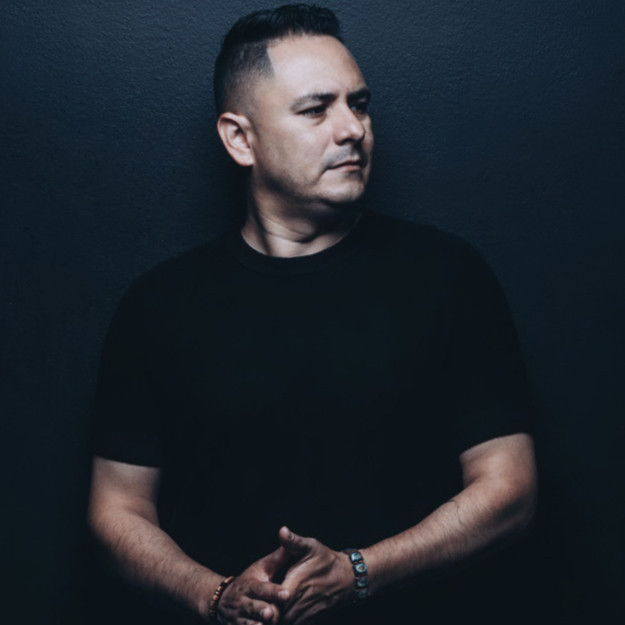
Key ambassadors and touchstones of the genre include a mix of American, European, and Latin producers who bridged cultures on the club circuit. Louie Vega (Masters at Work) helped popularize Latin-inflected house with deep, percussive grooves and collaborations that highlighted Latin vocal textures. David Morales, a pioneering figure in U.S. dance music, fused soulful house with Latin percussion aesthetics, helping the sound reach broader audiences. Miguel Migs, a cornerstone of the Naked Music/spacey house scene, brought warm basslines and Latin-flavored percussion into a global spotlight. In Europe, the Spanish duo Chus & Ceballos became synonymous with a sun-drenched, concrete-jungle Latin-house sound through their Stereo productions and residencies, influencing countless DJs across Ibiza and Madrid. Erick Morillo, with his party-driven approach to house, also helped push Latin energy into the mainstream in the late 1990s and early 2000s, contributing to the genre’s festival and radio visibility.
Latin house finds its strongest resonance where Latin heritage and dancefloor culture intersect: Spain, Mexico, Colombia, Brazil, and Argentina are especially active, alongside U.S. hubs like New York and Miami. It thrives on Ibiza’s summer stages, in Berlin’s diverse clubs, and in festival scenes across Latin America. In the streaming era, the genre continues to evolve by absorbing reggaeton-inflected rhythms, tropical-house textures, and contemporary pop collaborations, all while preserving its core focus on rhythm-forward percussion and infectious, party-ready energy.
House Latino remains a living, evolving bridge between the panoramic world of Latin music and the universal language of the dancefloor—proof that rhythm, groove, and celebration travel across borders with ease.
Sonic identity in house Latino centers on groove and percussion. Typical tempos hover around 120–125 BPM, keeping that sturdy house pulse. The percussion-forward approach features congas, bongos, timbales, and timbral shakers, often intertwined with Latin piano montunos, brass accents, and occasional horn lines. Vocals—often Spanish-language or bilingual—add warmth, call-and-response energy, and a sense of communal celebration. Melodic hooks may nod to salsa, mambo, samba, or reggaeton without losing the track’s house structure. The best tracks balance a bold, immediate groove with subtler rhythmic layers that reveal themselves after multiple spins, rewarding dancers who listen closely.
Key ambassadors and touchstones of the genre include a mix of American, European, and Latin producers who bridged cultures on the club circuit. Louie Vega (Masters at Work) helped popularize Latin-inflected house with deep, percussive grooves and collaborations that highlighted Latin vocal textures. David Morales, a pioneering figure in U.S. dance music, fused soulful house with Latin percussion aesthetics, helping the sound reach broader audiences. Miguel Migs, a cornerstone of the Naked Music/spacey house scene, brought warm basslines and Latin-flavored percussion into a global spotlight. In Europe, the Spanish duo Chus & Ceballos became synonymous with a sun-drenched, concrete-jungle Latin-house sound through their Stereo productions and residencies, influencing countless DJs across Ibiza and Madrid. Erick Morillo, with his party-driven approach to house, also helped push Latin energy into the mainstream in the late 1990s and early 2000s, contributing to the genre’s festival and radio visibility.
Latin house finds its strongest resonance where Latin heritage and dancefloor culture intersect: Spain, Mexico, Colombia, Brazil, and Argentina are especially active, alongside U.S. hubs like New York and Miami. It thrives on Ibiza’s summer stages, in Berlin’s diverse clubs, and in festival scenes across Latin America. In the streaming era, the genre continues to evolve by absorbing reggaeton-inflected rhythms, tropical-house textures, and contemporary pop collaborations, all while preserving its core focus on rhythm-forward percussion and infectious, party-ready energy.
House Latino remains a living, evolving bridge between the panoramic world of Latin music and the universal language of the dancefloor—proof that rhythm, groove, and celebration travel across borders with ease.