Genre
neo soul
Top Neo soul Artists
Showing 25 of 1,291 artists




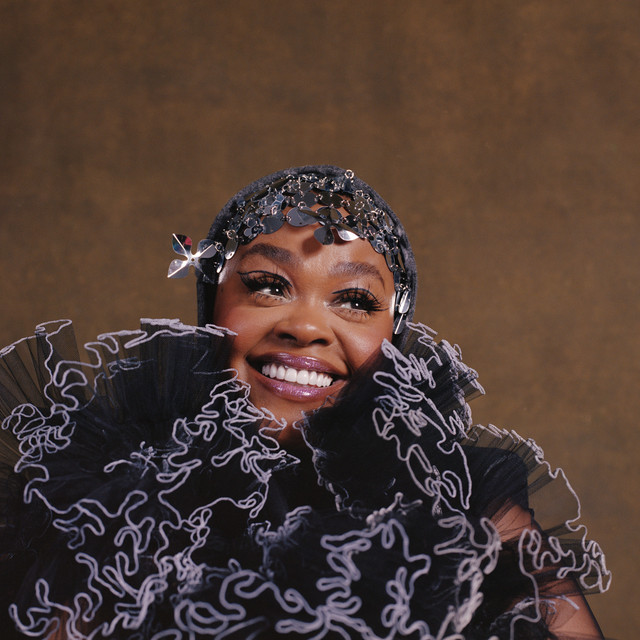
About Neo soul
Neo-soul is best understood as a movement and a mood—the late-1990s rebirth of soul music refracted through contemporary R&B, jazz, funk, and hip-hop, with a focus on emotional honesty, musical warmth, and sonic depth. It arrived as a reaction to that era’s glossy, computer-polished pop-R&B, offering instead a tactile, live-instrument approach that favored groove, nuance, and introspection. The term was popularized in the late 1990s by Kedar Massenburg, the Motown executive who described a new generation of artists as “neo-soul,” signaling a distinct lineage within the broader R&B continuum.
Origins and sound
Neo-soul codified a bridge between the classic 1960s-70s soul tradition and the urban contemporary soundscape of the 1990s and 2000s. Its hallmarks include lush, organic production with a premium on live instrumentation—guitar lines, warm bass, smoky horns, and airy piano chords—paired with vocal phrasing that can glide from warmth to grit. The genre embraces jazz-inflected chord progressions, organic grooves, and a willingness to experiment beyond conventional pop-structure arrangements. Lyrically, neo-soul often leans into spirituality, social consciousness, intimate relationships, and personal growth, delivering softer but more profound emotional textures than some early-90s pop-R&B.
Pioneering ambassadors
The movement’s core voice can be traced to:
- D’Angelo, whose Brown Sugar (1995) blended earthy funk, sultry tonal color, and cavernous vocal tones, setting a template for the era.
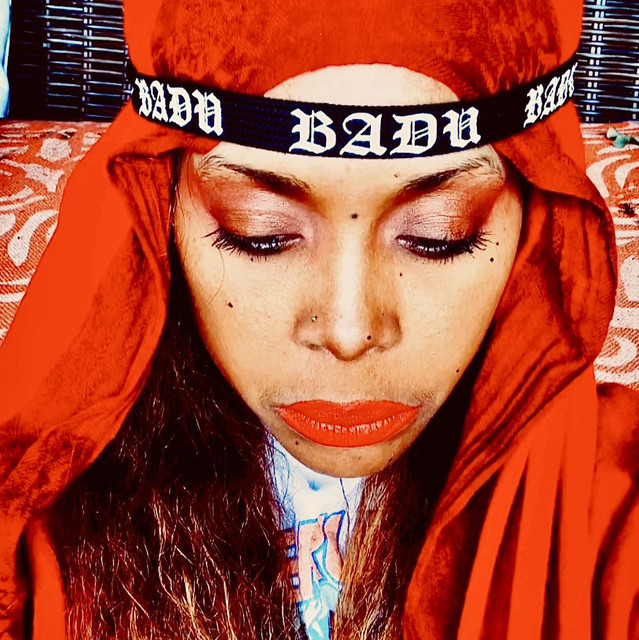
- Erykah Badu, with Baduizm (1997), whose mystique and improvisational, groove-forward approach became a touchstone for the sonic and aesthetic ethos of neo-soul.
- Maxwell, whose Urban Hang Suite (1996) offered sumptuous arrangements and a velvet-smooth vocal delivery that became inseparable from the sound.
- Jill Scott, India.Arie, and Musiq Soulchild, who carried the torch into the new millennium with debut records in the early 2000s that emphasized storytelling, warmth, and organic production.
- Lauryn Hill’s The Miseducation of Lauryn Hill (1998) remains a touchstone for the fusion of soul with other genres, even though its roots span broader Waters.
Other influential figures include Raphael Saadiq, a producer-led force who helped sustain the sound, and a wave of contemporary artists—like Jorja Smith, Anderson .Paak, H.E.R., and Leon Bridges—who continued to reinterpret neo-soul for newer generations, often blending it with hip-hop, indie sensibilities, and electronic textures.
Global reach and appeal
Neo-soul originated in the United States, where it found its primary audience and most visible pioneers. It quickly resonated in the United Kingdom and France, where critics and fans embraced its craft, warmth, and authenticity. Japan and Canada also developed dedicated followings, with local scenes and artists interpreting the aesthetic through regional influences. In recent years, the genre’s ethos has radiated further, influencing mainstream artists and contributing to a broader “conscious” or “alt-soul” language across pop and R&B.
Why fans love it
For music enthusiasts, neo-soul offers a rich palette: vintage soul’s warmth, jazz’s improvisational freedom, and modern R&B’s intimacy, all wrapped in a production philosophy that prizes nuance over immediacy. It invites repeated listening, rewarding close attention to melodic invention, lyric nuance, and the tactile feel of a well-recorded drum or a stretched vocal phrase. If you crave music that sounds human, deeply textured, and emotionally expansive, neo-soul remains a towering, ever-evolving reference point.
Origins and sound
Neo-soul codified a bridge between the classic 1960s-70s soul tradition and the urban contemporary soundscape of the 1990s and 2000s. Its hallmarks include lush, organic production with a premium on live instrumentation—guitar lines, warm bass, smoky horns, and airy piano chords—paired with vocal phrasing that can glide from warmth to grit. The genre embraces jazz-inflected chord progressions, organic grooves, and a willingness to experiment beyond conventional pop-structure arrangements. Lyrically, neo-soul often leans into spirituality, social consciousness, intimate relationships, and personal growth, delivering softer but more profound emotional textures than some early-90s pop-R&B.
Pioneering ambassadors
The movement’s core voice can be traced to:
- D’Angelo, whose Brown Sugar (1995) blended earthy funk, sultry tonal color, and cavernous vocal tones, setting a template for the era.
- Erykah Badu, with Baduizm (1997), whose mystique and improvisational, groove-forward approach became a touchstone for the sonic and aesthetic ethos of neo-soul.
- Maxwell, whose Urban Hang Suite (1996) offered sumptuous arrangements and a velvet-smooth vocal delivery that became inseparable from the sound.
- Jill Scott, India.Arie, and Musiq Soulchild, who carried the torch into the new millennium with debut records in the early 2000s that emphasized storytelling, warmth, and organic production.
- Lauryn Hill’s The Miseducation of Lauryn Hill (1998) remains a touchstone for the fusion of soul with other genres, even though its roots span broader Waters.
Other influential figures include Raphael Saadiq, a producer-led force who helped sustain the sound, and a wave of contemporary artists—like Jorja Smith, Anderson .Paak, H.E.R., and Leon Bridges—who continued to reinterpret neo-soul for newer generations, often blending it with hip-hop, indie sensibilities, and electronic textures.
Global reach and appeal
Neo-soul originated in the United States, where it found its primary audience and most visible pioneers. It quickly resonated in the United Kingdom and France, where critics and fans embraced its craft, warmth, and authenticity. Japan and Canada also developed dedicated followings, with local scenes and artists interpreting the aesthetic through regional influences. In recent years, the genre’s ethos has radiated further, influencing mainstream artists and contributing to a broader “conscious” or “alt-soul” language across pop and R&B.
Why fans love it
For music enthusiasts, neo-soul offers a rich palette: vintage soul’s warmth, jazz’s improvisational freedom, and modern R&B’s intimacy, all wrapped in a production philosophy that prizes nuance over immediacy. It invites repeated listening, rewarding close attention to melodic invention, lyric nuance, and the tactile feel of a well-recorded drum or a stretched vocal phrase. If you crave music that sounds human, deeply textured, and emotionally expansive, neo-soul remains a towering, ever-evolving reference point.