Genre
hungarian hip hop
Top Hungarian hip hop Artists
Showing 25 of 76 artists











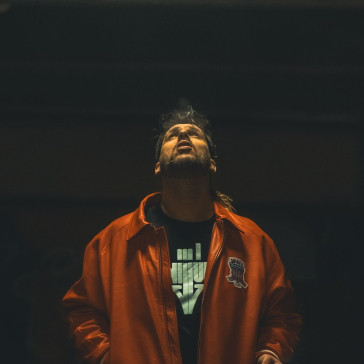



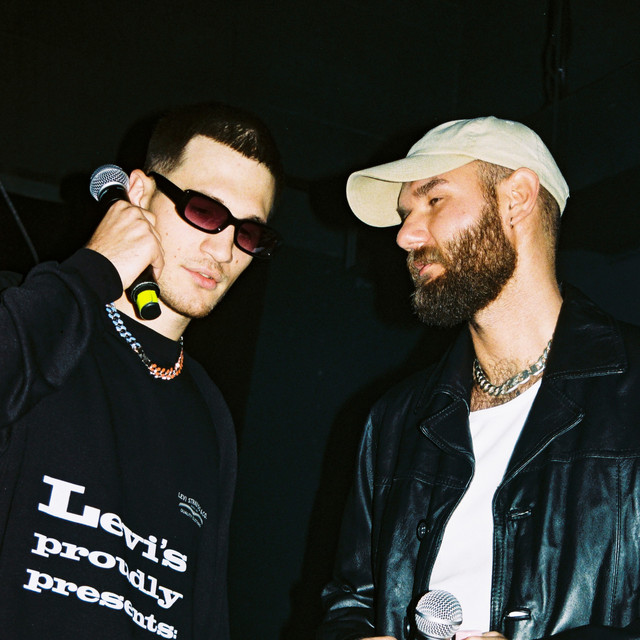

About Hungarian hip hop
Hungarian hip hop is a lively, ever-evolving branch of the larger rap family, rooted in Hungary’s urban centers and shaped by its own language, humor, and social reality. It began in the late 1980s and early 1990s as a grassroots movement in Budapest, with DJs, breakdancers, graffiti artists, and MCs trading ideas on underground stages, radio shows, and makeshift studios. The sound drew on American hip hop, but the Hungarian scene quickly forged its own cadence, slang, and storytelling approach, giving birth to a distinctly local flavor that could be brash and raw as well as clever and experimental.
From those embryonic beginnings, the genre broadened in the mid- to late 1990s. A louder, more confrontational strand emerged, often associated with gangsta rap, whose streetwise narratives and energetic delivery captured a certain urban realism. One figure frequently cited as a pioneer of this era is Ganxsta Zolee, whose group Ganxsta Zolee és a Kartel helped set a recognizable tone for Hungarian rap with aggressive flows and fearless performance. His presence marked a turning point: the Hungarian scene could be both culturally specific and internationally legible, a combination that drew young listeners into clubs, radio slots, and eventually festivals.
The 2000s and beyond saw diversification in both sound and reach. Production became more varied, mixing classic boom-bap with electronic textures, pop melodies, and later trap rhythms. Rappers began collaborating across genres, and the scene moved from tightly scoped underground venues to larger clubs and festival stages. Language played a crucial role: rhymes in Hungarian—with its rich consonant clusters, wordplay, and distinctive rhythm—gave local artists a powerful voice that could ride infectious hooks and dense verses alike. The result was a music that could tell street stories, celebrate humor and wordplay, or probe personal and political themes, all through a Hungarian lens.
Ambassadors of the genre today are not limited to a single substyle. The Hungarian hip hop community continues to honor its roots while embracing hybridity: some artists maintain gritty, street-smart sensibilities; others fuse rap with indie, electronic, or pop elements to reach broader audiences. This adaptability has helped Hungarian hip hop find listeners throughout Hungary and in neighboring regions with Hungarian-speaking populations, including parts of Romania (Transylvania), Slovakia, Serbia (Vojvodina), and Austria, as well as in the global Hungarian diaspora. Live performances, underground scenes, and online platforms keep the culture vibrant, collaborative, and accessible to curious listeners around the world.
In short, Hungarian hip hop is a culturally specific yet globally resonant movement—bold in its language, proud of its roots, and continually reinventing itself. For enthusiasts, it offers a catalog of hard-edged anthems, intricate wordplay, and the kind of social insight that comes from a community speaking to and within its own urban experience. Expect clever storytelling, energetic delivery, and a chorus that sticks in the memory long after the track ends.
From those embryonic beginnings, the genre broadened in the mid- to late 1990s. A louder, more confrontational strand emerged, often associated with gangsta rap, whose streetwise narratives and energetic delivery captured a certain urban realism. One figure frequently cited as a pioneer of this era is Ganxsta Zolee, whose group Ganxsta Zolee és a Kartel helped set a recognizable tone for Hungarian rap with aggressive flows and fearless performance. His presence marked a turning point: the Hungarian scene could be both culturally specific and internationally legible, a combination that drew young listeners into clubs, radio slots, and eventually festivals.
The 2000s and beyond saw diversification in both sound and reach. Production became more varied, mixing classic boom-bap with electronic textures, pop melodies, and later trap rhythms. Rappers began collaborating across genres, and the scene moved from tightly scoped underground venues to larger clubs and festival stages. Language played a crucial role: rhymes in Hungarian—with its rich consonant clusters, wordplay, and distinctive rhythm—gave local artists a powerful voice that could ride infectious hooks and dense verses alike. The result was a music that could tell street stories, celebrate humor and wordplay, or probe personal and political themes, all through a Hungarian lens.
Ambassadors of the genre today are not limited to a single substyle. The Hungarian hip hop community continues to honor its roots while embracing hybridity: some artists maintain gritty, street-smart sensibilities; others fuse rap with indie, electronic, or pop elements to reach broader audiences. This adaptability has helped Hungarian hip hop find listeners throughout Hungary and in neighboring regions with Hungarian-speaking populations, including parts of Romania (Transylvania), Slovakia, Serbia (Vojvodina), and Austria, as well as in the global Hungarian diaspora. Live performances, underground scenes, and online platforms keep the culture vibrant, collaborative, and accessible to curious listeners around the world.
In short, Hungarian hip hop is a culturally specific yet globally resonant movement—bold in its language, proud of its roots, and continually reinventing itself. For enthusiasts, it offers a catalog of hard-edged anthems, intricate wordplay, and the kind of social insight that comes from a community speaking to and within its own urban experience. Expect clever storytelling, energetic delivery, and a chorus that sticks in the memory long after the track ends.