Genre
hungarian rock
Top Hungarian rock Artists
Showing 25 of 90 artists



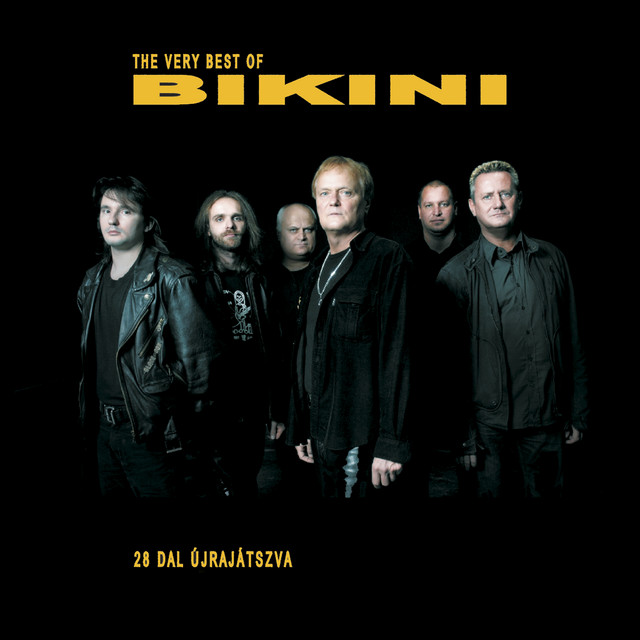








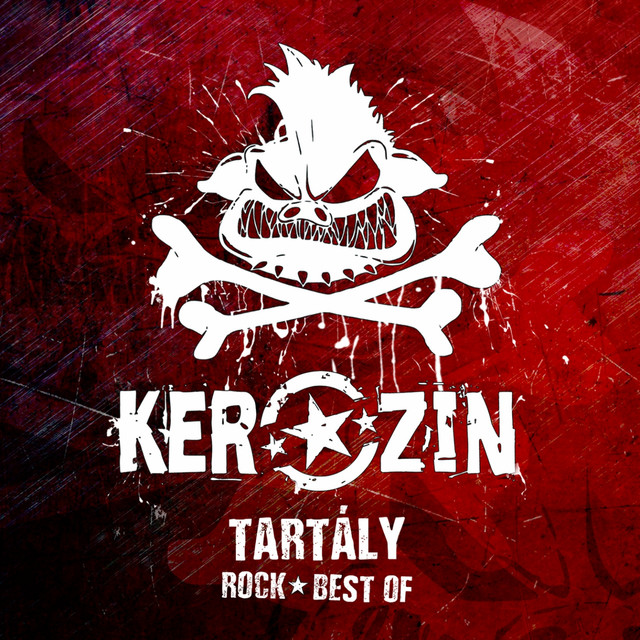





About Hungarian rock
Hungarian rock is a distinctive branch of Central European rock that grew out of Hungary’s postwar culture and the global wave of beat and rock in the 1960s. It isn’t a single sound but a tapestry that blends Western rock energy with Hungarian melodies, poetry-driven lyrics, and a knack for turning everyday life into song. From its beginnings in the late 1950s and early 1960s, the scene matured through political pressures, audience clubs, and a relentless urge to push the boundaries of language and form.
The first real pioneers arrived in the mid-1960s. Bands like Illés and Omega helped establish a national sound by fusing catchy, radio-friendly melodies with the urgency of rock and roll. Illés became a blueprint for Hungarian pop-rock: approachable tunes that carried thoughtful, sometimes poetic Hungarian lyrics and a sense of youthful swagger. Omega, equally influential, carved out a role for more expansive arrangements and a proto-prog sense of ambition, with a willingness to experiment within a pop-rock framework. Bergendy, another early pillar, contributed a melodic approach that kept one foot in folk-inflected tradition while stepping into the electric era. Together, these acts laid down a template: language-driven storytelling, accessible hooks, and a belief that Hungarian musicians could stand shoulder to shoulder with Western peers.
The 1970s brought a broader, bolder incarnation of the scene. Locomotiv GT (LGT) became a flagship of Hungarian progressive rock, pushing musicianship, complex textures, and virtuosic performances into mainstream consciousness. The era also saw heavier and harder-edged acts like P. Mobil and Karthago, who broadened the spectrum to include robust guitar riffs and endurance-spirits suited to arena and club stages alike. Beatrice emerged as a theatrical, radio-friendly force, marrying sharp social observations with a charismatic frontman’s voice. In contrast, some bands kept a more introspective or folk-tinged sensibility, showing how Hungarian rock could be both muscular and melodic. The common thread was a willingness to fuse the local language’s cadence with the international rock grammar.
Hungarian rock’s strongest ambassadorial claim is its ability to translate global influences into something recognizably Magyar. The melodies often carry a folk-inflected sweetness or a theatrical swagger, allowing listeners to feel both rooted and cosmopolitan. And then there are the songs themselves—the poetry, the imagery, the sense that rock could carry a critique or an intimate emotion without losing its edge.
In terms of reach, the genre is most popular in Hungary and among Hungarian-speaking communities in neighboring countries like Romania (Transylvania), Slovakia, and parts of Serbia and Ukraine. Beyond that, it has a modest footprint in diasporic communities across Germany and Austria, where fans discover the language and energy of Hungarian rock.
Today, Hungarian rock is not a museum piece but a living scene. Its legacy informs contemporary bands across indie, progressive, and metal subgenres, while a revival of classic acts and renewed interest in the era’s iconic records keeps the flame alive. For enthusiasts, it’s a genre that rewards close listening: the fusion of ardent rock grit with language that sings, a history of resilience, and music that remains surprisingly contemporary a generation later.
The first real pioneers arrived in the mid-1960s. Bands like Illés and Omega helped establish a national sound by fusing catchy, radio-friendly melodies with the urgency of rock and roll. Illés became a blueprint for Hungarian pop-rock: approachable tunes that carried thoughtful, sometimes poetic Hungarian lyrics and a sense of youthful swagger. Omega, equally influential, carved out a role for more expansive arrangements and a proto-prog sense of ambition, with a willingness to experiment within a pop-rock framework. Bergendy, another early pillar, contributed a melodic approach that kept one foot in folk-inflected tradition while stepping into the electric era. Together, these acts laid down a template: language-driven storytelling, accessible hooks, and a belief that Hungarian musicians could stand shoulder to shoulder with Western peers.
The 1970s brought a broader, bolder incarnation of the scene. Locomotiv GT (LGT) became a flagship of Hungarian progressive rock, pushing musicianship, complex textures, and virtuosic performances into mainstream consciousness. The era also saw heavier and harder-edged acts like P. Mobil and Karthago, who broadened the spectrum to include robust guitar riffs and endurance-spirits suited to arena and club stages alike. Beatrice emerged as a theatrical, radio-friendly force, marrying sharp social observations with a charismatic frontman’s voice. In contrast, some bands kept a more introspective or folk-tinged sensibility, showing how Hungarian rock could be both muscular and melodic. The common thread was a willingness to fuse the local language’s cadence with the international rock grammar.
Hungarian rock’s strongest ambassadorial claim is its ability to translate global influences into something recognizably Magyar. The melodies often carry a folk-inflected sweetness or a theatrical swagger, allowing listeners to feel both rooted and cosmopolitan. And then there are the songs themselves—the poetry, the imagery, the sense that rock could carry a critique or an intimate emotion without losing its edge.
In terms of reach, the genre is most popular in Hungary and among Hungarian-speaking communities in neighboring countries like Romania (Transylvania), Slovakia, and parts of Serbia and Ukraine. Beyond that, it has a modest footprint in diasporic communities across Germany and Austria, where fans discover the language and energy of Hungarian rock.
Today, Hungarian rock is not a museum piece but a living scene. Its legacy informs contemporary bands across indie, progressive, and metal subgenres, while a revival of classic acts and renewed interest in the era’s iconic records keeps the flame alive. For enthusiasts, it’s a genre that rewards close listening: the fusion of ardent rock grit with language that sings, a history of resilience, and music that remains surprisingly contemporary a generation later.