Genre
huqin
Top Huqin Artists
Showing 21 of 21 artists


4
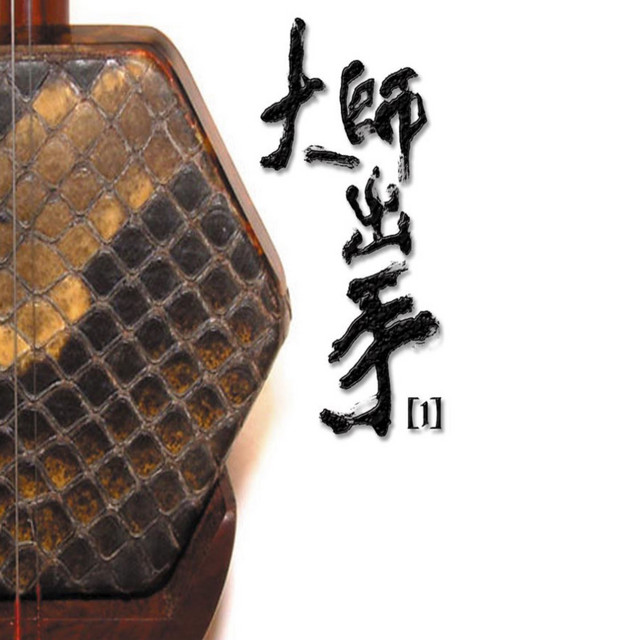
刘明源
35
69 listeners

7

段皑皑
25
11 listeners
8

吳奇峯
7
5 listeners
9

余其偉
12
4 listeners
10

王一婧
2
2 listeners
19
梁众益
-
- listeners
20
范文硕
-
- listeners
About Huqin
Huqin is not a single instrument but a family of Chinese bowed fiddle voices that share a distinctive lineage and a shared, expressive vocabulary. The best-known member is the erhu, often called the “Chinese violin” for its singing, emotive timbre. Other huqin instruments include the gaohu (higher pitched, used in Cantonese music and Chinese orchestras), zhonghu (a lower, alto counterpart), jinghu (the sharp-edged voice of Beijing opera), and gaqin or other regional variants. Together, huqin instruments form the backbone of traditional and contemporary Chinese string sounds, capable of lyrical sweetness, biting expressiveness, and lyrical, vocal-like contour.
Origins and evolution
The huqin family arose within China’s long instrumental culture and developed most visibly during the late Imperial era, with the erhu emerging as the central form in the Qing period. Its design—a two-string fiddle with a bow threaded between the strings, a soundbox typically clad in snakeskin, and a tall neck—allowed intense expressivity in a compact, portable instrument. By the 20th century, erhu and its kin became essential in both Beijing opera accompaniment and modern Chinese orchestras. In later decades, huqin instruments crossed borders, appearing in world-music ensembles and film scores, while continuing to anchor traditional performances.
Technique and sound
Typically played upright on the left thigh or resting on the knee, the erhu’s bow is bound to the instrument’s neck, placing the performer’s left hand on the two strings to produce pitch while shaping tone with vibrato, portamento, and nuanced bowing. The result is a voice that can tremble with a wistful sigh, leap into bright, singing highs, or glide through haunting, lingering phrases. The different huqin voices—gaohu’s bright, near-soprano ring; zhonghu’s deeper, cello-like warmth; jinghu’s crisp, Beijing-opera edge—offer a wide tonal palette for both solo display and orchestral texture.
Repertoire and cultural role
In traditional settings, huqin instruments color Beijing opera, regional folk ensembles, and temple and court music, where their immediacy and nuance carry emotion with clarity. In modern contexts, composers write concert works and film scores that spotlight huqin timbres, blending them with Western orchestration, electronics, and cross-cultural collaborations. The erhu, in particular, is prized for its ability to mimic human speech and emotion, making it a favorite for both intimate recital pieces and cinematic moments.
Ambassadors and notable figures
Historically important figures include Liu Tianhua, a pivotal pedagogue and composer who helped shape modern erhu technique and repertoire, and Guan Pinghu, renowned for his lyrical style and a defining voice in 20th-century erhu performance. In contemporary contexts, the erhu and other huqin voices appear in film music and cross-cultural projects, with composers such as Tan Dun contributing to the instrument’s global visibility through scores and concert works that feature erhu prominently.
Global reach
Today, huqin instruments are most popular in China, Taiwan, Hong Kong, Singapore, and Malaysia, with strong diasporic communities worldwide. In the West, they appear in orchestral programs, world-music concerts, and collaborations that fuse traditional Chinese timbres with jazz, folk, and contemporary classical idioms. For enthusiasts, the huqin offers an intimate window into Chinese musical aesthetics—where tempo, nuance, and expressivity converge in a single, eloquent bow stroke. Listening to Liu Tianhua’s erhu pieces, Guan Pinghu’s recordings, or Tan Dun’s scores provides a clear entry point into this richly emotive family of instruments.
Origins and evolution
The huqin family arose within China’s long instrumental culture and developed most visibly during the late Imperial era, with the erhu emerging as the central form in the Qing period. Its design—a two-string fiddle with a bow threaded between the strings, a soundbox typically clad in snakeskin, and a tall neck—allowed intense expressivity in a compact, portable instrument. By the 20th century, erhu and its kin became essential in both Beijing opera accompaniment and modern Chinese orchestras. In later decades, huqin instruments crossed borders, appearing in world-music ensembles and film scores, while continuing to anchor traditional performances.
Technique and sound
Typically played upright on the left thigh or resting on the knee, the erhu’s bow is bound to the instrument’s neck, placing the performer’s left hand on the two strings to produce pitch while shaping tone with vibrato, portamento, and nuanced bowing. The result is a voice that can tremble with a wistful sigh, leap into bright, singing highs, or glide through haunting, lingering phrases. The different huqin voices—gaohu’s bright, near-soprano ring; zhonghu’s deeper, cello-like warmth; jinghu’s crisp, Beijing-opera edge—offer a wide tonal palette for both solo display and orchestral texture.
Repertoire and cultural role
In traditional settings, huqin instruments color Beijing opera, regional folk ensembles, and temple and court music, where their immediacy and nuance carry emotion with clarity. In modern contexts, composers write concert works and film scores that spotlight huqin timbres, blending them with Western orchestration, electronics, and cross-cultural collaborations. The erhu, in particular, is prized for its ability to mimic human speech and emotion, making it a favorite for both intimate recital pieces and cinematic moments.
Ambassadors and notable figures
Historically important figures include Liu Tianhua, a pivotal pedagogue and composer who helped shape modern erhu technique and repertoire, and Guan Pinghu, renowned for his lyrical style and a defining voice in 20th-century erhu performance. In contemporary contexts, the erhu and other huqin voices appear in film music and cross-cultural projects, with composers such as Tan Dun contributing to the instrument’s global visibility through scores and concert works that feature erhu prominently.
Global reach
Today, huqin instruments are most popular in China, Taiwan, Hong Kong, Singapore, and Malaysia, with strong diasporic communities worldwide. In the West, they appear in orchestral programs, world-music concerts, and collaborations that fuse traditional Chinese timbres with jazz, folk, and contemporary classical idioms. For enthusiasts, the huqin offers an intimate window into Chinese musical aesthetics—where tempo, nuance, and expressivity converge in a single, eloquent bow stroke. Listening to Liu Tianhua’s erhu pieces, Guan Pinghu’s recordings, or Tan Dun’s scores provides a clear entry point into this richly emotive family of instruments.