Genre
icelandic black metal
Top Icelandic black metal Artists
Showing 4 of 4 artists
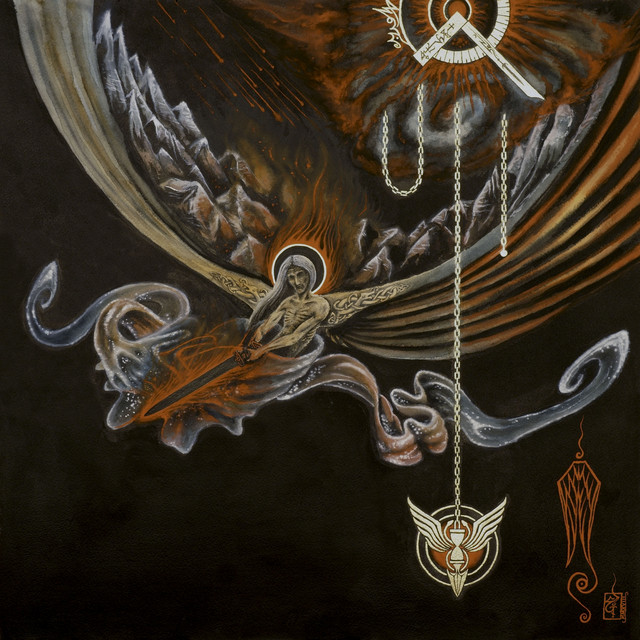

About Icelandic black metal
Icelandic black metal is a distinctly frosty branch of the metal tree, rooted in the volcanic landscapes and stark isolation of Iceland. It emerged in the late 2000s to early 2010s as a part of a broader Nordic revival, but quickly carved out its own sonic identity: furnace-hot aggression tempered by glacial atmosphere, and a willingness to push ritual, atmosphere, and abstraction beyond conventional black metal tones. The result is music that feels both ancient and newly hazardous, like a windswept expanse where silent fjords can erupt into storm.
A defining hallmark of the scene is its underground culture. Reykjavík has long been the scene’s epicenter, but ideas have traveled through DIY labels, small press compilations, and fingertip access to international networks. The Icelandic wave is not about theatricality or brute shock; it’s about atmosphere as a weapon and minimalism as a language. Composition often favors hypnotic riffs, tremolo-picked textures, and sections that breathe—long breaths of reverb and percussion that mimic the country’s cavernous landscapes. Vocals tend to be aggressive and raw, sometimes buried in the mix, sometimes piercing through the haze like a beacon in a blizzard. Production leans toward a raw, uncompromising feel that preserves the intensity of live performance while letting the mood saturate the listener’s bones.
Among the genre’s ambassadors, a few names stand out for their influence and international reach. Misþyrming is widely regarded as a touchstone act; their work helped illuminate Icelandic black metal for a global audience and set a benchmark for intensity and atmosphere. Svartidauði is another cornerstone, known for ritual density and magnetic, nearly unbearable mood shifts that fuse the grotesque with the sublime. Sinmara, often associated with the same circle as Misþyrming, expanded the sound with a similar appetite for ritualistic blast and hypnotic repetition. Naðra rounds out the quartet as a key voice in the scene, bringing a brutal, uncompromising edge that coexists with the more hypnotic and melodic tendencies of their peers. Together, these bands gave Iceland a clear, recognized identity within the black metal universe and inspired a new generation of acts exploring similar terrain.
In terms of appeal, Icelandic black metal tends to attract listeners who crave extremes laced with atmosphere: music enthusiasts who value mood over melody alone, who hear myth and landscape embedded in dissonance, and who appreciate the discipline of restraint as much as the shock of ferocity. Internationally, the scene remains a tightly knit but globally influential thread within European and North American underground scenes; it has found appreciators in regions where cold, austere black metal resonates with personal or ecological anxieties, as well as among listeners drawn to music that feels purposefully austere and uncompromising.
Today the Icelandic black metal panorama continues to evolve, drawing on its roots while inviting cross-pollination with experimental, ambient, and extreme metal forms. Its identity—icy, relentless, and deeply ritual—remains a powerful signal to fans worldwide: this is a sound that honors the landscape’s silence even as it shatters it.
A defining hallmark of the scene is its underground culture. Reykjavík has long been the scene’s epicenter, but ideas have traveled through DIY labels, small press compilations, and fingertip access to international networks. The Icelandic wave is not about theatricality or brute shock; it’s about atmosphere as a weapon and minimalism as a language. Composition often favors hypnotic riffs, tremolo-picked textures, and sections that breathe—long breaths of reverb and percussion that mimic the country’s cavernous landscapes. Vocals tend to be aggressive and raw, sometimes buried in the mix, sometimes piercing through the haze like a beacon in a blizzard. Production leans toward a raw, uncompromising feel that preserves the intensity of live performance while letting the mood saturate the listener’s bones.
Among the genre’s ambassadors, a few names stand out for their influence and international reach. Misþyrming is widely regarded as a touchstone act; their work helped illuminate Icelandic black metal for a global audience and set a benchmark for intensity and atmosphere. Svartidauði is another cornerstone, known for ritual density and magnetic, nearly unbearable mood shifts that fuse the grotesque with the sublime. Sinmara, often associated with the same circle as Misþyrming, expanded the sound with a similar appetite for ritualistic blast and hypnotic repetition. Naðra rounds out the quartet as a key voice in the scene, bringing a brutal, uncompromising edge that coexists with the more hypnotic and melodic tendencies of their peers. Together, these bands gave Iceland a clear, recognized identity within the black metal universe and inspired a new generation of acts exploring similar terrain.
In terms of appeal, Icelandic black metal tends to attract listeners who crave extremes laced with atmosphere: music enthusiasts who value mood over melody alone, who hear myth and landscape embedded in dissonance, and who appreciate the discipline of restraint as much as the shock of ferocity. Internationally, the scene remains a tightly knit but globally influential thread within European and North American underground scenes; it has found appreciators in regions where cold, austere black metal resonates with personal or ecological anxieties, as well as among listeners drawn to music that feels purposefully austere and uncompromising.
Today the Icelandic black metal panorama continues to evolve, drawing on its roots while inviting cross-pollination with experimental, ambient, and extreme metal forms. Its identity—icy, relentless, and deeply ritual—remains a powerful signal to fans worldwide: this is a sound that honors the landscape’s silence even as it shatters it.