Genre
icelandic pop
Top Icelandic pop Artists
Showing 25 of 156 artists























About Icelandic pop
Icelandic pop is a vivid, border-crossing strand of modern music that comes from a country with a population smaller than many neighborhoods. It is defined less by a single sound than by a shared impulse: to make pop that feels spacious, emotionally direct, and nervously polished, often wrapped in glacial textures, shimmering electronics, and clean, precise melodies. The result is pop that can be intimate and fragile one moment, hooky and anthemic the next, always with a Nordic sense of mood and craft.
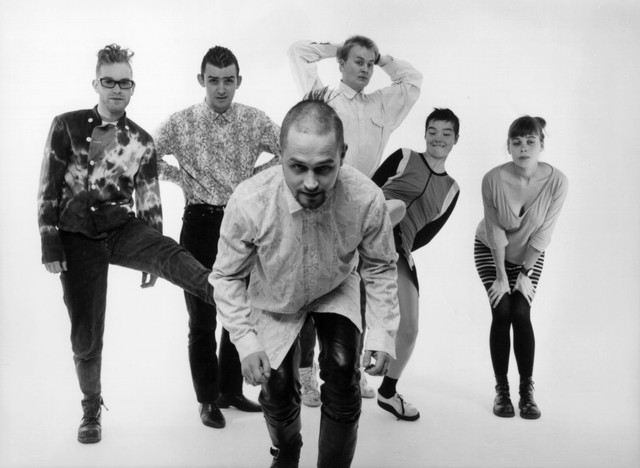
The roots of Icelandic pop reach back to the late 1980s and the emergence of The Sugarcubes, whose breakthrough international hit helped put Iceland on the global map. From there, Björk’s trajectory—first with the Sugarcubes and then a long, fearless solo career—set a template for Icelandic pop: fearless experimentation married to pop accessibility. Her international breakthrough in the early 1990s opened doors for a generation of Icelandic artists to aim for large audiences without sacrificing distinctive identity. The ecosystem around her—indie labels like Bad Taste and Smekkleysa, a tightly knit Reykjavík scene, and a culture that rewards musical curiosity—nurtured a steady stream of pop, electronic, and indie acts through the 1990s and 2000s.
Icelandic pop is characterized by a willingness to blend genres. It has absorbed synth-pop’s clarity, electronic atmospheres, trip-hop’s cool sonics, and indie-folk’s storytelling sensibilities, then delivered these with meticulous production. Many artists sing in English to reach wider audiences, while others pursue Icelandic-language projects that emphasize local lyrical beauty and phonetic experiment. The result is a sound that can feel intimate and frosty, yet expansive and radio-ready.
Key ambassadors and trailblazers include Björk as the quintessential Icelandic pop icon—an artist whose influence extends far beyond her homeland. In the 2000s and 2010s, acts like Emilíana Torrini, known for her melodic, singer-songwriter electronic pop; GusGus, a longtime electronic/pop collective; and, later, bands such as Of Monsters and Men and Kaleo, helped bring Icelandic pop into international living rooms with memorable hooks and strong stage presence. Of Monsters and Men’s “Little Talks” and Kaleo’s bluesy rock-pop crossovers became entry points for many listeners, while a new wave of Icelandic producers and collaborators continued to refine the sound from within the island’s studios.
Icelandic pop has found its strongest audiences in Europe, the United Kingdom, and North America, where streaming and international tours have allowed its distinctive mood and craftsmanship to resonate. Beyond commercial hits, the genre is celebrated for its approach to mood, texture, and narrative—qualities that music enthusiasts prize when exploring how a small country can generate music with global reach.
For enthusiasts, Icelandic pop offers a laboratory of precision and imagination: memorable melodies built on cool, crisp production; lyrics that can be direct or oblique; and a cultural sensibility that values both emotional candor and musical experimentation. It’s a genre that invites attentive listening and repeated discoveries, a reminder that size does not limit the reach of a bold, well-made pop song.
The roots of Icelandic pop reach back to the late 1980s and the emergence of The Sugarcubes, whose breakthrough international hit helped put Iceland on the global map. From there, Björk’s trajectory—first with the Sugarcubes and then a long, fearless solo career—set a template for Icelandic pop: fearless experimentation married to pop accessibility. Her international breakthrough in the early 1990s opened doors for a generation of Icelandic artists to aim for large audiences without sacrificing distinctive identity. The ecosystem around her—indie labels like Bad Taste and Smekkleysa, a tightly knit Reykjavík scene, and a culture that rewards musical curiosity—nurtured a steady stream of pop, electronic, and indie acts through the 1990s and 2000s.
Icelandic pop is characterized by a willingness to blend genres. It has absorbed synth-pop’s clarity, electronic atmospheres, trip-hop’s cool sonics, and indie-folk’s storytelling sensibilities, then delivered these with meticulous production. Many artists sing in English to reach wider audiences, while others pursue Icelandic-language projects that emphasize local lyrical beauty and phonetic experiment. The result is a sound that can feel intimate and frosty, yet expansive and radio-ready.
Key ambassadors and trailblazers include Björk as the quintessential Icelandic pop icon—an artist whose influence extends far beyond her homeland. In the 2000s and 2010s, acts like Emilíana Torrini, known for her melodic, singer-songwriter electronic pop; GusGus, a longtime electronic/pop collective; and, later, bands such as Of Monsters and Men and Kaleo, helped bring Icelandic pop into international living rooms with memorable hooks and strong stage presence. Of Monsters and Men’s “Little Talks” and Kaleo’s bluesy rock-pop crossovers became entry points for many listeners, while a new wave of Icelandic producers and collaborators continued to refine the sound from within the island’s studios.
Icelandic pop has found its strongest audiences in Europe, the United Kingdom, and North America, where streaming and international tours have allowed its distinctive mood and craftsmanship to resonate. Beyond commercial hits, the genre is celebrated for its approach to mood, texture, and narrative—qualities that music enthusiasts prize when exploring how a small country can generate music with global reach.
For enthusiasts, Icelandic pop offers a laboratory of precision and imagination: memorable melodies built on cool, crisp production; lyrics that can be direct or oblique; and a cultural sensibility that values both emotional candor and musical experimentation. It’s a genre that invites attentive listening and repeated discoveries, a reminder that size does not limit the reach of a bold, well-made pop song.