Genre
idol game
Top Idol game Artists
Showing 22 of 22 artists

2
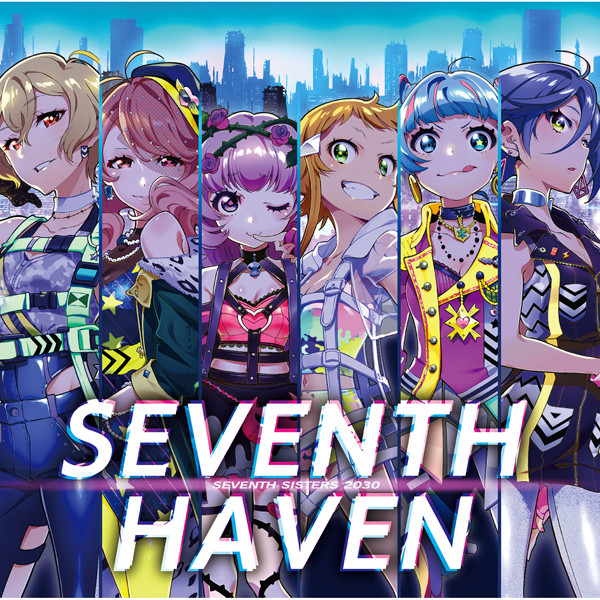
セブンスシスターズ
6,516
4,565 listeners


8

オルタンシア
1,962
1,034 listeners
9
日高里菜
58
787 listeners
10
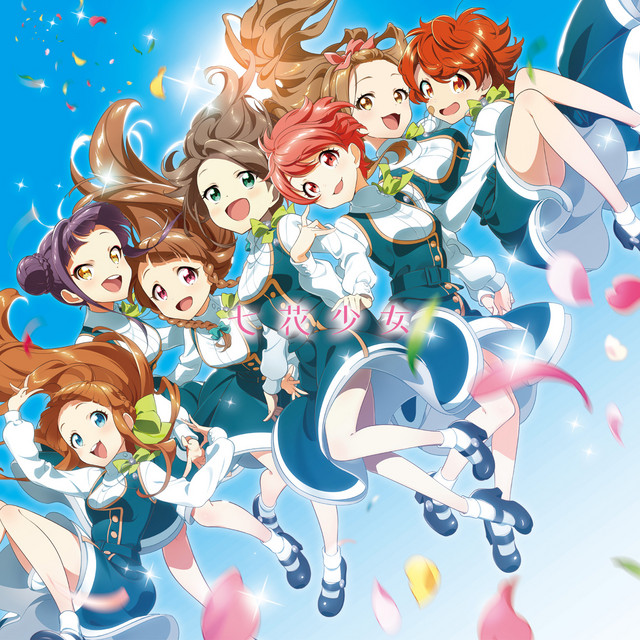
七花少女
Japan
1,769
775 listeners


16

ここぱんな
395
220 listeners

About Idol game
Idol game is a cross-media music phenomenon that blends Japanese idol culture with interactive, game-driven experiences. At its core, it presents fictional or semi-fictional pop idols as the protagonists of a multimedia storyline: there are original songs, planned live performances, anime or manga tie-ins, and often a playable component that lets fans train, manage, or perform with the idols. The result is a genre of music that is as much about performance, fandom, and storytelling as about the songs themselves.
Origins and birth of the genre
The genre’s industry-defining moment came in the mid-2000s with The Idolm@ster, a franchise that began as a video game and expanded into a sprawling media mix: anime adaptations, concert tours, character singles, and stage performances. The premise—cultivating a group of aspiring idols, guiding their careers, and releasing music tied to their personas—set a blueprint for later titles. From there, the concept grew beyond straight rhythm games to become a broader ecosystem in which music, character-led narratives, and interactive fan participation reinforce each other. By the early 2010s, a new wave of idol-centered rhythm and management games began to dominate the scene.
Key franchises and ambassadors of the genre
- The Idolm@ster, in its various iterations, remains a foundational reference point, illustrating how a core concept can sustain decades of music releases, live events, and cross-media storytelling.
- Love Live! School Idol Project and its successors (μ’s and Aqours, as well as Nijigasaki) popularized the mobile rhythm game format, with Love Live! School Idol Festival (launched 2013 in Japan) becoming a global touchstone for “idol game” aesthetics: bright pop aesthetics, synchronized dance-choreography, and songs crafted to fit in-game rhythm challenges.
- BanG Dream! expanded the model by combining a girl-group concept with a fully realized live-performance element: in-game rhythm battles, original rock-inflected pop songs, and real-world concerts by the bands formed within the franchise (Poppin’Party, Roselia, Afterglow, and others).
- IDOLiSH7 and similar contemporary titles further diversified the genre, pairing idol-management or rhythm gameplay with anime-style storytelling and frequent cross-media releases.
Musical and stylistic traits
Songs tend to emphasize bright, hook-heavy pop, often with anime-inflected vocal timbres and polished production. Genres within the music span J-pop, electropop, dance, and rock-infused ballads, all tailored to support in-game performance mechanics. Vocals are typically recorded by voice actors or dedicated idol groups, and many tracks are released as singles or part of larger albums tied to the franchise. The visual presentation—costumes, choreography, and character backstories—serves as a key driver of fan engagement.
Geography and audience
Japan is the heartland and primary production hub for idol-game music, but the model has cultivated robust fan communities across East Asia and increasingly in North America and Europe through localized releases, subtitles, and cross-cultural events. The genre thrives on live performances, fan events, and online communities where fans follow the idols’ progress, participate in songs, and celebrate new releases.
Today and beyond
The idol game genre continues to evolve with new platforms, cross-media collaborations, and evolving monetization models (including collectible in-game items and character unlocks). Its core appeal remains the same: a richly produced musical universe where fans engage with idol personas through performance, storytelling, and community. For music enthusiasts, the genre offers a distinctive blend of catchy pop craftsmanship, vibrant audiovisual storytelling, and participatory fan culture that’s unique to the intersection of music and gaming.
Origins and birth of the genre
The genre’s industry-defining moment came in the mid-2000s with The Idolm@ster, a franchise that began as a video game and expanded into a sprawling media mix: anime adaptations, concert tours, character singles, and stage performances. The premise—cultivating a group of aspiring idols, guiding their careers, and releasing music tied to their personas—set a blueprint for later titles. From there, the concept grew beyond straight rhythm games to become a broader ecosystem in which music, character-led narratives, and interactive fan participation reinforce each other. By the early 2010s, a new wave of idol-centered rhythm and management games began to dominate the scene.
Key franchises and ambassadors of the genre
- The Idolm@ster, in its various iterations, remains a foundational reference point, illustrating how a core concept can sustain decades of music releases, live events, and cross-media storytelling.
- Love Live! School Idol Project and its successors (μ’s and Aqours, as well as Nijigasaki) popularized the mobile rhythm game format, with Love Live! School Idol Festival (launched 2013 in Japan) becoming a global touchstone for “idol game” aesthetics: bright pop aesthetics, synchronized dance-choreography, and songs crafted to fit in-game rhythm challenges.
- BanG Dream! expanded the model by combining a girl-group concept with a fully realized live-performance element: in-game rhythm battles, original rock-inflected pop songs, and real-world concerts by the bands formed within the franchise (Poppin’Party, Roselia, Afterglow, and others).
- IDOLiSH7 and similar contemporary titles further diversified the genre, pairing idol-management or rhythm gameplay with anime-style storytelling and frequent cross-media releases.
Musical and stylistic traits
Songs tend to emphasize bright, hook-heavy pop, often with anime-inflected vocal timbres and polished production. Genres within the music span J-pop, electropop, dance, and rock-infused ballads, all tailored to support in-game performance mechanics. Vocals are typically recorded by voice actors or dedicated idol groups, and many tracks are released as singles or part of larger albums tied to the franchise. The visual presentation—costumes, choreography, and character backstories—serves as a key driver of fan engagement.
Geography and audience
Japan is the heartland and primary production hub for idol-game music, but the model has cultivated robust fan communities across East Asia and increasingly in North America and Europe through localized releases, subtitles, and cross-cultural events. The genre thrives on live performances, fan events, and online communities where fans follow the idols’ progress, participate in songs, and celebrate new releases.
Today and beyond
The idol game genre continues to evolve with new platforms, cross-media collaborations, and evolving monetization models (including collectible in-game items and character unlocks). Its core appeal remains the same: a richly produced musical universe where fans engage with idol personas through performance, storytelling, and community. For music enthusiasts, the genre offers a distinctive blend of catchy pop craftsmanship, vibrant audiovisual storytelling, and participatory fan culture that’s unique to the intersection of music and gaming.