Genre
idol rock
Top Idol rock Artists
Showing 25 of 25 artists
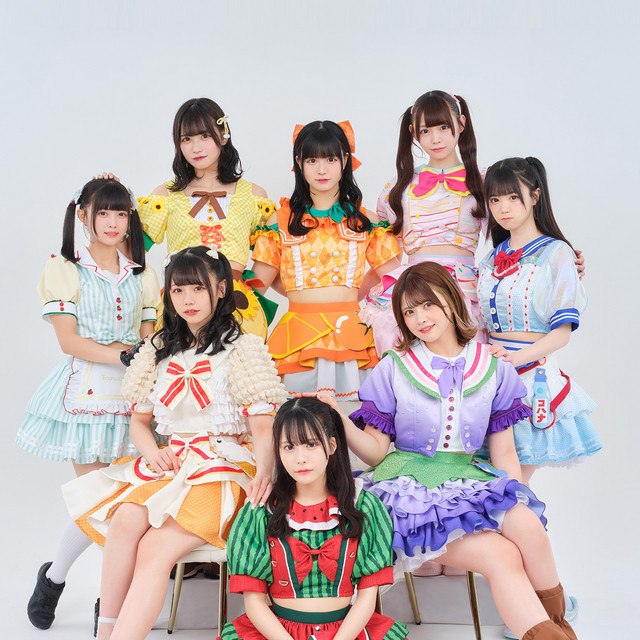
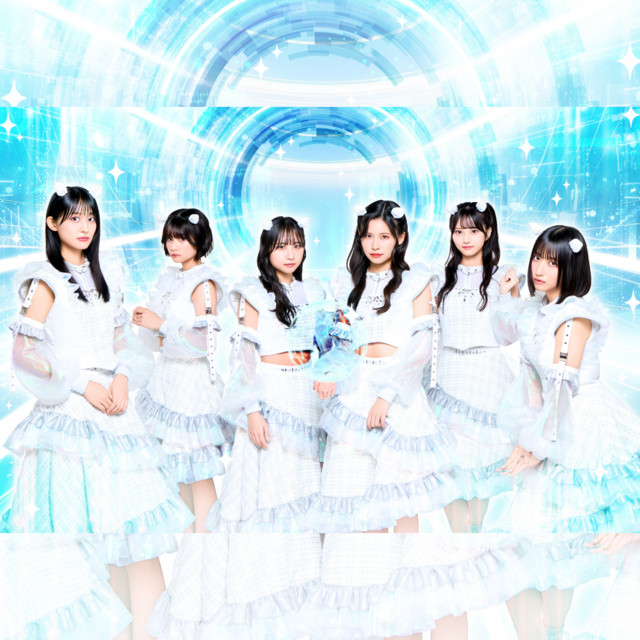
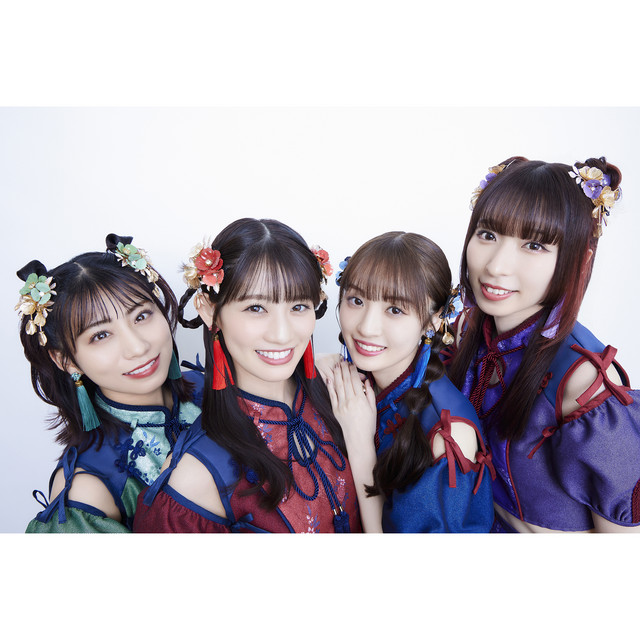
4
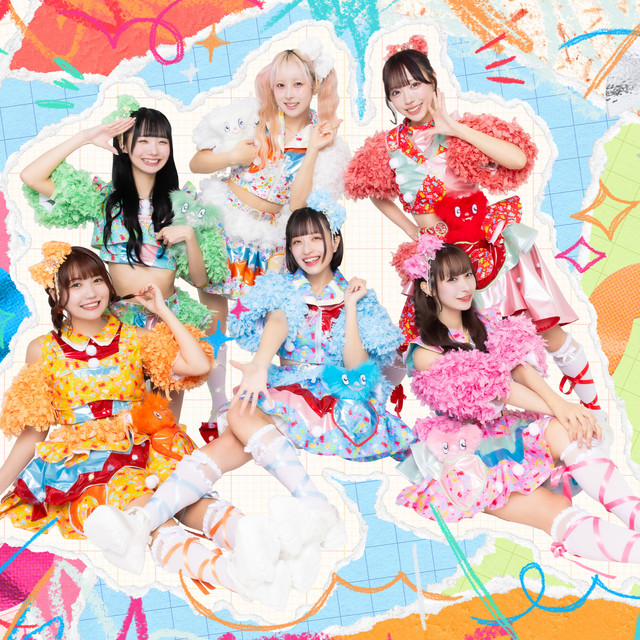
クマリデパート
Japan
6,118
3,878 listeners
5

雨模様のソラリス
2,841
1,609 listeners

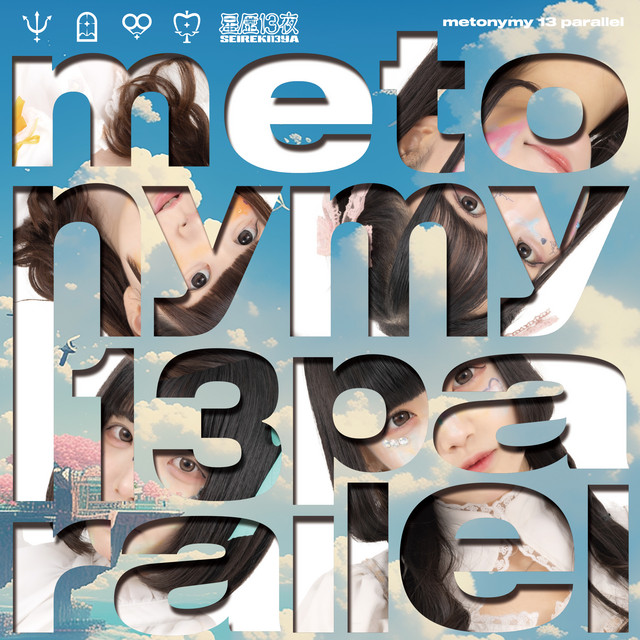

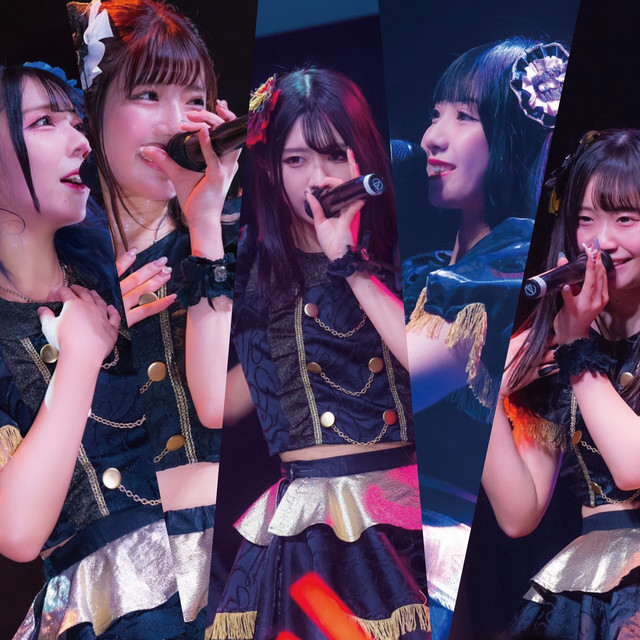

11

ワールズエンド。
Japan
1,161
304 listeners


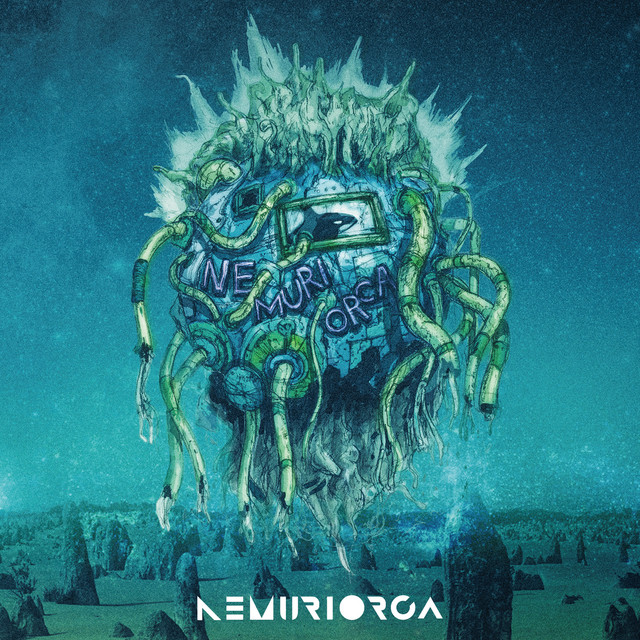
15

絶対直球女子!プレイボールズ
Japan
756
120 listeners

17

鶯籠
1,276
74 listeners
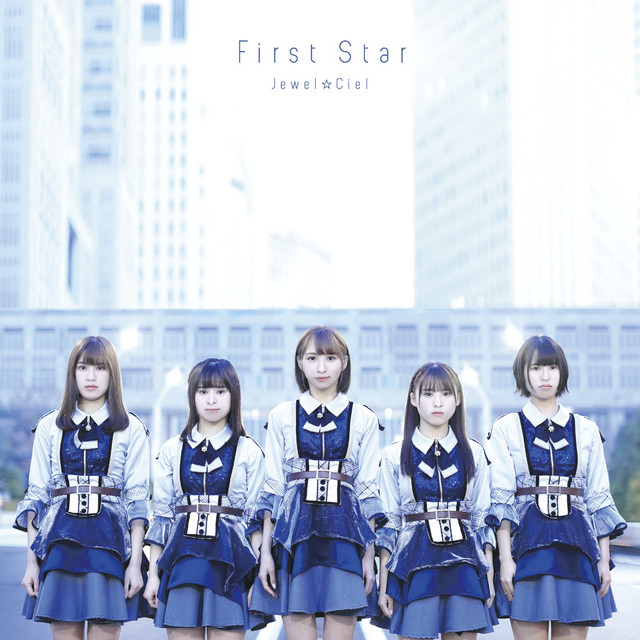
19

さきどり発信局
484
19 listeners


About Idol rock
Idol rock is a crossbreed of pop idol aesthetics and guitar-driven rock energy. It sits at the intersection where image-conscious, choreographed idol acts meet bands that lean into electric guitars, pounding drums, and a rebellious, sometimes edgy attitude. What ties the sound together is not a single template, but a philosophy: make music that feels glossy and accessible like pop, yet loud and direct enough to satisfy rock fans.
The genre’s birth is best understood as a gradual evolution within Japan’s expansive idol culture. Since the late 1990s and early 2000s, Japanese idols began to flirt with rock elements—snappier guitars, faster tempos, and sharper stage personas—without abandoning the catchy melodies and polished production that define idol pop. This fusion gained momentum through the 2000s and into the 2010s as bands and groups experimented with a more live, instrument-driven sound while keeping the image-driven appeal of idols. The result was a spectrum, from lighter, pop-leaning acts to tougher, guitar-forward projects that still operated within the idol ecosystem.
Several acts are frequently cited as ambassadors of idol rock, each signaling a different shade of the style. SCANDAL, a four-piece all-female band formed in Osaka in 2006, became one of the most visible bridges between idol branding and rock legitimacy. Their image could be sweet and approachable, but their music—hook-laden riffs, energetic live shows, and relatable themes—pushed into true rock territory. Babymetal, formed in 2010, popularized a more extreme fusion—often labeled “kawaii metal”—that combines idol visuals with heavy metal ferocity and large-scale international tours. Band-Maid, founded in 2013, leans into a maid- outfit aesthetic while delivering hard-hitting rock with tight musicianship, earning a global fanbase through steady touring and distinctive identity. These acts illustrate the genre’s diversity: from pop-friendly accessibility to metal-inflected bravado, all under the umbrella of idol culture.
Geographically, idol rock is most deeply rooted in Japan, where the idol system is most developed and where fans routinely celebrate both the music and the spectacle of performance. Outside Japan, the movement has attracted niche but passionate followings—especially in parts of Asia and among Western listeners drawn to Babymetal’s breakout moments and Band-Maid’s international touring. In recent years, festivals and clubs in North America and Europe have hosted acts that fuse idol aesthetics with rock energy, helping the sound circulate beyond its Japanese origin.
Musically, idol rock balances melody and maturity. You’ll hear bright, infectious hooks, guitar riffs, and punchy drums, all wrapped in polished studio production. Vocals can lean poppiness and warmth, or push into more aggressive, rock-oriented timbres. Lyrics often dwell on youth, dreams, and communal experiences—themes that resonate with fans who embrace both the comfort of familiar idol imagery and the exhilaration of live rock performance. The genre’s appeal lies in its dual promise: music that feels intimate and image-conscious at once, and live energy that can unleash a stadium-ready roar.
For curious listeners, exploring SCANDAL, Babymetal, and Band-Maid offers a solid map of idol rock’s range—from teen-pop-friendly tunes to heavyweight, guitar-led anthems.
The genre’s birth is best understood as a gradual evolution within Japan’s expansive idol culture. Since the late 1990s and early 2000s, Japanese idols began to flirt with rock elements—snappier guitars, faster tempos, and sharper stage personas—without abandoning the catchy melodies and polished production that define idol pop. This fusion gained momentum through the 2000s and into the 2010s as bands and groups experimented with a more live, instrument-driven sound while keeping the image-driven appeal of idols. The result was a spectrum, from lighter, pop-leaning acts to tougher, guitar-forward projects that still operated within the idol ecosystem.
Several acts are frequently cited as ambassadors of idol rock, each signaling a different shade of the style. SCANDAL, a four-piece all-female band formed in Osaka in 2006, became one of the most visible bridges between idol branding and rock legitimacy. Their image could be sweet and approachable, but their music—hook-laden riffs, energetic live shows, and relatable themes—pushed into true rock territory. Babymetal, formed in 2010, popularized a more extreme fusion—often labeled “kawaii metal”—that combines idol visuals with heavy metal ferocity and large-scale international tours. Band-Maid, founded in 2013, leans into a maid- outfit aesthetic while delivering hard-hitting rock with tight musicianship, earning a global fanbase through steady touring and distinctive identity. These acts illustrate the genre’s diversity: from pop-friendly accessibility to metal-inflected bravado, all under the umbrella of idol culture.
Geographically, idol rock is most deeply rooted in Japan, where the idol system is most developed and where fans routinely celebrate both the music and the spectacle of performance. Outside Japan, the movement has attracted niche but passionate followings—especially in parts of Asia and among Western listeners drawn to Babymetal’s breakout moments and Band-Maid’s international touring. In recent years, festivals and clubs in North America and Europe have hosted acts that fuse idol aesthetics with rock energy, helping the sound circulate beyond its Japanese origin.
Musically, idol rock balances melody and maturity. You’ll hear bright, infectious hooks, guitar riffs, and punchy drums, all wrapped in polished studio production. Vocals can lean poppiness and warmth, or push into more aggressive, rock-oriented timbres. Lyrics often dwell on youth, dreams, and communal experiences—themes that resonate with fans who embrace both the comfort of familiar idol imagery and the exhilaration of live rock performance. The genre’s appeal lies in its dual promise: music that feels intimate and image-conscious at once, and live energy that can unleash a stadium-ready roar.
For curious listeners, exploring SCANDAL, Babymetal, and Band-Maid offers a solid map of idol rock’s range—from teen-pop-friendly tunes to heavyweight, guitar-led anthems.