Genre
indian percussion
Top Indian percussion Artists
Showing 25 of 35 artists








About Indian percussion
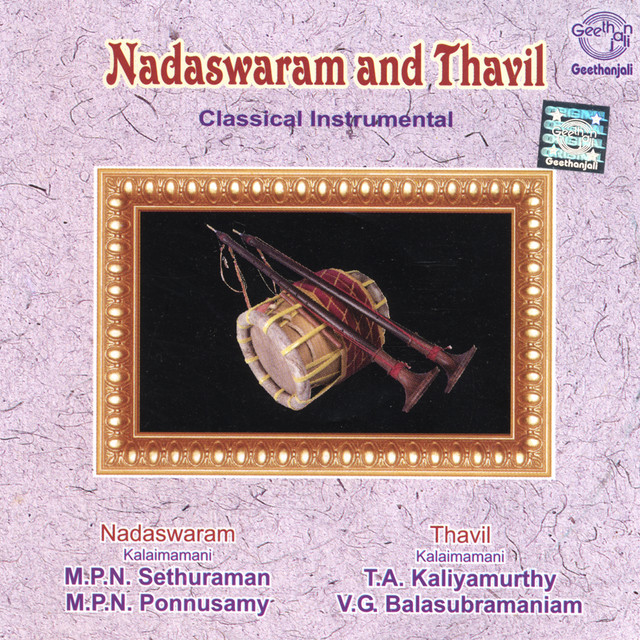
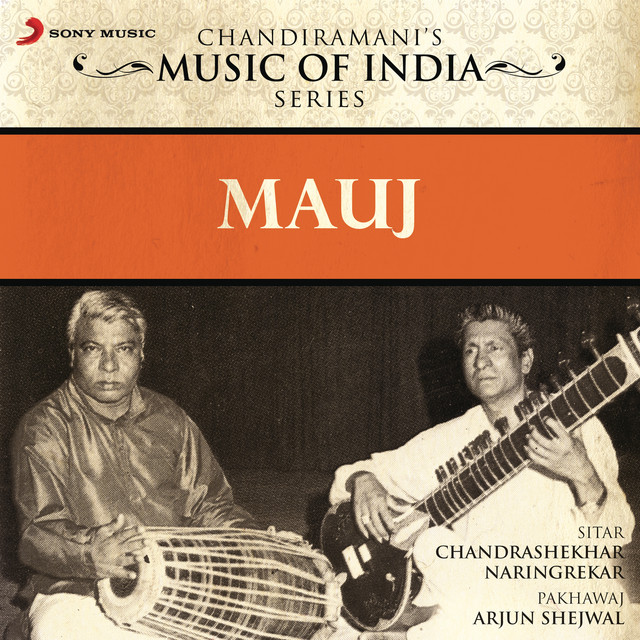
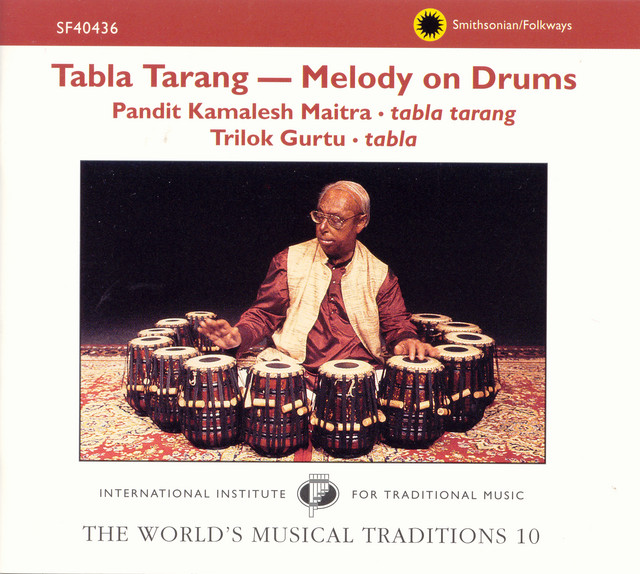
Indian percussion is a rhythm-first tradition that threads through every facet of the subcontinent’s music and culture. It isn’t a single instrument but a family of drums and a lattice of rhythmic ideas that animate Hindustani and Carnatic concert music, Kathak dance, temple and folk ensembles, and today’s global fusion projects. The heart of Indian percussion lies in a shared language of talas (rhythmic cycles), hand patterns, and timbres that shape a performance as much as melody and harmony do. The most famous voices are the tabla in Hindustani music and the mridangam in Carnatic music, but the scene also includes the kanjira, ghatam, pakhawaj, dhol, chenda, and countless regional drums that color local traditions.
Origins and evolution
The percussion landscape in India has deep, ancient roots. Percussive accompaniment appears in ancient temple music, theatre, and ritual performance, with references in treatises such as the Natya Shastra, which codified rhythmic theory and stage rhythms long ago. The modern tabla, however, is generally placed in the 18th–19th century, developing in the institutional hubs of the Delhi and Awadh regions by reimagining and pairing smaller drums with the older pakhawaj lineage. This pairing—two drums with distinct pitches—gave Hindustani percussion its signature conversational texture, where “bols” (spoken syllables) articulate the groove and drama of a performance. In Carnatic music, the mridangam sits at the center of accompaniment, often joined by the ghatam, koyil, and other regional drums to maintain the tala.
Stylistic diversity and education
Across India, percussionists study within gharanas or schools that emphasize specific timbres, beat structures, and teaching lineages. Tabla players may trace lineage through the Delhi, Lucknow, Benaras, Farukhabad, and Ajrara traditions, while mridangam players carry the legacies of the Tamil and Carnatic system, where elaborate improvisation sits beside a fixed cycle. The pedagogy is oral and improvisational, with a strong emphasis on repertoire, rhythmic thinking, and the ability to converse with melodic lines, dancers, and ensembles.
Ambassadors and key figures
In the Hindustani world, a handful of names have become universal ambassadors of Indian percussion. Ustad Alla Rakha popularized the tabla on the world stage and mentored Zakir Hussain, whose global collaborations—with Ravi Shankar and Western artists alike—helped redefine percussion’s reach. Kishan Maharaj is celebrated for lyrical, virtuosic style and spiritual depth within a long lineage. Contemporary luminaries such as Bickram Ghosh and Anindo Chatterjee have broadened the instrument’s horizons through cross-cultural projects and teaching. In Carnatic percussion, the mridangam’s masters—Palani Subramaniam Pillai, Palghat Mani Iyer, and Umayalapuram K. Sivaraman among others—are revered for precision, tempo-control, and expressive texture. The modern scene also celebrates prolific crossovers, with artists like Sivamani popularizing percussion-driven grooves in film and world-music contexts.
Global footprint
Indian percussion enjoys strong popularity in India and among diaspora communities worldwide. It has a robust presence in music scenes across the United States, the United Kingdom, Canada, the Gulf states, Singapore, Malaysia, Australia, and parts of Europe, where it appears in concert halls, fusion ensembles, and film music. Its appeal lies in its tactile rhythm, intricate cycles, and the human immediacy of hand-played sound, inviting listeners to feel the pulse as a storytelling force.
In short, Indian percussion is not only a repertoire of instruments but a living, evolving dialogue between rhythm, melody, and movement—an invitation to experience time itself through beat, breath, and resonance.
Origins and evolution
The percussion landscape in India has deep, ancient roots. Percussive accompaniment appears in ancient temple music, theatre, and ritual performance, with references in treatises such as the Natya Shastra, which codified rhythmic theory and stage rhythms long ago. The modern tabla, however, is generally placed in the 18th–19th century, developing in the institutional hubs of the Delhi and Awadh regions by reimagining and pairing smaller drums with the older pakhawaj lineage. This pairing—two drums with distinct pitches—gave Hindustani percussion its signature conversational texture, where “bols” (spoken syllables) articulate the groove and drama of a performance. In Carnatic music, the mridangam sits at the center of accompaniment, often joined by the ghatam, koyil, and other regional drums to maintain the tala.
Stylistic diversity and education
Across India, percussionists study within gharanas or schools that emphasize specific timbres, beat structures, and teaching lineages. Tabla players may trace lineage through the Delhi, Lucknow, Benaras, Farukhabad, and Ajrara traditions, while mridangam players carry the legacies of the Tamil and Carnatic system, where elaborate improvisation sits beside a fixed cycle. The pedagogy is oral and improvisational, with a strong emphasis on repertoire, rhythmic thinking, and the ability to converse with melodic lines, dancers, and ensembles.
Ambassadors and key figures
In the Hindustani world, a handful of names have become universal ambassadors of Indian percussion. Ustad Alla Rakha popularized the tabla on the world stage and mentored Zakir Hussain, whose global collaborations—with Ravi Shankar and Western artists alike—helped redefine percussion’s reach. Kishan Maharaj is celebrated for lyrical, virtuosic style and spiritual depth within a long lineage. Contemporary luminaries such as Bickram Ghosh and Anindo Chatterjee have broadened the instrument’s horizons through cross-cultural projects and teaching. In Carnatic percussion, the mridangam’s masters—Palani Subramaniam Pillai, Palghat Mani Iyer, and Umayalapuram K. Sivaraman among others—are revered for precision, tempo-control, and expressive texture. The modern scene also celebrates prolific crossovers, with artists like Sivamani popularizing percussion-driven grooves in film and world-music contexts.
Global footprint
Indian percussion enjoys strong popularity in India and among diaspora communities worldwide. It has a robust presence in music scenes across the United States, the United Kingdom, Canada, the Gulf states, Singapore, Malaysia, Australia, and parts of Europe, where it appears in concert halls, fusion ensembles, and film music. Its appeal lies in its tactile rhythm, intricate cycles, and the human immediacy of hand-played sound, inviting listeners to feel the pulse as a storytelling force.
In short, Indian percussion is not only a repertoire of instruments but a living, evolving dialogue between rhythm, melody, and movement—an invitation to experience time itself through beat, breath, and resonance.