Genre
indie de vietnam
Top Indie de vietnam Artists

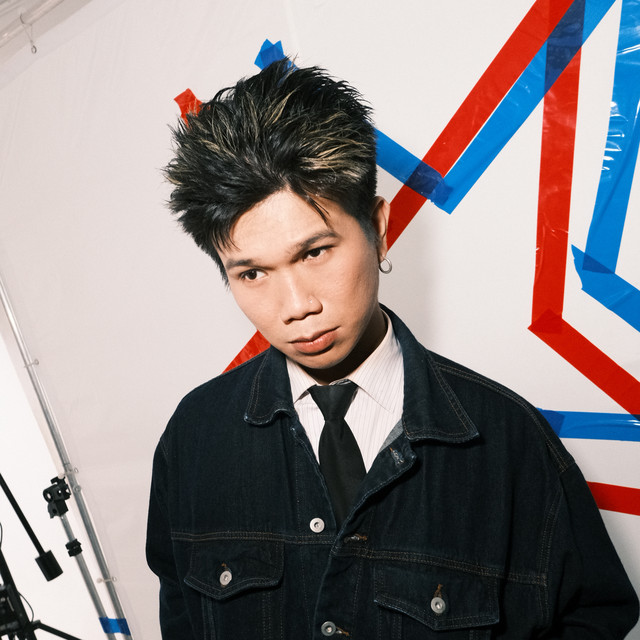




About Indie de vietnam
Indie de Vietnam is best understood as a decentralized, forever-evolving spectrum of independent music rooted in Vietnamese cities but resonating with listeners around the world. It isn’t a single sound, but a constellation of DIY ethos, intimate production, and cross-genre experimentation that blends Vietnamese lyricism with the sensibilities of indie rock, dream pop, lo-fi electronic, folk, and experimental electro-acoustic textures. The charm of indie de Vietnam lies in its immediacy: songs that feel made in a bedroom or a tiny café, but with ideas and ambition that travel far beyond their origin.
The scene began to take shape in the late 2000s and early 2010s, as Vietnamese musicians increasingly embraced do-it-yourself approaches. Home studios, small indie labels, and grassroots venues became the breeding ground for new sounds. Cafés and art spaces in Hanoi and Ho Chi Minh City served as informal stages where artists could test ideas—guitars, synths, field recordings, and vocal takes recorded with minimal equipment but maximum honesty. The internet and social media lowered the barriers to distribution, allowing bedroom producers and singer-songwriters to share music with local audiences and, gradually, with a global listenership. What emerged was a vivid counterpoint to mainstream V-pop: a more intimate, texture-driven approach that prizes individuality over polish.
Musically, indie de Vietnam often foregrounds lyric-driven storytelling in Vietnamese, sometimes with English phrases or bilingual lines that reflect a cosmopolitan sensibility. The aesthetics can range from jangly guitar-pop and warm lo-fi rock to shimmering dream-pop and spare electronic palettes. Local rhythms and melodic contours mingle with Western indie traditions, producing a sound that can feel both warm and experimental, melancholic and buoyant, all at once. Live performances emphasize connection—the immediacy of a small venue, the fragile beauty of a live take, and the ritual of a communal listening experience.
Hubs for the scene include Hanoi and Ho Chi Minh City, with Da Nang and other urban centers contributing as ad hoc micro-scenes. Independent venues, collectives, and small labels play crucial roles, as do university campuses, open-mic nights, and festival showcases. Beyond Vietnam, indie de Vietnam has found listeners among the Vietnamese diaspora in the United States, France, Australia, and elsewhere, where fans seek out music that speaks to shared language and diasporic memory, as well as to universal indie aesthetics.
Ambassadors and notable acts have helped bring the scene to international attention. Suboi, one of Vietnam’s most widely recognized and globally connected artists, has worked across genres and platforms, challenging norms and introducing Vietnamese independent music to broader audiences through collaborations and international appearances. She stands as a symbol of how an artist from Vietnam can transcend local barriers while remaining deeply anchored in vernacular expression. Alongside such figures, a new wave of singer-songwriters and bands—operating through DIY labels and online platforms—continues to push the boundaries, experiment with form, and keep the indie flame alive.
Indie de Vietnam is popular in its home country and among Vietnamese communities abroad, but its appeal also extends into Southeast Asia’s growing network of indie scenes. For enthusiasts, it’s a genre that invites exploration, a lived-in sound of city nights and creative risk, and a reminder that great music can emerge from modest means and deliberate intuition.
The scene began to take shape in the late 2000s and early 2010s, as Vietnamese musicians increasingly embraced do-it-yourself approaches. Home studios, small indie labels, and grassroots venues became the breeding ground for new sounds. Cafés and art spaces in Hanoi and Ho Chi Minh City served as informal stages where artists could test ideas—guitars, synths, field recordings, and vocal takes recorded with minimal equipment but maximum honesty. The internet and social media lowered the barriers to distribution, allowing bedroom producers and singer-songwriters to share music with local audiences and, gradually, with a global listenership. What emerged was a vivid counterpoint to mainstream V-pop: a more intimate, texture-driven approach that prizes individuality over polish.
Musically, indie de Vietnam often foregrounds lyric-driven storytelling in Vietnamese, sometimes with English phrases or bilingual lines that reflect a cosmopolitan sensibility. The aesthetics can range from jangly guitar-pop and warm lo-fi rock to shimmering dream-pop and spare electronic palettes. Local rhythms and melodic contours mingle with Western indie traditions, producing a sound that can feel both warm and experimental, melancholic and buoyant, all at once. Live performances emphasize connection—the immediacy of a small venue, the fragile beauty of a live take, and the ritual of a communal listening experience.
Hubs for the scene include Hanoi and Ho Chi Minh City, with Da Nang and other urban centers contributing as ad hoc micro-scenes. Independent venues, collectives, and small labels play crucial roles, as do university campuses, open-mic nights, and festival showcases. Beyond Vietnam, indie de Vietnam has found listeners among the Vietnamese diaspora in the United States, France, Australia, and elsewhere, where fans seek out music that speaks to shared language and diasporic memory, as well as to universal indie aesthetics.
Ambassadors and notable acts have helped bring the scene to international attention. Suboi, one of Vietnam’s most widely recognized and globally connected artists, has worked across genres and platforms, challenging norms and introducing Vietnamese independent music to broader audiences through collaborations and international appearances. She stands as a symbol of how an artist from Vietnam can transcend local barriers while remaining deeply anchored in vernacular expression. Alongside such figures, a new wave of singer-songwriters and bands—operating through DIY labels and online platforms—continues to push the boundaries, experiment with form, and keep the indie flame alive.
Indie de Vietnam is popular in its home country and among Vietnamese communities abroad, but its appeal also extends into Southeast Asia’s growing network of indie scenes. For enthusiasts, it’s a genre that invites exploration, a lived-in sound of city nights and creative risk, and a reminder that great music can emerge from modest means and deliberate intuition.