Genre
indie garage rock
Top Indie garage rock Artists
Showing 25 of 51 artists









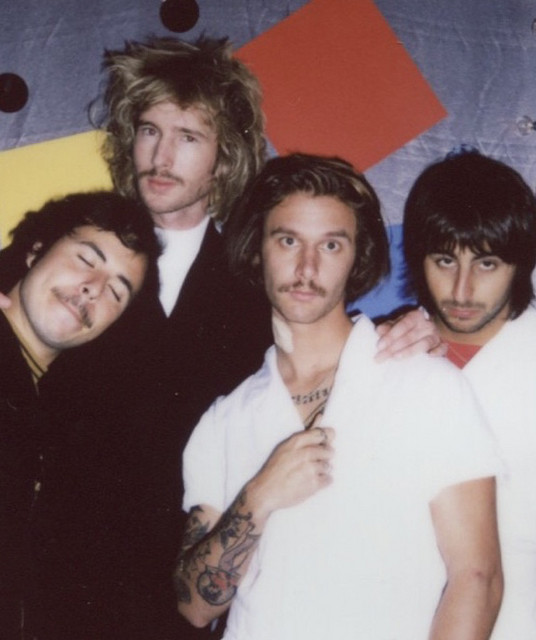



About Indie garage rock
Indie garage rock is a compact, high-energy fusion of indie rock's melodic sensibility with the snappy, fuzz-drenched immediacy of 1960s garage rock. In practice, it's less a fixed sound than a mood: short songs, punchy guitar riffs, naked drums, and vocal takes that can veer from deadpan cool to urgent howls. The genre thrives on DIY ethos—lo‑fi production, imperfect takes, and a homemade energy that values vibe over polish.
Garage rock as a historical term goes back to 1960s bands like The Sonics, The 13th Floor Elevators, and The Gruesomes; the modern 'indie garage rock' grew from the late 1990s and early 2000s garage-rock revival, mostly centered in the United States and the United Kingdom. Critics name New York's The Strokes and Detroit's The White Stripes as two of the movement's most influential ambassadors, redefining how a guitar-driven band could sound both intimate and stadium-ready. The Strokes' Is This It (2001) condensed a garage impulse into neon-pop hooks; White Stripes' White Blood Cells (2001) fused raw riffing with blues simplicity, catalyzing a wave across indie labels.
European acts broadened the palette: Sweden's The Hives brought high-speed, anthemic garage aggression; Australia's The Vines rode a similar wave with Highly Evolved. The Libertines' Brit-punk swagger and The Black Keys' blues-bursts fed the cross-pollination between garage grit and indie melody. Arctic Monkeys, championed as an ultimate indie-rock breakout in the mid-2000s, carried a clean, clever garage-informed edge into mass audiences. In the U.S., bands like The Yeah Yeah Yeahs and Interpol blended art-punk and garage intensity with indie rock polish, expanding the genre's emotional range.
Geographically, the core popularity centers in the United States and the United Kingdom, where the revival first took hold, but the vibe spread to Europe, notably Sweden and Germany, and to Australia and Canada, each scene producing its own lean, label-backed or DIY-driven outfits. The aesthetic often overlaps with post-punk revival, lo-fi indie, and garage-punk, making it a flexible umbrella rather than a single sound. Festivals and club stages celebrate it with back-to-back guitar breaks and raw energy; collectors seek limited-edition 7-inches and early demos alongside glossy reissues.
Sonic characteristics typical include short, punchy songs often around 2-3 minutes, use of buzz-saw guitars, tight but economical rhythm sections, raw vocal takes, and a preference for direct hooks rather than elaborate production. The aesthetic often embraces lo-fi recording, garage atmospheres, and analog warmth. Live, bands in this vein chase raw immediacy—crowd-friendly call-and-response choruses, heady stage presence, and a palpable sense of urgency. The indie label scene that supported early acts—Rough Trade, Sub Pop, Matador, and Merge—helped circulate vinyl singles and EPs that became collector items. For enthusiasts, it's a doorway to raw, infectious moments.
Garage rock as a historical term goes back to 1960s bands like The Sonics, The 13th Floor Elevators, and The Gruesomes; the modern 'indie garage rock' grew from the late 1990s and early 2000s garage-rock revival, mostly centered in the United States and the United Kingdom. Critics name New York's The Strokes and Detroit's The White Stripes as two of the movement's most influential ambassadors, redefining how a guitar-driven band could sound both intimate and stadium-ready. The Strokes' Is This It (2001) condensed a garage impulse into neon-pop hooks; White Stripes' White Blood Cells (2001) fused raw riffing with blues simplicity, catalyzing a wave across indie labels.
European acts broadened the palette: Sweden's The Hives brought high-speed, anthemic garage aggression; Australia's The Vines rode a similar wave with Highly Evolved. The Libertines' Brit-punk swagger and The Black Keys' blues-bursts fed the cross-pollination between garage grit and indie melody. Arctic Monkeys, championed as an ultimate indie-rock breakout in the mid-2000s, carried a clean, clever garage-informed edge into mass audiences. In the U.S., bands like The Yeah Yeah Yeahs and Interpol blended art-punk and garage intensity with indie rock polish, expanding the genre's emotional range.
Geographically, the core popularity centers in the United States and the United Kingdom, where the revival first took hold, but the vibe spread to Europe, notably Sweden and Germany, and to Australia and Canada, each scene producing its own lean, label-backed or DIY-driven outfits. The aesthetic often overlaps with post-punk revival, lo-fi indie, and garage-punk, making it a flexible umbrella rather than a single sound. Festivals and club stages celebrate it with back-to-back guitar breaks and raw energy; collectors seek limited-edition 7-inches and early demos alongside glossy reissues.
Sonic characteristics typical include short, punchy songs often around 2-3 minutes, use of buzz-saw guitars, tight but economical rhythm sections, raw vocal takes, and a preference for direct hooks rather than elaborate production. The aesthetic often embraces lo-fi recording, garage atmospheres, and analog warmth. Live, bands in this vein chase raw immediacy—crowd-friendly call-and-response choruses, heady stage presence, and a palpable sense of urgency. The indie label scene that supported early acts—Rough Trade, Sub Pop, Matador, and Merge—helped circulate vinyl singles and EPs that became collector items. For enthusiasts, it's a doorway to raw, infectious moments.