Genre
indie latino
Top Indie latino Artists
Showing 25 of 45 artists










About Indie latino
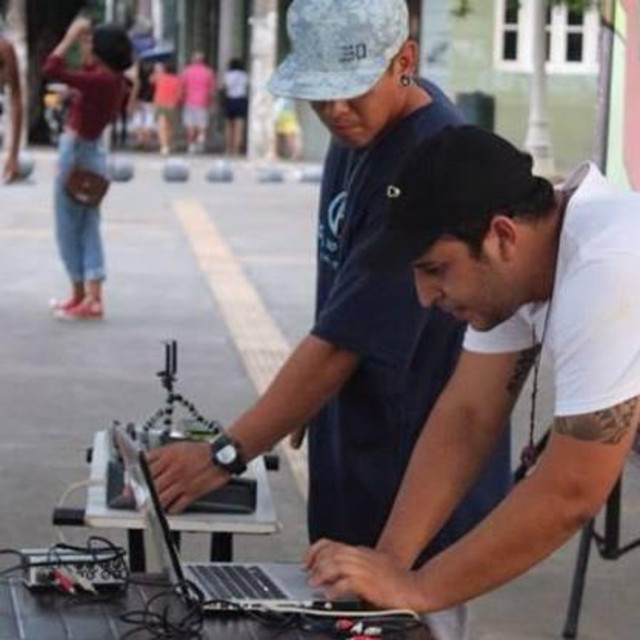
Indie latino is a flexible umbrella term that describes the vibrant, Spanish‑language side of the global indie scene. It encompasses independent, often self‑produced or small‑label releases from Latin America, Spain, and the broader Latino diaspora, blending the sensibilities of indie rock, dream pop, and electronic music with Latin rhythms, folk traditions, and bilingual lyric play. It’s not a rigid genre with fixed chords or a single blueprint; it’s a tapestry of sounds united by a DIY ethos and a willingness to fuse local folklore, regional pop, and contemporary indie aesthetics.
The birth of indie latino is best understood as a transnational wave that gathered force in the late 1990s and into the 2000s. As the global indie movement grew, Latin American and Iberian artists began releasing music outside major label systems, touting intimate songwriting and adventurous production. The internet, mail‑order networks, and growing local scenes in Buenos Aires, Mexico City, Madrid, and Santiago helped these acts reach audiences far beyond their own cities. By the early 2010s, Latin indie had become a recognizable ecosystem: a constellation of festivals, labels, blogs, and radio programs that celebrated artists willing to experiment with language, rhythm, and form.
Sonically, indie latino favors craft and atmosphere over formula. You’ll hear jangly guitars, fuzzed‑out basslines, and spacious, reverb‑soaked textures alongside tropical percussion, reggaeton‑tinged grooves, or folky acoustic intimacies. There’s a love of lo‑fi charm—home studios, whispered vocals, unpolished takes—that rewards nuance and lyric detail. Lyrics tend to foreground personal storytelling, social observation, and a sense of place, often delving into identity, memory, and the politics of daily life. The result is music that feels both freshly modern and rooted in regional sounds.
Ambassadors and touchstones span the Spanish‑speaking world. In Mexico, artists like Natalia Lafourcade have helped push indie folk‑pop into a broader mainstream audience, delivering intimate storytelling with lush arrangements. In Colombia, Bomba Estéreo bridged indie sensibilities with danceable cumbia‑electronica, expanding the reach of Latin alternative sounds internationally. Chile’s Mon Laferte has become a bridge figure, merging rock, bolero, and pop in ways that resonate across Latin America and beyond. Spain’s Vetusta Morla and Love of Lesbian are often cited as flagship Spanish indie acts whose popularity has rippled through Latin American college‑rock fans and festival crowds. Café Tacvba, dating back to the 1990s, remains a touchstone for alternative Mexican music and a perennial influence on later indie movements. These artists—alongside countless regional scenes—are ambassadors by example, showing how Spanish‑language indie can travel without losing its soul.
Countries where indie latino has found the warmest reception include Mexico, Argentina, Chile, Colombia, and Spain, with growing enthusiasm in other Latin American markets and in the U.S. Southwest and Northeast, where Latinx audiences crave music that feels both locally grounded and globally adventurous. Festivals like Lollapalooza Latin America, Primavera Sound’s Spanish leg, and regional indie showcases have helped circulate these voices, while streaming platforms have exploded the audience for DIY moments, bedroom recordings, and small‑label breakthroughs.
In short, indie latino is a living, evolving lattice: a movement that celebrates independence, storytelling, and cross‑cultural fusion, producing music that sounds unmistakably Latin while speaking the universal language of indie exploration.
The birth of indie latino is best understood as a transnational wave that gathered force in the late 1990s and into the 2000s. As the global indie movement grew, Latin American and Iberian artists began releasing music outside major label systems, touting intimate songwriting and adventurous production. The internet, mail‑order networks, and growing local scenes in Buenos Aires, Mexico City, Madrid, and Santiago helped these acts reach audiences far beyond their own cities. By the early 2010s, Latin indie had become a recognizable ecosystem: a constellation of festivals, labels, blogs, and radio programs that celebrated artists willing to experiment with language, rhythm, and form.
Sonically, indie latino favors craft and atmosphere over formula. You’ll hear jangly guitars, fuzzed‑out basslines, and spacious, reverb‑soaked textures alongside tropical percussion, reggaeton‑tinged grooves, or folky acoustic intimacies. There’s a love of lo‑fi charm—home studios, whispered vocals, unpolished takes—that rewards nuance and lyric detail. Lyrics tend to foreground personal storytelling, social observation, and a sense of place, often delving into identity, memory, and the politics of daily life. The result is music that feels both freshly modern and rooted in regional sounds.
Ambassadors and touchstones span the Spanish‑speaking world. In Mexico, artists like Natalia Lafourcade have helped push indie folk‑pop into a broader mainstream audience, delivering intimate storytelling with lush arrangements. In Colombia, Bomba Estéreo bridged indie sensibilities with danceable cumbia‑electronica, expanding the reach of Latin alternative sounds internationally. Chile’s Mon Laferte has become a bridge figure, merging rock, bolero, and pop in ways that resonate across Latin America and beyond. Spain’s Vetusta Morla and Love of Lesbian are often cited as flagship Spanish indie acts whose popularity has rippled through Latin American college‑rock fans and festival crowds. Café Tacvba, dating back to the 1990s, remains a touchstone for alternative Mexican music and a perennial influence on later indie movements. These artists—alongside countless regional scenes—are ambassadors by example, showing how Spanish‑language indie can travel without losing its soul.
Countries where indie latino has found the warmest reception include Mexico, Argentina, Chile, Colombia, and Spain, with growing enthusiasm in other Latin American markets and in the U.S. Southwest and Northeast, where Latinx audiences crave music that feels both locally grounded and globally adventurous. Festivals like Lollapalooza Latin America, Primavera Sound’s Spanish leg, and regional indie showcases have helped circulate these voices, while streaming platforms have exploded the audience for DIY moments, bedroom recordings, and small‑label breakthroughs.
In short, indie latino is a living, evolving lattice: a movement that celebrates independence, storytelling, and cross‑cultural fusion, producing music that sounds unmistakably Latin while speaking the universal language of indie exploration.