Genre
indie nica
Top Indie nica Artists
Showing 21 of 21 artists


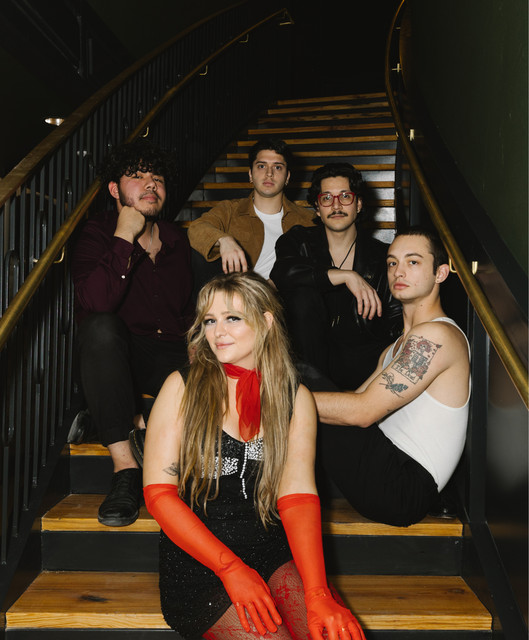


About Indie nica
Note: Indie nica is an emergent designation for Nicaragua’s indie-leaning music, not yet codified as a single global genre. It describes a developing scene where local folk textures meet the DIY hustle and aesthetic of contemporary indie, producing a sound that is recognizably Nicaraguan while feeling universal to music enthusiasts.
Origins and birth: Indie nica began taking shape in the late 2010s, as Nicaragua’s young musicians connected with global indie networks online and started sharing home-recorded demos from Managua, León, and the Caribbean coast towns. The spark came from a desire to translate everyday experiences—urban rhythms, market bustle, family stories, and migratory dreams—into intimate, lo-fi recordings. Small venues, pop-up shows, and cultural centers became meeting points where traditional musicians and bedroom producers learned from one another. The scene grew through collaborations across cities and with diaspora communities abroad, especially in Spain and the United States, where Latin American indie sensibilities found receptive audiences.
Sound palette and instrumentation: Indie nica inhabits a borderland of textures. Expect intimate guitar and cuatro melodies threaded with sympathetic percussive lines from cajón, bongos, and congas, or even tinny drum machines that lend a late-night, bedroom-echo vibe. Folk roots—stemming from Nicaragua’s widespread acoustic traditions and occasional marimba or folk-inflected riffs—meet the sharpened edges of lo-fi, indie rock, dream pop, and even subtle post-punk sensibilities. Vocals tend to be personal and direct, often sung in Spanish with occasional Kriol-influenced phrases or regional slang that give a sense of place. Field recordings of street markets, buses, and coastal winds sometimes surface as deliberate textures, blurring the line between sound design and song.
Themes and aesthetics: Lyrically, indie nica dwells on intimate stories of daily life, social change, environmental concerns, migration, love, and resilience. The aesthetic favors warmth and imperfection—analog warmth, cassette hiss, DIY production, and lo-fi mixing—welcoming listeners into a space that feels both lived-in and earnest. The visual identity often leans toward earthy tones, handmade zines, and handmade merch, reinforcing a community-first ethos that puts artist-audience connection front and center.
Production and platforms: Because indie nica is rooted in DIY culture, many releases arrive on Bandcamp, with wider streaming support on Spotify and Apple Music after a niche following forms. Home-recording software, modest gear, and collaborating across bedrooms and rehearsal rooms are common. This makes the genre particularly agile: tracks can cross-pollinate across Nicaragua’s cities and reach international indie listeners who crave authenticity and a sense of place.
Ambassadors and presence abroad: Indie nica is best understood as a network of ambassadors—unsigned bands, solo artists, and small collectives who act as curators and bridge-builders between Nicaragua and the wider Latin American indie ecosystem. They often connect through collaborative projects with artists from neighboring countries and diasporic communities, keeping the conversation alive through festivals, online showcases, and intimate live sets in cultural centers.
Global footprint and popularity: Most vibrant in Nicaragua itself, indie nica resonates with listeners in Central America and among Latin American indie circles online. It’s particularly attractive to listeners who prize lyrical honesty, cultural specificity, and the charm of lo-fi production. As streaming platforms continue to surface new artists from the region, indie nica could expand through cross-border tours, festival showcases, and collaborative releases that highlight Nicaragua’s contemporary sonic identity while staying true to its intimate, DIY roots. If you’re a music enthusiast who seeks both storytelling and texture, indie nica offers a compelling, evolving conversation worth following.
Origins and birth: Indie nica began taking shape in the late 2010s, as Nicaragua’s young musicians connected with global indie networks online and started sharing home-recorded demos from Managua, León, and the Caribbean coast towns. The spark came from a desire to translate everyday experiences—urban rhythms, market bustle, family stories, and migratory dreams—into intimate, lo-fi recordings. Small venues, pop-up shows, and cultural centers became meeting points where traditional musicians and bedroom producers learned from one another. The scene grew through collaborations across cities and with diaspora communities abroad, especially in Spain and the United States, where Latin American indie sensibilities found receptive audiences.
Sound palette and instrumentation: Indie nica inhabits a borderland of textures. Expect intimate guitar and cuatro melodies threaded with sympathetic percussive lines from cajón, bongos, and congas, or even tinny drum machines that lend a late-night, bedroom-echo vibe. Folk roots—stemming from Nicaragua’s widespread acoustic traditions and occasional marimba or folk-inflected riffs—meet the sharpened edges of lo-fi, indie rock, dream pop, and even subtle post-punk sensibilities. Vocals tend to be personal and direct, often sung in Spanish with occasional Kriol-influenced phrases or regional slang that give a sense of place. Field recordings of street markets, buses, and coastal winds sometimes surface as deliberate textures, blurring the line between sound design and song.
Themes and aesthetics: Lyrically, indie nica dwells on intimate stories of daily life, social change, environmental concerns, migration, love, and resilience. The aesthetic favors warmth and imperfection—analog warmth, cassette hiss, DIY production, and lo-fi mixing—welcoming listeners into a space that feels both lived-in and earnest. The visual identity often leans toward earthy tones, handmade zines, and handmade merch, reinforcing a community-first ethos that puts artist-audience connection front and center.
Production and platforms: Because indie nica is rooted in DIY culture, many releases arrive on Bandcamp, with wider streaming support on Spotify and Apple Music after a niche following forms. Home-recording software, modest gear, and collaborating across bedrooms and rehearsal rooms are common. This makes the genre particularly agile: tracks can cross-pollinate across Nicaragua’s cities and reach international indie listeners who crave authenticity and a sense of place.
Ambassadors and presence abroad: Indie nica is best understood as a network of ambassadors—unsigned bands, solo artists, and small collectives who act as curators and bridge-builders between Nicaragua and the wider Latin American indie ecosystem. They often connect through collaborative projects with artists from neighboring countries and diasporic communities, keeping the conversation alive through festivals, online showcases, and intimate live sets in cultural centers.
Global footprint and popularity: Most vibrant in Nicaragua itself, indie nica resonates with listeners in Central America and among Latin American indie circles online. It’s particularly attractive to listeners who prize lyrical honesty, cultural specificity, and the charm of lo-fi production. As streaming platforms continue to surface new artists from the region, indie nica could expand through cross-border tours, festival showcases, and collaborative releases that highlight Nicaragua’s contemporary sonic identity while staying true to its intimate, DIY roots. If you’re a music enthusiast who seeks both storytelling and texture, indie nica offers a compelling, evolving conversation worth following.