Genre
indonesian experimental
Top Indonesian experimental Artists
Showing 6 of 6 artists


About Indonesian experimental
Indonesian experimental is a living approach rather than a fixed sound, braided from the archipelago’s diverse sonic sources. It sits at the intersection of gamelan timbres, bamboo instruments, field recordings, and the open-ended energy of improvisation. In performance, the space itself becomes part of the instrument, and listeners are invited to hear how small shifts in texture and rhythm can alter mood and meaning. For enthusiasts who crave sonic exploration, Indonesian experimental offers a route into music that is at once deeply local and boldly transnational.
Origin and birth: the scene began taking shape in the late 1990s and into the 2000s, as Indonesian musicians started to fuse traditional timbres with electronics, ambient noise, and free improvisation. They released DIY cassettes, formed collectives, and played in small venues across Jakarta, Bandung, Yogyakarta, and Surabaya. The result was a practice that treated tradition not as a museum piece but as a living toolbox—one that could be woven into contemporary sound art, experimental pop, and environmental soundscapes. From these experiments emerged a network of performers who would push outward, drawing listeners from local neighborhoods to international stages.
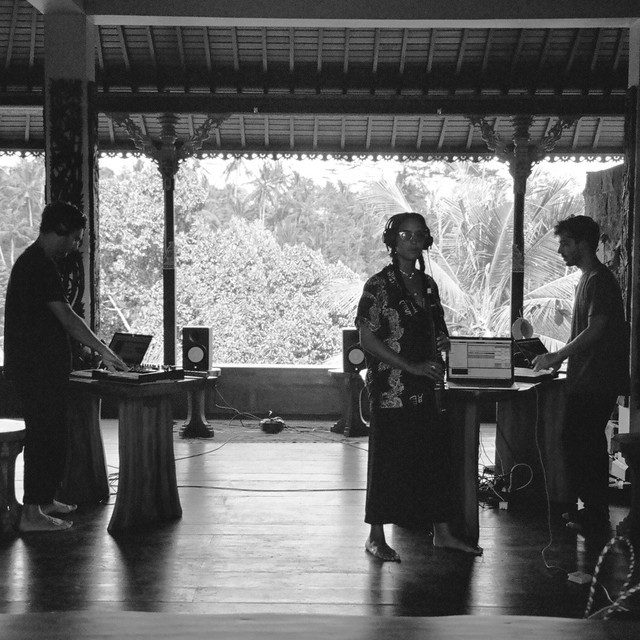
Sound and practice: the palette is deliberately expansive. Expect microtonal melodies rooted in Indonesian tunings, extended techniques on traditional instruments (including bamboo and bronze), manipulated voices, and dense layers of field-recorded sound. Drones, noise textures, and slow-moving rhythms can coexist with ritual-like chanting or spoken word. Composers and improvisers often perform without fixed forms, letting listening and reaction guide the piece. The genre embraces collaboration—pairing acoustic timbres with electronics, or weaving together composers, dancers, and visual artists in multiform performances that unfold as sound sculpture rather than conventional songs.
Ambassadors and key figures: Senyawa stands as a widely cited ambassador of Indonesian experimental. The duo, formed by Wukir Suryadi and Rully Shabara, blends Javanese and Indonesian vocal tradition with heavy, contemporary textures, throat singing, and improvisation. Their records and international tours helped put this scene on the map, inspiring younger artists to experiment beyond genre boundaries. In addition to Senyawa, a rising generation of Indonesian sound artists—active in Jakarta and Bandung—continues to push the language outward, releasing work on independent labels and performing at venues that welcome risk-taking and cross-cultural exchange.
Geography and reception: the core of Indonesian experimental remains Indonesia itself, but its reach extends through diaspora networks and the global avant-garde circuit. In Europe, Japan, the United States, and Australia, curators and listeners in experimental, improvised, and world-mrossover communities have embraced the genre for its fearless blending of tradition and invention. While it remains underground relative to pop mainstreams, its impact is felt in how it expands what Indonesian music can be—turning local timbres into a global conversation about sound, memory, and possibility.
For listeners eager to chase sound across borders and histories, Indonesian experimental offers a map, not a destination: a living practice that asks questions, rewards attentive listening, and keeps reimagining what music from Indonesia can mean today.
Origin and birth: the scene began taking shape in the late 1990s and into the 2000s, as Indonesian musicians started to fuse traditional timbres with electronics, ambient noise, and free improvisation. They released DIY cassettes, formed collectives, and played in small venues across Jakarta, Bandung, Yogyakarta, and Surabaya. The result was a practice that treated tradition not as a museum piece but as a living toolbox—one that could be woven into contemporary sound art, experimental pop, and environmental soundscapes. From these experiments emerged a network of performers who would push outward, drawing listeners from local neighborhoods to international stages.
Sound and practice: the palette is deliberately expansive. Expect microtonal melodies rooted in Indonesian tunings, extended techniques on traditional instruments (including bamboo and bronze), manipulated voices, and dense layers of field-recorded sound. Drones, noise textures, and slow-moving rhythms can coexist with ritual-like chanting or spoken word. Composers and improvisers often perform without fixed forms, letting listening and reaction guide the piece. The genre embraces collaboration—pairing acoustic timbres with electronics, or weaving together composers, dancers, and visual artists in multiform performances that unfold as sound sculpture rather than conventional songs.
Ambassadors and key figures: Senyawa stands as a widely cited ambassador of Indonesian experimental. The duo, formed by Wukir Suryadi and Rully Shabara, blends Javanese and Indonesian vocal tradition with heavy, contemporary textures, throat singing, and improvisation. Their records and international tours helped put this scene on the map, inspiring younger artists to experiment beyond genre boundaries. In addition to Senyawa, a rising generation of Indonesian sound artists—active in Jakarta and Bandung—continues to push the language outward, releasing work on independent labels and performing at venues that welcome risk-taking and cross-cultural exchange.
Geography and reception: the core of Indonesian experimental remains Indonesia itself, but its reach extends through diaspora networks and the global avant-garde circuit. In Europe, Japan, the United States, and Australia, curators and listeners in experimental, improvised, and world-mrossover communities have embraced the genre for its fearless blending of tradition and invention. While it remains underground relative to pop mainstreams, its impact is felt in how it expands what Indonesian music can be—turning local timbres into a global conversation about sound, memory, and possibility.
For listeners eager to chase sound across borders and histories, Indonesian experimental offers a map, not a destination: a living practice that asks questions, rewards attentive listening, and keeps reimagining what music from Indonesia can mean today.