Genre
indonesian hip hop
Top Indonesian hip hop Artists
Showing 25 of 360 artists












About Indonesian hip hop
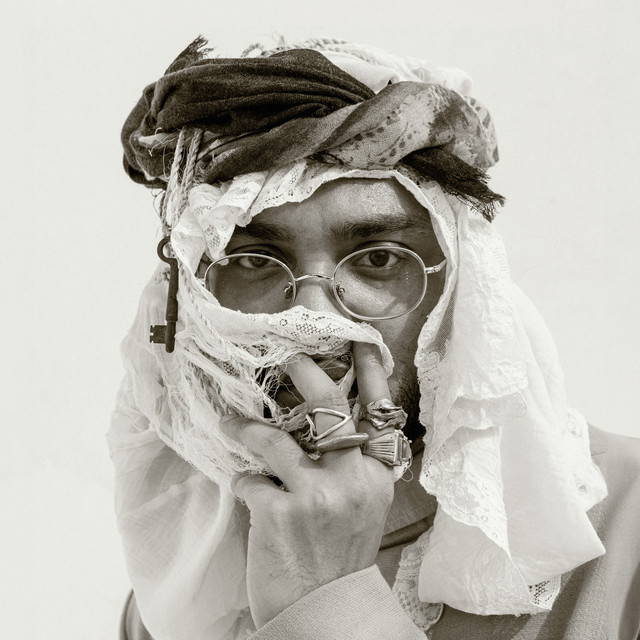
Indonesian hip hop is a vibrant, evolving voice from Southeast Asia, born from the same impulses that sparked the global boom in rap but filtered through Indonesian streets, languages, and sensibilities. It began in the late 1980s and early 1990s in urban centers like Jakarta, Bandung, and Surabaya, where youth borrowed breaks from American records, learned to rhyme in Bahasa Indonesia, and began testing the idea that rap could speak to local conditions as clearly as it spoke to New York or LA. By the mid-1990s, a first generation of MCs had emerged, laying down the template: tight flows in Indonesian, social commentary, and a DIY ethos that kept production affordable and accessible.
One of the most commonly cited pioneers is Iwa K, whose early tracks helped prove that Indonesian lyrics could ride hard beats with the same punch as English-language rap. The 2000s saw a broader wave of acts and crews across major cities, with Indonesian hip hop becoming a household reference in clubs, radio, and online spaces. The terrain broadened in the 2010s, as internet-native artists began to reach a global audience without gatekeepers, elevating the genre beyond national borders.
Today Indonesian hip hop is a plural, genre-blending scene. It sits comfortably in Bahasa Indonesia but readily adopts English phrases, slang and local references that give it a distinctive sonic identity. It also experiments with subgenres and fusions: boom-bap and trap rhythms sit alongside pop-leaning hooks; there are rap-dangdut hybrids, reggaeton-inflected tunes, and indie-leaning tracks that toy with melodic rap. This versatility helps Indonesian hip hop reach a wide audience in its archipelago and beyond.
Ambassadors of the scene span generations. From the early days, Iwa K is frequently cited as a founder; later generations found their voice in acts like Saykoji, who broke into mainstream consciousness with accessible flow and catchy hooks. The 2010s saw a new wave of internet-driven stars, including names like Young Lex who leveraged social media to build a national profile. In the global arena, a new wave of Indonesian MCs gained international attention through platforms like YouTube and 88rising; Rich Brian (formerly Rich Chigga) became a widely recognized figure, bringing Indonesian rap to audiences around the world. This cross-pollination helped encourage collaborations with regional rappers and producers while highlighting the Indonesian language's musicality on the world stage.
Indonesia isn't the only stage for this genre. Indonesian hip hop has resonated in neighboring Southeast Asian countries, among diaspora communities in the Netherlands and Malaysia, and wherever listeners crave a voice that speaks of city life, aspiration, and defiance in a language that sounds unmistakably Indonesian. The music remains a dynamic conversation between tradition and modernity, local stories and global currents, and it continues to grow as new crews, producers, and independent labels push the art forward. Fans will notice how Indonesian hip hop layers Indonesian and English, folds in local slang, and uses percussion-driven beats. To explore, start with classic pioneers, then follow newer artists online and in local venues across Indonesia today.
One of the most commonly cited pioneers is Iwa K, whose early tracks helped prove that Indonesian lyrics could ride hard beats with the same punch as English-language rap. The 2000s saw a broader wave of acts and crews across major cities, with Indonesian hip hop becoming a household reference in clubs, radio, and online spaces. The terrain broadened in the 2010s, as internet-native artists began to reach a global audience without gatekeepers, elevating the genre beyond national borders.
Today Indonesian hip hop is a plural, genre-blending scene. It sits comfortably in Bahasa Indonesia but readily adopts English phrases, slang and local references that give it a distinctive sonic identity. It also experiments with subgenres and fusions: boom-bap and trap rhythms sit alongside pop-leaning hooks; there are rap-dangdut hybrids, reggaeton-inflected tunes, and indie-leaning tracks that toy with melodic rap. This versatility helps Indonesian hip hop reach a wide audience in its archipelago and beyond.
Ambassadors of the scene span generations. From the early days, Iwa K is frequently cited as a founder; later generations found their voice in acts like Saykoji, who broke into mainstream consciousness with accessible flow and catchy hooks. The 2010s saw a new wave of internet-driven stars, including names like Young Lex who leveraged social media to build a national profile. In the global arena, a new wave of Indonesian MCs gained international attention through platforms like YouTube and 88rising; Rich Brian (formerly Rich Chigga) became a widely recognized figure, bringing Indonesian rap to audiences around the world. This cross-pollination helped encourage collaborations with regional rappers and producers while highlighting the Indonesian language's musicality on the world stage.
Indonesia isn't the only stage for this genre. Indonesian hip hop has resonated in neighboring Southeast Asian countries, among diaspora communities in the Netherlands and Malaysia, and wherever listeners crave a voice that speaks of city life, aspiration, and defiance in a language that sounds unmistakably Indonesian. The music remains a dynamic conversation between tradition and modernity, local stories and global currents, and it continues to grow as new crews, producers, and independent labels push the art forward. Fans will notice how Indonesian hip hop layers Indonesian and English, folds in local slang, and uses percussion-driven beats. To explore, start with classic pioneers, then follow newer artists online and in local venues across Indonesia today.