Genre
venezuelan hip hop
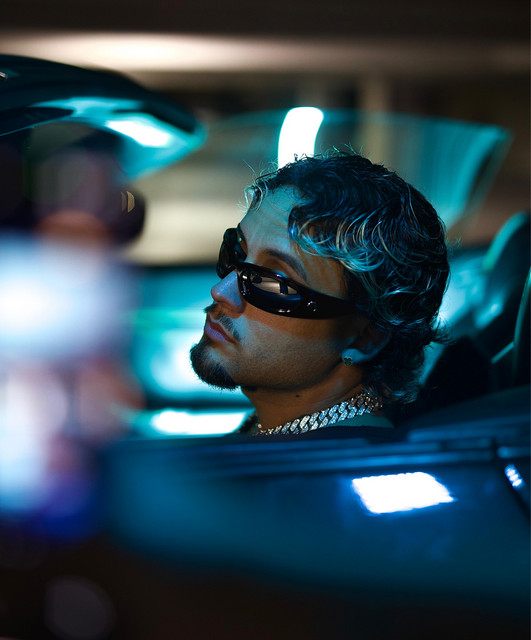
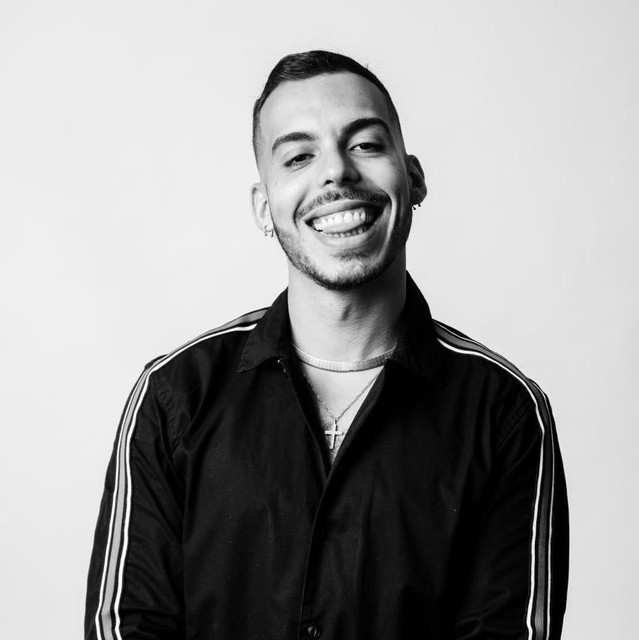
Top Venezuelan hip hop Artists
Showing 6 of 6 artists


About Venezuelan hip hop
Venezuelan hip hop is the Sound of the street in Caracas and beyond, a movement that grew out of late-1980s and early-1990s urban life and turned the country’s social realities into hard-hitting storytelling, clever wordplay, and improvisational energy. Like its peers across Latin America, the scene arrived with the broader global hip hop culture—breakdancing, graffiti, DJing, and MCing—but it quickly forged its own flavor by weaving in local slang, Caribbean rhythms, and a willingness to critique both power structures and daily hardship.
Origins began in the student neighborhoods and open-mic rooms of major cities such as Caracas, Maracaibo, Valencia, and Barquisimeto, where young MCs and crews adopted the battlerap mindset and DIY ethic. Cassettes and independent labels helped propagate a distinctly Venezuelan voice at a time when mainstream media rarely spotlighted the socio-political tensions that defined life for many fans. The genre matured with a relentless focus on lyricism, street intelligence, and social commentary, often addressing economic struggles, migration, violence, and the complexities of identity in a country undergoing rapid change.
Musically, Venezuelan hip hop is characterized by dense, multilingual, and highly melodic verses, crisp storytelling, and a penchant for clever rhyme schemes. Early productions leaned on classic boom-bap, but over time the sound absorbed regional cadences and tropical touches, producing a blend that can feel both intimate and expansive. As the global scene diversified, artists began experimenting with trap-influenced beats, Caribbean flavors, and electronic textures, while still centering sharp, introspective lyricism as the genre’s backbone.
The genre’s ambassadors and recognizable voices helped pull the music from underground rooms into larger consciousness. Canserbero, a Caracas-born rapper whose career bridged hard-hitting social critique with vivid storytelling, is widely celebrated as one of the defining figures of Venezuelan hip hop. His confrontational yet thoughtful approach to topics like inequality, personal struggle, and political disaffection left a lasting imprint on the national scene and inspired countless younger artists to tell their own truths in verse. Another important figure is Lil Supa, a name associated with the underground-to-mainstream trajectory of Venezuelan rap, known for his versatility and willingness to push sonic boundaries. Together, these artists helped position Venezuelan hip hop as a serious cultural force, capable of sparking dialogue and connecting with communities inside and outside Venezuela.
Today, the genre is most popular in Venezuela—especially in urban centers where youth culture, graffiti, and battle rap remain vibrant. It has also gained resonance in the Venezuelan diaspora across the Americas and parts of Europe, where fans in cities like Miami, Madrid, and Bogotá seek out the gritty, honest storytelling that Venezuelan MCs bring to the table. Festivals, independent labels, online platforms, and bilingual collaborations continue to expand the reach, inviting new listeners to explore a tradition that is as much about resilience and storytelling as it is about rhythm and rhyme. For enthusiasts, Venezuelan hip hop offers a living archive of urban experience—varied, fearless, and relentlessly expressive.
Origins began in the student neighborhoods and open-mic rooms of major cities such as Caracas, Maracaibo, Valencia, and Barquisimeto, where young MCs and crews adopted the battlerap mindset and DIY ethic. Cassettes and independent labels helped propagate a distinctly Venezuelan voice at a time when mainstream media rarely spotlighted the socio-political tensions that defined life for many fans. The genre matured with a relentless focus on lyricism, street intelligence, and social commentary, often addressing economic struggles, migration, violence, and the complexities of identity in a country undergoing rapid change.
Musically, Venezuelan hip hop is characterized by dense, multilingual, and highly melodic verses, crisp storytelling, and a penchant for clever rhyme schemes. Early productions leaned on classic boom-bap, but over time the sound absorbed regional cadences and tropical touches, producing a blend that can feel both intimate and expansive. As the global scene diversified, artists began experimenting with trap-influenced beats, Caribbean flavors, and electronic textures, while still centering sharp, introspective lyricism as the genre’s backbone.
The genre’s ambassadors and recognizable voices helped pull the music from underground rooms into larger consciousness. Canserbero, a Caracas-born rapper whose career bridged hard-hitting social critique with vivid storytelling, is widely celebrated as one of the defining figures of Venezuelan hip hop. His confrontational yet thoughtful approach to topics like inequality, personal struggle, and political disaffection left a lasting imprint on the national scene and inspired countless younger artists to tell their own truths in verse. Another important figure is Lil Supa, a name associated with the underground-to-mainstream trajectory of Venezuelan rap, known for his versatility and willingness to push sonic boundaries. Together, these artists helped position Venezuelan hip hop as a serious cultural force, capable of sparking dialogue and connecting with communities inside and outside Venezuela.
Today, the genre is most popular in Venezuela—especially in urban centers where youth culture, graffiti, and battle rap remain vibrant. It has also gained resonance in the Venezuelan diaspora across the Americas and parts of Europe, where fans in cities like Miami, Madrid, and Bogotá seek out the gritty, honest storytelling that Venezuelan MCs bring to the table. Festivals, independent labels, online platforms, and bilingual collaborations continue to expand the reach, inviting new listeners to explore a tradition that is as much about resilience and storytelling as it is about rhythm and rhyme. For enthusiasts, Venezuelan hip hop offers a living archive of urban experience—varied, fearless, and relentlessly expressive.