Genre
anime rap
Top Anime rap Artists
Showing 25 of 942 artists




About Anime rap
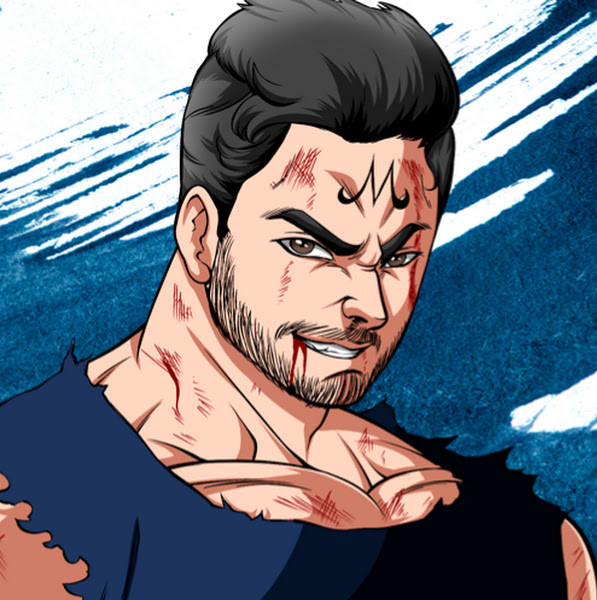
Anime rap is a loosely defined, cross-cultural blend of hip hop and anime fandom. It’s less a single musical formula than a vibe: rap tracks that embrace anime-inspired visuals, storytelling, and references, often pairing edgy wordplay with imagery borrowed from manga, manga-inspired art, or iconic anime soundtracks. The result can feel like a battlerap cadence wrapped in neon, pixel art, and shōnen-archetype storytelling. The genre thrives online where fans can mix and remix, animate music videos, and share lyrical callbacks to favorite series, games, and characters.
Origins and birth of the scene are diffuse and informal. Anime rap did not sprout from a single city or a announced movement; it emerged in the late 2000s and early 2010s as anime culture and hip hop began to intersect more visibly on platforms like YouTube and SoundCloud. Creators who loved both media started releasing tracks that used anime aesthetics—animated cutscenes, chiptune motifs, and references to famous series—creating a DIY, community-driven current rather than a polished, industry-backed genre. Because the internet accelerated fan-made connections across borders, artists and fans from Japan, the United States, Europe, and beyond found each other in shared affection for anime-inflected rap, cosplay-friendly visuals, and dialogue about power-ups, perseverance, and rivalries—themes that echo anime storytelling.
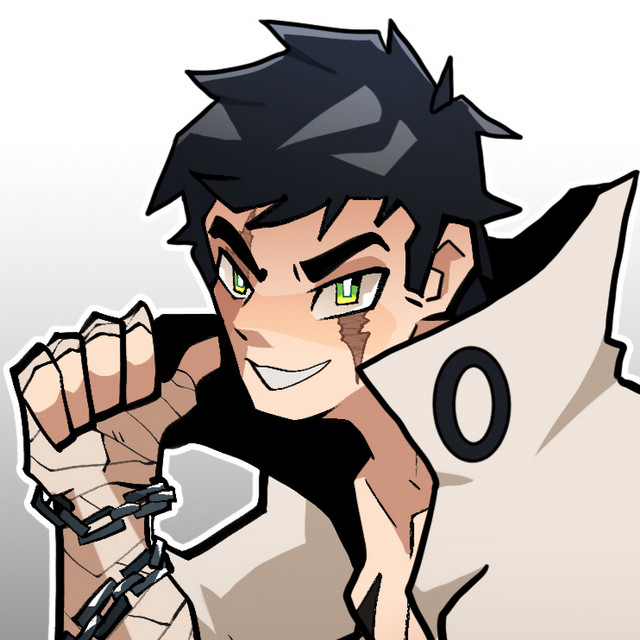
Sonic and stylistic characteristics are part of what defines anime rap. Beats range from boom-bap to trap and lo-fi textures, but the common thread is lyricism that nods to anime lore—references to characters, power levels, catchphrases, and plot twists—delivered with rapid-fire flow and punchline-driven writing. Many tracks incorporate bilingual elements, alternating between English and Japanese (or peppering lines with Japanese terms and onomatopoeia), which adds a distinctive cadence and texture. The accompanying visuals—animated sequences, manga panels, vibrant gradients, and fan art—are often as important as the music itself, turning a song into a short cinematic or comic-book moment. The culture also emphasizes collaboration: producers, animators, and lyricists frequently team up to release cohesive mini-universes around a single artist or a thematic arc.
Ambassadors and key artists in anime rap are best understood as a network rather than a fixed roster. The scene’s most influential voices tend to be independent, platform-driven creators who helped popularize the aesthetic and the DIY approach: artists who upload tracks with anime-tinged artwork, collaborate with illustrators and animators, and cultivate communities around regular releases. Because the genre is decentralized, there isn’t a universally agreed list of “legends” or “must-know” names, which is part of its charm: new tracks and new creators continually reframe what anime rap can be. What remains constant is a shared love for anime, a penchant for inventive wordplay, and a willingness to merge storytelling with stylized, audiovisual fantasy.
Geographically, the genre has found receptive audiences in Japan and North America, where fans can easily access and remix content; it also enjoys appreciable followings in parts of Europe and Latin America, where artists blend local hip hop flavors with anime-inspired visuals. In a media landscape that prizes cross-pollination, anime rap stands as a testament to how fan cultures fuse to create something that feels both familiar and radically new. If you’re a music enthusiast, you’ll hear a distinct blend of lore, language, and rhythm that invites you to press play and dive into a mini-episode of sound and vision. If you’d like, I can tailor this description with specific artists or tracks you’re curious about.
Origins and birth of the scene are diffuse and informal. Anime rap did not sprout from a single city or a announced movement; it emerged in the late 2000s and early 2010s as anime culture and hip hop began to intersect more visibly on platforms like YouTube and SoundCloud. Creators who loved both media started releasing tracks that used anime aesthetics—animated cutscenes, chiptune motifs, and references to famous series—creating a DIY, community-driven current rather than a polished, industry-backed genre. Because the internet accelerated fan-made connections across borders, artists and fans from Japan, the United States, Europe, and beyond found each other in shared affection for anime-inflected rap, cosplay-friendly visuals, and dialogue about power-ups, perseverance, and rivalries—themes that echo anime storytelling.
Sonic and stylistic characteristics are part of what defines anime rap. Beats range from boom-bap to trap and lo-fi textures, but the common thread is lyricism that nods to anime lore—references to characters, power levels, catchphrases, and plot twists—delivered with rapid-fire flow and punchline-driven writing. Many tracks incorporate bilingual elements, alternating between English and Japanese (or peppering lines with Japanese terms and onomatopoeia), which adds a distinctive cadence and texture. The accompanying visuals—animated sequences, manga panels, vibrant gradients, and fan art—are often as important as the music itself, turning a song into a short cinematic or comic-book moment. The culture also emphasizes collaboration: producers, animators, and lyricists frequently team up to release cohesive mini-universes around a single artist or a thematic arc.
Ambassadors and key artists in anime rap are best understood as a network rather than a fixed roster. The scene’s most influential voices tend to be independent, platform-driven creators who helped popularize the aesthetic and the DIY approach: artists who upload tracks with anime-tinged artwork, collaborate with illustrators and animators, and cultivate communities around regular releases. Because the genre is decentralized, there isn’t a universally agreed list of “legends” or “must-know” names, which is part of its charm: new tracks and new creators continually reframe what anime rap can be. What remains constant is a shared love for anime, a penchant for inventive wordplay, and a willingness to merge storytelling with stylized, audiovisual fantasy.
Geographically, the genre has found receptive audiences in Japan and North America, where fans can easily access and remix content; it also enjoys appreciable followings in parts of Europe and Latin America, where artists blend local hip hop flavors with anime-inspired visuals. In a media landscape that prizes cross-pollination, anime rap stands as a testament to how fan cultures fuse to create something that feels both familiar and radically new. If you’re a music enthusiast, you’ll hear a distinct blend of lore, language, and rhythm that invites you to press play and dive into a mini-episode of sound and vision. If you’d like, I can tailor this description with specific artists or tracks you’re curious about.