Genre
indonesian thrash metal
Top Indonesian thrash metal Artists
Showing 10 of 10 artists

About Indonesian thrash metal
Indonesian thrash metal is a vibrant branch of the global thrash lineage, born from Indonesia’s underground metal networks and the late-1980s to early-1990s wave of fast, aggressive guitar music. Fans in Jakarta, Bandung, Surabaya and beyond started trading tapes of Metallica, Slayer, and Kreator, then translating that raw energy into original bands that spoke in Indonesian and English, tackled local realities, and played to small but fiercely devoted audiences. The scene grew from DIY shows, fanzines, and independent labels, often in clubs and basements where the music could be shouted, stomped, and pogo-ed into life. By the early 1990s the country had a recognizably Indonesian take on thrash: lightning-fast tempos, crunchy riffs, tight palm-muted hooks, and vocals delivered with a fierce, sometimes caustic edge.
Musically, Indonesian thrash metal often sits on a spectrum between pure speed and groove-laden aggression. You’ll hear the characteristic tremolo-picked ripples and rapid-fire drumming that define classic thrash, but with a distinctive local warmth and urgency. Some bands lean into harsher, more aggressive edges that drift toward death or hardcore influences, while others emphasize melodic hooks within the chaos. Lyrically, themes range from social critique and political unrest to personal struggle, all delivered with a directness that mirrors the urgency of the live experience. The production in the early days tended toward raw, punk-inflected clarity, then evolved toward louder, more polished sounds as studios and independent labels matured.
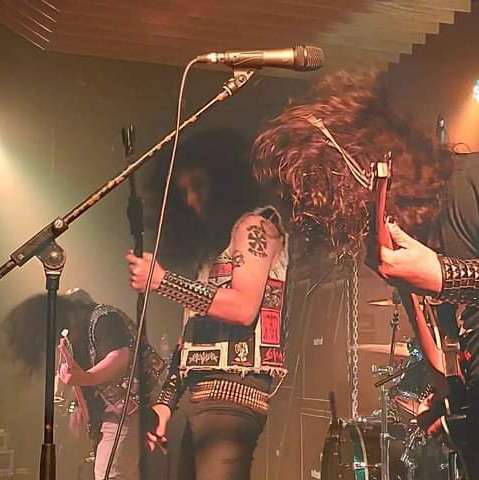
Burgerkill stands as the iconic ambassador of Indonesian thrash metal. Formed in Bandung in the mid-1990s, they became a touchstone for a generation of metal fans in Indonesia and helped put Indonesian extreme metal on the international map. Their relentless energy, intensity, and willingness to push boundaries across thrash, groove, and metalcore-adjacent textures helped broaden the genre’s appeal and inspired numerous bands across the archipelago. Beyond Burgerkill, a broad cohort of underground acts—often regional—kept the flame alive, blasting aggressive riffs through local circuits and contributing to a robust live culture: weekend gigs, brutal mosh pits, and tight-knit fan communities that traded show stories as eagerly as demo tapes.
In terms of reach, Indonesian thrash remains most popular at home, where the scene has the most generations of fans, venues, and label activity. It also maintains a presence in neighboring Southeast Asian countries where metal communities overlap, and among global extreme metal fans who seek out regional sounds online or at tours whenever Indonesian acts travel abroad. The diaspora and touring circuits have helped introduce Indonesian thrash to Europe, North America, and Australasia, though the core audience is still Indonesia-based. In short, Indonesian thrash metal is a local phenomenon with regional kinship and periodic international exposure, anchored by a relentless live culture and a lineage that threads back to the late-20th-century global thrash explosion while continuing to evolve in its own intense, passionate direction.
Musically, Indonesian thrash metal often sits on a spectrum between pure speed and groove-laden aggression. You’ll hear the characteristic tremolo-picked ripples and rapid-fire drumming that define classic thrash, but with a distinctive local warmth and urgency. Some bands lean into harsher, more aggressive edges that drift toward death or hardcore influences, while others emphasize melodic hooks within the chaos. Lyrically, themes range from social critique and political unrest to personal struggle, all delivered with a directness that mirrors the urgency of the live experience. The production in the early days tended toward raw, punk-inflected clarity, then evolved toward louder, more polished sounds as studios and independent labels matured.
Burgerkill stands as the iconic ambassador of Indonesian thrash metal. Formed in Bandung in the mid-1990s, they became a touchstone for a generation of metal fans in Indonesia and helped put Indonesian extreme metal on the international map. Their relentless energy, intensity, and willingness to push boundaries across thrash, groove, and metalcore-adjacent textures helped broaden the genre’s appeal and inspired numerous bands across the archipelago. Beyond Burgerkill, a broad cohort of underground acts—often regional—kept the flame alive, blasting aggressive riffs through local circuits and contributing to a robust live culture: weekend gigs, brutal mosh pits, and tight-knit fan communities that traded show stories as eagerly as demo tapes.
In terms of reach, Indonesian thrash remains most popular at home, where the scene has the most generations of fans, venues, and label activity. It also maintains a presence in neighboring Southeast Asian countries where metal communities overlap, and among global extreme metal fans who seek out regional sounds online or at tours whenever Indonesian acts travel abroad. The diaspora and touring circuits have helped introduce Indonesian thrash to Europe, North America, and Australasia, though the core audience is still Indonesia-based. In short, Indonesian thrash metal is a local phenomenon with regional kinship and periodic international exposure, anchored by a relentless live culture and a lineage that threads back to the late-20th-century global thrash explosion while continuing to evolve in its own intense, passionate direction.