Genre
instrumental worship
Top Instrumental worship Artists
Showing 25 of 109 artists

















About Instrumental worship
Instrumental worship is a subgenre of Christian worship music that centers on instrumental soundscapes—piano, guitar, strings, ambient synths, and minimal percussion—crafted to foster prayer, meditation, and corporate reverence without lyrics. Its aim is not to tell a story with words but to invite the listener into a spacious, contemplative encounter with the divine. The genre often functions as a sonic backdrop for personal devotion or for worship settings where a congregational chorus isn’t sung, offering a serene canvas for reflection and focus.
The birth of instrumental worship can be traced to the broader rise of contemporary worship music in the late 20th century. As singer-songwriters and worship teams experimented with new formats for church services, there grew a demand for instrumental materials that could accompany prayer, intercession, or moments of silence. By the early 2000s, a recognizable niche had formed: albums and collections designed specifically for devotional listening and quiet corporate atmospheres. This was reinforced by the increasing accessibility of home studios and digital distribution, which allowed composers to publish intimate, instrument-led works outside traditional concert halls or church rosters.
Typical instrumentation in instrumental worship leans toward piano-led melodies, often complemented by lush pad textures, gentle strings, and subtle acoustic guitar. The mood ranges from intimate, hymn-like introspection to expansive, cinematic reverie. The focus is on harmonic color, timbral detail, and rhythmic restraint—elements that invite steady listening and a personal pace of worship. While not always overtly devotional in length or form, the best pieces create a sense of sacred space, making them popular for meditation, quiet time, or moments of reverent preparation before or after worship sets.
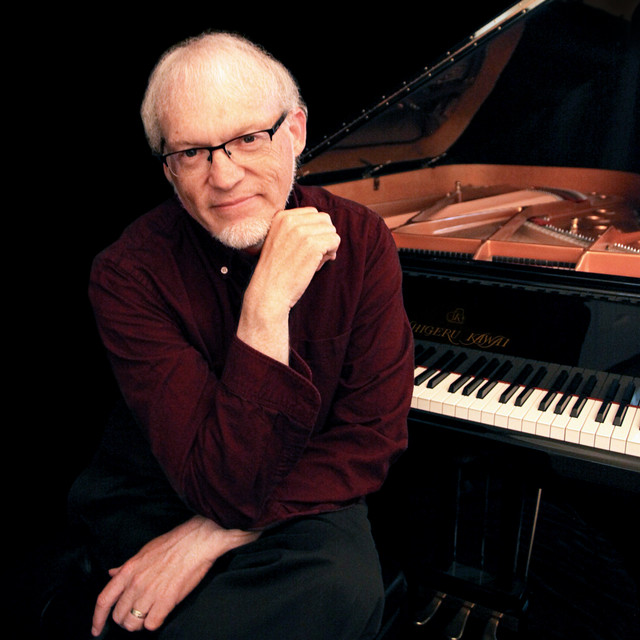
Among the genre’s ambassadors, two names frequently cited by enthusiasts are Paul Cardall and David Nevue. Paul Cardall is a pianist whose instrumental worship albums—spanning soothing solos and gentle, prayerful pieces—have become touchstones for listeners seeking a contemplative worship mood. David Nevue, a prolific contemporary pianist and composer, has built a large catalog of piano-driven instrumental worship and devotional music that circulates widely on streaming platforms and through independent labels. Both artists are celebrated for their emotive touch, lyrical pianism, and ability to convey reverence through pure, textural musical storytelling. Beyond these soloists, a host of composers and ensembles in the instrumental Christian music community contribute textures, timbres, and arrangements that push the genre forward, often releasing works under Christian labels or independent channels.
Geographically, instrumental worship has found its strongest footing in the United States and Canada, where contemporary worship culture is deeply embedded in church life and concert ecosystems. It also enjoys traction in the United Kingdom, Australia, and parts of continental Europe, where listeners appreciate devotional music with a modern, sonic sophistication. In Latin America and Asia, its popularity tends to grow within church communities that embrace modern worship aesthetics and seek instrumental resources for prayer spaces, retreats, and personal listening.
For music enthusiasts, instrumental worship offers a refined portal into worship as atmosphere—where musical textures, dynamics, and restraint become acts of devotion. It rewards attentive listening, invites silence, and can deepen the experience of prayer without words, making it a meaningful complement to lyrics-driven worship or a focused companion to meditation and study.
The birth of instrumental worship can be traced to the broader rise of contemporary worship music in the late 20th century. As singer-songwriters and worship teams experimented with new formats for church services, there grew a demand for instrumental materials that could accompany prayer, intercession, or moments of silence. By the early 2000s, a recognizable niche had formed: albums and collections designed specifically for devotional listening and quiet corporate atmospheres. This was reinforced by the increasing accessibility of home studios and digital distribution, which allowed composers to publish intimate, instrument-led works outside traditional concert halls or church rosters.
Typical instrumentation in instrumental worship leans toward piano-led melodies, often complemented by lush pad textures, gentle strings, and subtle acoustic guitar. The mood ranges from intimate, hymn-like introspection to expansive, cinematic reverie. The focus is on harmonic color, timbral detail, and rhythmic restraint—elements that invite steady listening and a personal pace of worship. While not always overtly devotional in length or form, the best pieces create a sense of sacred space, making them popular for meditation, quiet time, or moments of reverent preparation before or after worship sets.
Among the genre’s ambassadors, two names frequently cited by enthusiasts are Paul Cardall and David Nevue. Paul Cardall is a pianist whose instrumental worship albums—spanning soothing solos and gentle, prayerful pieces—have become touchstones for listeners seeking a contemplative worship mood. David Nevue, a prolific contemporary pianist and composer, has built a large catalog of piano-driven instrumental worship and devotional music that circulates widely on streaming platforms and through independent labels. Both artists are celebrated for their emotive touch, lyrical pianism, and ability to convey reverence through pure, textural musical storytelling. Beyond these soloists, a host of composers and ensembles in the instrumental Christian music community contribute textures, timbres, and arrangements that push the genre forward, often releasing works under Christian labels or independent channels.
Geographically, instrumental worship has found its strongest footing in the United States and Canada, where contemporary worship culture is deeply embedded in church life and concert ecosystems. It also enjoys traction in the United Kingdom, Australia, and parts of continental Europe, where listeners appreciate devotional music with a modern, sonic sophistication. In Latin America and Asia, its popularity tends to grow within church communities that embrace modern worship aesthetics and seek instrumental resources for prayer spaces, retreats, and personal listening.
For music enthusiasts, instrumental worship offers a refined portal into worship as atmosphere—where musical textures, dynamics, and restraint become acts of devotion. It rewards attentive listening, invites silence, and can deepen the experience of prayer without words, making it a meaningful complement to lyrics-driven worship or a focused companion to meditation and study.