Genre
irish country
Top Irish country Artists
Showing 25 of 86 artists


About Irish country
Irish country, or country and Irish, is a spirited fusion of traditional Irish folk and American country music that has become one of Ireland's most durable exports to the world. It sits at the crossroads of lilting fiddle tunes, crooning ballads, and stadium-ready choruses, delivering songs that feel equally at home in a pub session and a festival main stage. The blend honors the Irish storytelling impulse while embracing the warmth and optimism of Nashville-inspired arrangements.
Origins are gradual rather than a single moment. In the postwar era Irish musicians began absorbing American country, while Irish traditional groups kept their reels and jigs alive in parallel. By the late 20th century the two streams began to mingle with greater frequency on radio, television and live circuits, giving rise to a recognisable country and Irish sound. The format really took off with touring artists who built a cross-border audience across the island and among Irish communities abroad. Its modern wave is anchored by stage-friendly singers who can croon a lament one moment and kick up a chorus the next.
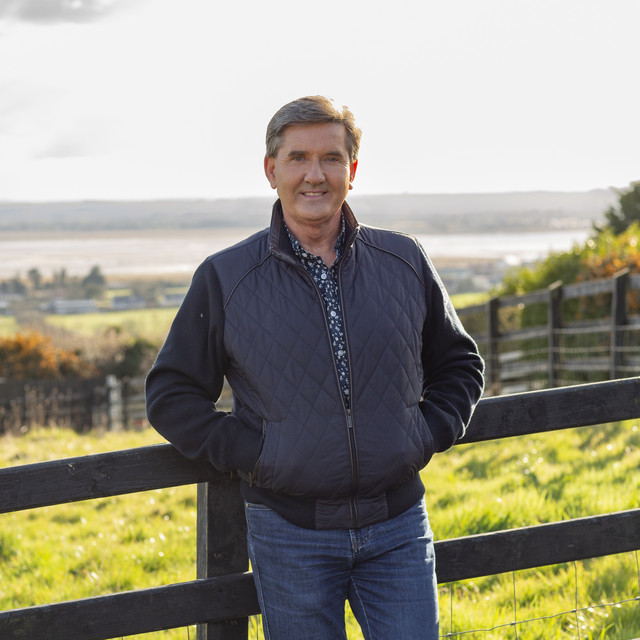
Key ambassadors include Daniel O'Donnell, whose soft voice and wide touring schedule helped bring country and Irish to households across Ireland, the UK, and North America. Philomena Begley is revered as a matriarch of the scene, combining traditional Irish songs with country phrasing. Nathan Carter and Mike Denver have carried the tradition into bustling contemporary circuits with high-energy live shows and charting singles. Lisa McHugh has become a touchstone for younger listeners, while veteran performers such as Brendan Shine and Patsy O'Connor also contribute.
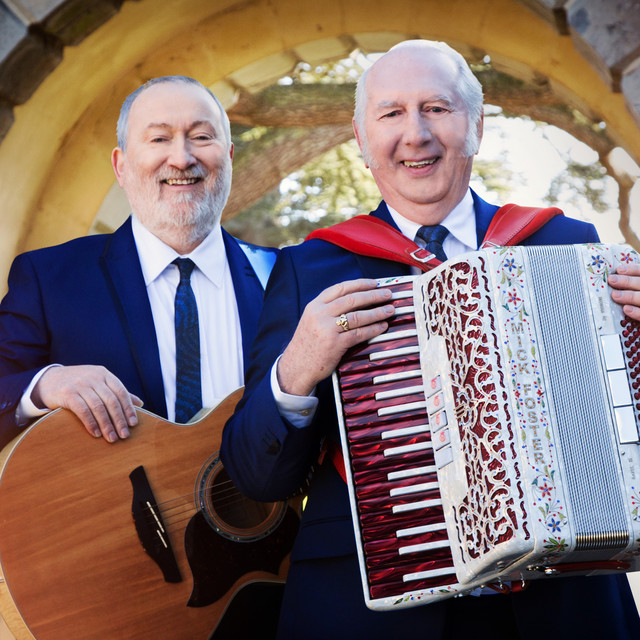
Instruments and sound: The sound combines fiddle and accordion with guitar, banjo, pedal steel or dobro, and mandolin, often underpinned by clean, crowd-pleasing choruses. You hear jigs and reels braided into ballads, with storytelling that can be intimate, romantic or humorous. The tempo can swing from waltzes to upbeat anthems, with orchestration that favours warmth and clarity over heaviness. The vocal style leans toward clear, melodic singing with traditional phrasing, easy to sing along to.
Geography and popularity: Ireland and Northern Ireland are home bases, but the style has sustained a long-running fanbase in the United Kingdom and across Irish diaspora in Canada, the United States, Australia and beyond. In those places, country and Irish shows fill theatres, pubs, and festival bills; festivals like "Country and Irish" tours and themed nights help keep the scene dynamic. On radio and streaming, the genre often sits near mainstream country, making it accessible for listeners who appreciate both pop-country crossovers and Celtic nuance.
For enthusiasts, Irish country offers a living bridge between the old and the new: the lilting melancholy of a traditional Irish song folded into the exuberant storytelling and hook-minded craft of country. If you want to dip in, start with Daniel O'Donnell's early records for a soft entry, then explore Nathan Carter's and Lisa McHugh's contemporary albums to hear how the sound travels into the 21st century. It's a welcoming genre for newcomers and a treasure for connoisseurs.
Origins are gradual rather than a single moment. In the postwar era Irish musicians began absorbing American country, while Irish traditional groups kept their reels and jigs alive in parallel. By the late 20th century the two streams began to mingle with greater frequency on radio, television and live circuits, giving rise to a recognisable country and Irish sound. The format really took off with touring artists who built a cross-border audience across the island and among Irish communities abroad. Its modern wave is anchored by stage-friendly singers who can croon a lament one moment and kick up a chorus the next.
Key ambassadors include Daniel O'Donnell, whose soft voice and wide touring schedule helped bring country and Irish to households across Ireland, the UK, and North America. Philomena Begley is revered as a matriarch of the scene, combining traditional Irish songs with country phrasing. Nathan Carter and Mike Denver have carried the tradition into bustling contemporary circuits with high-energy live shows and charting singles. Lisa McHugh has become a touchstone for younger listeners, while veteran performers such as Brendan Shine and Patsy O'Connor also contribute.
Instruments and sound: The sound combines fiddle and accordion with guitar, banjo, pedal steel or dobro, and mandolin, often underpinned by clean, crowd-pleasing choruses. You hear jigs and reels braided into ballads, with storytelling that can be intimate, romantic or humorous. The tempo can swing from waltzes to upbeat anthems, with orchestration that favours warmth and clarity over heaviness. The vocal style leans toward clear, melodic singing with traditional phrasing, easy to sing along to.
Geography and popularity: Ireland and Northern Ireland are home bases, but the style has sustained a long-running fanbase in the United Kingdom and across Irish diaspora in Canada, the United States, Australia and beyond. In those places, country and Irish shows fill theatres, pubs, and festival bills; festivals like "Country and Irish" tours and themed nights help keep the scene dynamic. On radio and streaming, the genre often sits near mainstream country, making it accessible for listeners who appreciate both pop-country crossovers and Celtic nuance.
For enthusiasts, Irish country offers a living bridge between the old and the new: the lilting melancholy of a traditional Irish song folded into the exuberant storytelling and hook-minded craft of country. If you want to dip in, start with Daniel O'Donnell's early records for a soft entry, then explore Nathan Carter's and Lisa McHugh's contemporary albums to hear how the sound travels into the 21st century. It's a welcoming genre for newcomers and a treasure for connoisseurs.