Genre
iskelmä
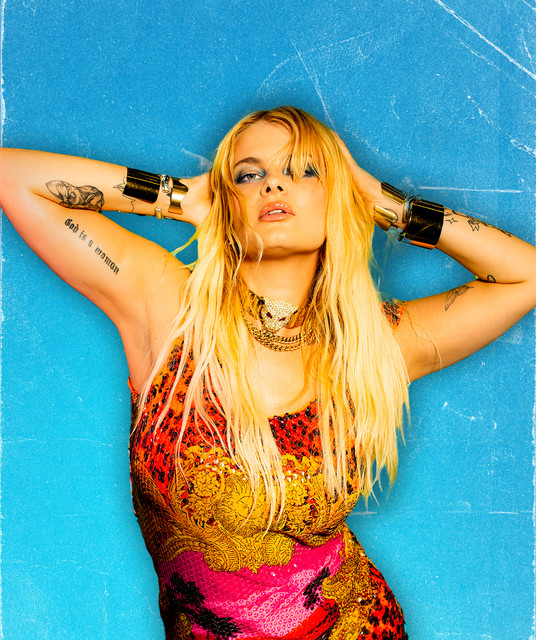
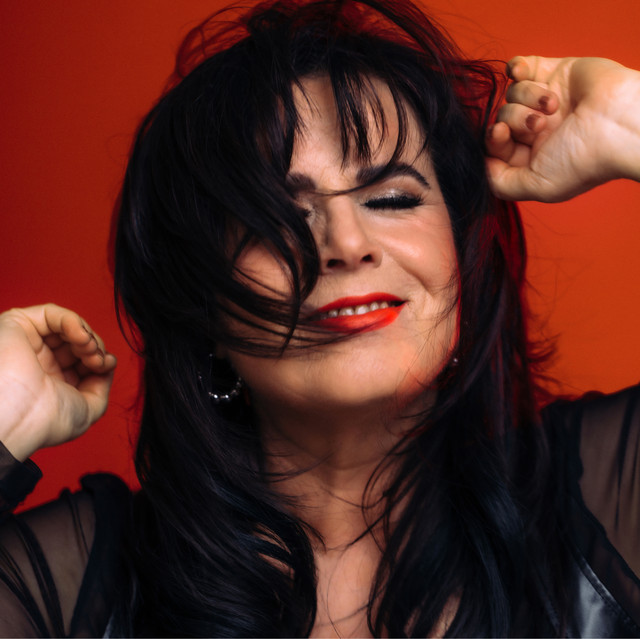
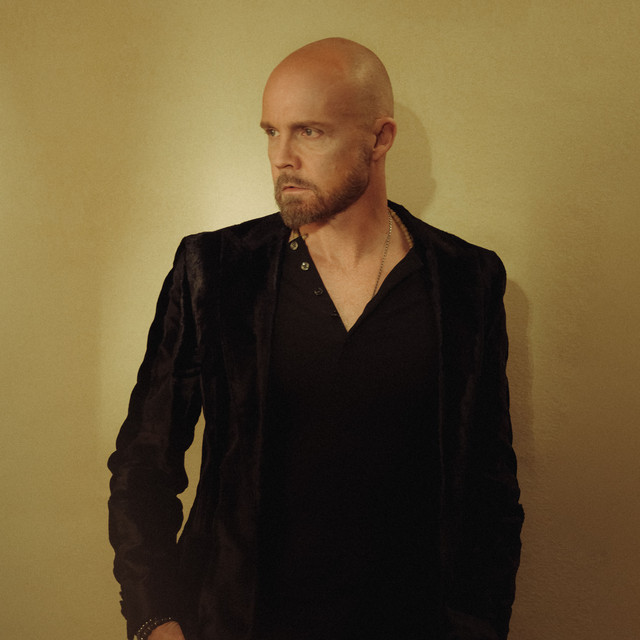
Top Iskelmä Artists
Showing 25 of 1,583 artists














About Iskelmä
Iskelmä is a distinctly Finnish vein of popular music, built on catchy melodies, sing-along refrains, and heart-on-sleeve lyrics. The name itself signals a simple, accessible tune — a "hit" you can hum on the ferry, in a dance hall, or at a cottage by the lake. While it shares kinship with the broader schlager tradition found across Europe, iskelmä has developed its own Finnish identity, vocabulary, and storytelling.
Origins and birth of the genre
Iskelmä began to crystallize in post-war Finland, taking shape in the 1950s as radio and dance-hall culture reintroduced romance, nostalgia, and easy listening into everyday life. It drew on the German Schlager tradition, as well as Italian canzoni, American pop, and the traditional Finnish tango-influenced repertoire. The term “iskelmä” gained currency to describe this approachable, emotionally direct style. Songs were crafted to be accessible to broad audiences, often performed by charismatic crooners who could translate universal feelings into distinctly Finnish storytelling.
What makes it sound and feel Finnish
Musically, iskelmä tends toward smooth melodies, clear vocal lines, and arrangements that serve the voice. Expect piano, acoustic guitar, accordion, and orchestral textures that allow a chorus to lift a tune into something memorable. Rhythms range from lilting waltzes and foxtrots to gentle tangos, all tailored for dancing or easy listening. Lyrically, iskelmä centers on love, longing, everyday life, nostalgia, and the small dramas of ordinary people—subject matter that resonates with broad audiences.
Key artists and ambassadors
The genre’s pantheon includes several generations of performers who came to symbolize iskelmä at different moments:
- Olavi Virta (1926–1982): One of the definitive post-war Finnish vocalists, whose prolific output and charismatic presence helped popularize iskelmä across decades.
- Tapio Rautavaara (1915–1979): A multi-talent whose recordings and performances added a rugged warmth to the era’s ballads and dance tunes.
- Reino Helismaa (1913–1965): A prolific songwriter and performer, whose lyrics and melodies became a blueprint for iskelmä songs tackled by many later singers; he co-composed enduring hits with Virta and others.
- Eino Grön (b. 1939) and Katri Helena (b. 1945): Representing the long-running female voice tradition within iskelmä, with a string of durable hits from the 1960s onward.
- Rauli Badding Somerjoki (1947–1987) and Kari Tapio (1940–2010): Generational pillars who carried the genre into the 1970s–1990s with a more contemporary, rock-tinged iskelmä sensibility and larger-than-life stage personas.
Global footprint
Iskelmä is most popular in Finland, where it remains a staple of national pop culture, radio formats, and live programming. Outside Finland, it has a more modest footprint, primarily among Finnish-speaking audiences in Sweden and other diaspora communities. The broader schlager ecosystem in Nordic and Central European countries shares DNA with iskelmä, but the Finnish version remains distinctly rooted in language, local sentiments, and Finnish storytelling rhythms.
Legacy and contemporary scene
Today iskelmä continues to evolve, maintaining its role as both a nostalgic portal to mid-20th-century Finland and a living, evolving genre that welcomes new voices. Contemporary iskelmä artists blend traditional melodic clarity with modern production, ensuring the songs keep humming in the minds of listeners who grew up with them and new fans discovering the genre for the first time. For enthusiasts, iskelmä offers a rich archive of hits and a living culture of concerts, radio programs, and festivals that celebrate Finland’s melodic heart.
Origins and birth of the genre
Iskelmä began to crystallize in post-war Finland, taking shape in the 1950s as radio and dance-hall culture reintroduced romance, nostalgia, and easy listening into everyday life. It drew on the German Schlager tradition, as well as Italian canzoni, American pop, and the traditional Finnish tango-influenced repertoire. The term “iskelmä” gained currency to describe this approachable, emotionally direct style. Songs were crafted to be accessible to broad audiences, often performed by charismatic crooners who could translate universal feelings into distinctly Finnish storytelling.
What makes it sound and feel Finnish
Musically, iskelmä tends toward smooth melodies, clear vocal lines, and arrangements that serve the voice. Expect piano, acoustic guitar, accordion, and orchestral textures that allow a chorus to lift a tune into something memorable. Rhythms range from lilting waltzes and foxtrots to gentle tangos, all tailored for dancing or easy listening. Lyrically, iskelmä centers on love, longing, everyday life, nostalgia, and the small dramas of ordinary people—subject matter that resonates with broad audiences.
Key artists and ambassadors
The genre’s pantheon includes several generations of performers who came to symbolize iskelmä at different moments:
- Olavi Virta (1926–1982): One of the definitive post-war Finnish vocalists, whose prolific output and charismatic presence helped popularize iskelmä across decades.
- Tapio Rautavaara (1915–1979): A multi-talent whose recordings and performances added a rugged warmth to the era’s ballads and dance tunes.
- Reino Helismaa (1913–1965): A prolific songwriter and performer, whose lyrics and melodies became a blueprint for iskelmä songs tackled by many later singers; he co-composed enduring hits with Virta and others.
- Eino Grön (b. 1939) and Katri Helena (b. 1945): Representing the long-running female voice tradition within iskelmä, with a string of durable hits from the 1960s onward.
- Rauli Badding Somerjoki (1947–1987) and Kari Tapio (1940–2010): Generational pillars who carried the genre into the 1970s–1990s with a more contemporary, rock-tinged iskelmä sensibility and larger-than-life stage personas.
Global footprint
Iskelmä is most popular in Finland, where it remains a staple of national pop culture, radio formats, and live programming. Outside Finland, it has a more modest footprint, primarily among Finnish-speaking audiences in Sweden and other diaspora communities. The broader schlager ecosystem in Nordic and Central European countries shares DNA with iskelmä, but the Finnish version remains distinctly rooted in language, local sentiments, and Finnish storytelling rhythms.
Legacy and contemporary scene
Today iskelmä continues to evolve, maintaining its role as both a nostalgic portal to mid-20th-century Finland and a living, evolving genre that welcomes new voices. Contemporary iskelmä artists blend traditional melodic clarity with modern production, ensuring the songs keep humming in the minds of listeners who grew up with them and new fans discovering the genre for the first time. For enthusiasts, iskelmä offers a rich archive of hits and a living culture of concerts, radio programs, and festivals that celebrate Finland’s melodic heart.