Genre
israeli pop
Top Israeli pop Artists
Showing 20 of 20 artists








13
הגל השני
3,363
12,714 listeners
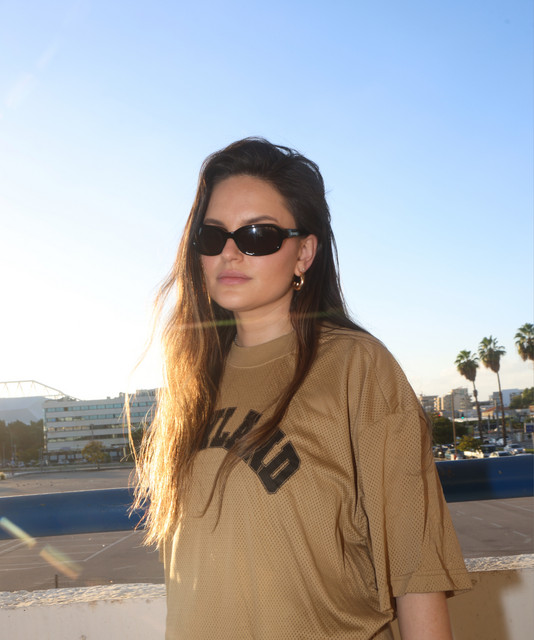

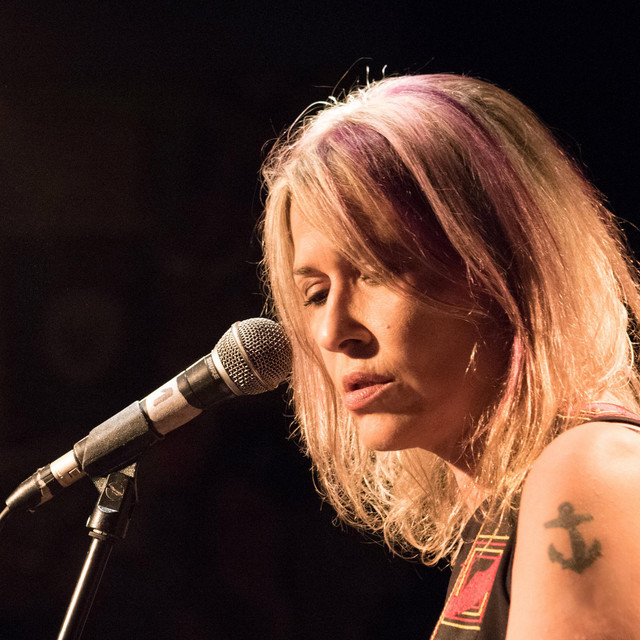



20
רועי סנדלר
5,294
- listeners
About Israeli pop
Israeli pop, often called Hebrew pop, is a living, evolving music scene that sits at the crossroads of Western chart music and Mediterranean/Middle Eastern sensibilities. Born in the social ferment of the fledgling state and the vibrant cultural milieu of Tel Aviv and other urban centers, it grew from Hebrew-language songs into a global-facing sound. The genre blends crisp pop hooks, rock-inflected energy, and intimate vocal delivery with melodies that can feel at once melodic and kinetic. Over the decades it has absorbed American, European, and international pop trends while retaining a distinctive Israeli heartbeat, making it a music that can feel both local and universally appealing.
The genre’s roots are often traced to the late 1960s and 1970s, when pioneers like Arik Einstein and the era’s rock-infused acts began writing in accessible Hebrew with a modern, city-soul sensibility. Around the same time, the group Milk and Honey achieved Eurovision glory for Israel in 1979 with Hallelujah, signaling to the world that Hebrew pop could compete on a grand stage. That period set a template: economical, memorable tunes anchored by expressive vocal delivery and a production balance between radio-friendly polish and rock grit. As the decades progressed, singer-songwriters such as Shlomo Artzi helped define the intimate, literate strand of Hebrew pop, while the broader scene opened up to electronic textures, disco-pop, and later, global pop trends.
From the 1980s onward, Israeli pop diversified dramatically. You could hear synth-driven ballads, upbeat dance-pop, and a growing infusion of Mizrahi and other regional influences that broadened the sonic palette. Ofra Haza became a transformative ambassador, bridging Yemenite vocal tradition with contemporary electronic pop and achieving international hits in Europe and America. The late 1990s and early 2000s brought even broader experiments: Ivri Lider and Ninet Tayeb (among others) pushed pop-rock into sharper, more personal spheres, while the Idan Raichel Project fused Ethiopian Jewish musical languages with modern pop production, creating a global world-music bridge that kept Hebrew lyrics central but broadened audience appeal.
In the 21st century, Israeli pop remains plural and restless. The Tel Aviv scene nurtures indie pop, electro-pop, and bilingual projects, while large-scale productions still dominate radio and festivals. On the international front, Eurovision has continued to act as a loud amplifier: Dana International’s Diva and Netta Barzilai’s Toy are touchstones that show how Hebrew pop can captivate distant audiences without losing its core identity. Contemporary acts routinely collaborate across genres and languages, reflecting a population that speaks Hebrew at home yet listens with global ears.
Today, Israeli pop is both a cultural archive and a forward-looking engine. It preserves a distinctly Israeli voice—often lyrical, sometimes political, always melodic—while embracing experimentation and cross-cultural exchange. For music enthusiasts, it offers a rich spectrum: nostalgic ballads, punchy radio pop, soulful singer-songwriting, and boundary-pushing electronic hybrids, all anchored in a language and place that continually redefine what popular music can sound like.
The genre’s roots are often traced to the late 1960s and 1970s, when pioneers like Arik Einstein and the era’s rock-infused acts began writing in accessible Hebrew with a modern, city-soul sensibility. Around the same time, the group Milk and Honey achieved Eurovision glory for Israel in 1979 with Hallelujah, signaling to the world that Hebrew pop could compete on a grand stage. That period set a template: economical, memorable tunes anchored by expressive vocal delivery and a production balance between radio-friendly polish and rock grit. As the decades progressed, singer-songwriters such as Shlomo Artzi helped define the intimate, literate strand of Hebrew pop, while the broader scene opened up to electronic textures, disco-pop, and later, global pop trends.
From the 1980s onward, Israeli pop diversified dramatically. You could hear synth-driven ballads, upbeat dance-pop, and a growing infusion of Mizrahi and other regional influences that broadened the sonic palette. Ofra Haza became a transformative ambassador, bridging Yemenite vocal tradition with contemporary electronic pop and achieving international hits in Europe and America. The late 1990s and early 2000s brought even broader experiments: Ivri Lider and Ninet Tayeb (among others) pushed pop-rock into sharper, more personal spheres, while the Idan Raichel Project fused Ethiopian Jewish musical languages with modern pop production, creating a global world-music bridge that kept Hebrew lyrics central but broadened audience appeal.
In the 21st century, Israeli pop remains plural and restless. The Tel Aviv scene nurtures indie pop, electro-pop, and bilingual projects, while large-scale productions still dominate radio and festivals. On the international front, Eurovision has continued to act as a loud amplifier: Dana International’s Diva and Netta Barzilai’s Toy are touchstones that show how Hebrew pop can captivate distant audiences without losing its core identity. Contemporary acts routinely collaborate across genres and languages, reflecting a population that speaks Hebrew at home yet listens with global ears.
Today, Israeli pop is both a cultural archive and a forward-looking engine. It preserves a distinctly Israeli voice—often lyrical, sometimes political, always melodic—while embracing experimentation and cross-cultural exchange. For music enthusiasts, it offers a rich spectrum: nostalgic ballads, punchy radio pop, soulful singer-songwriting, and boundary-pushing electronic hybrids, all anchored in a language and place that continually redefine what popular music can sound like.