Genre
israeli singer-songwriter
Top Israeli singer-songwriter Artists
Showing 25 of 37 artists

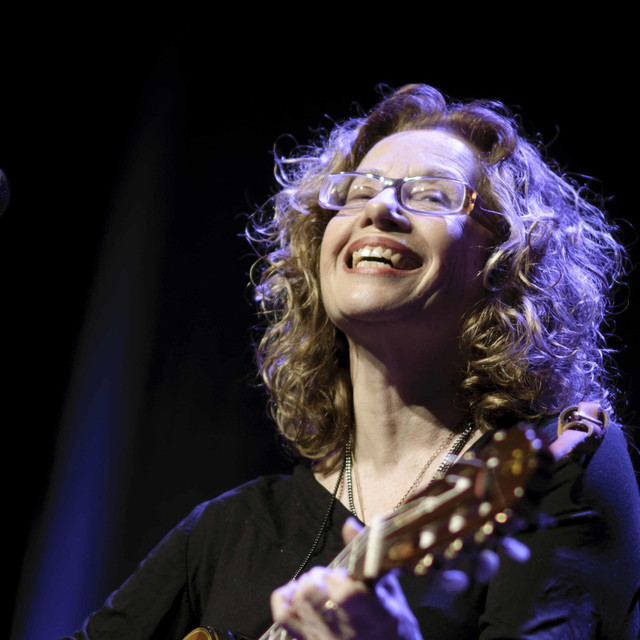
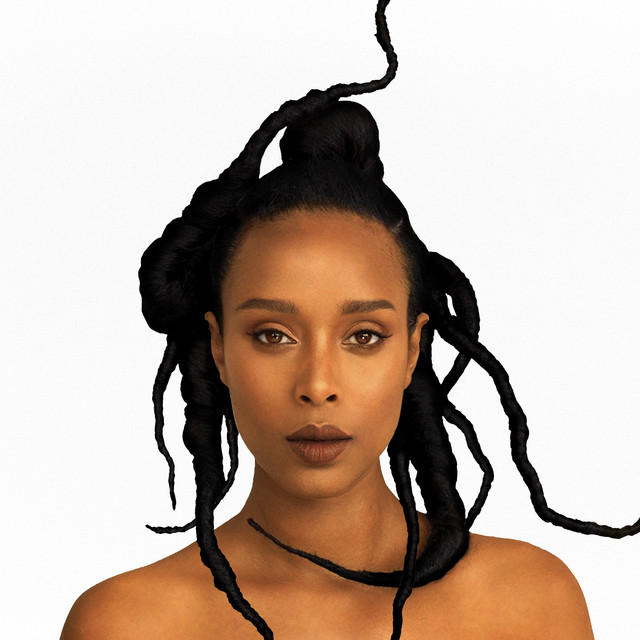
4
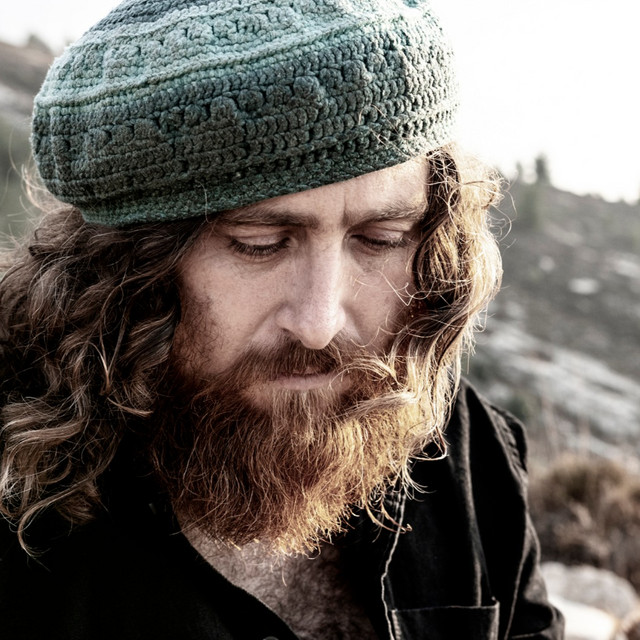
ביני לנדאו
Israel
33,727
77,968 listeners

6
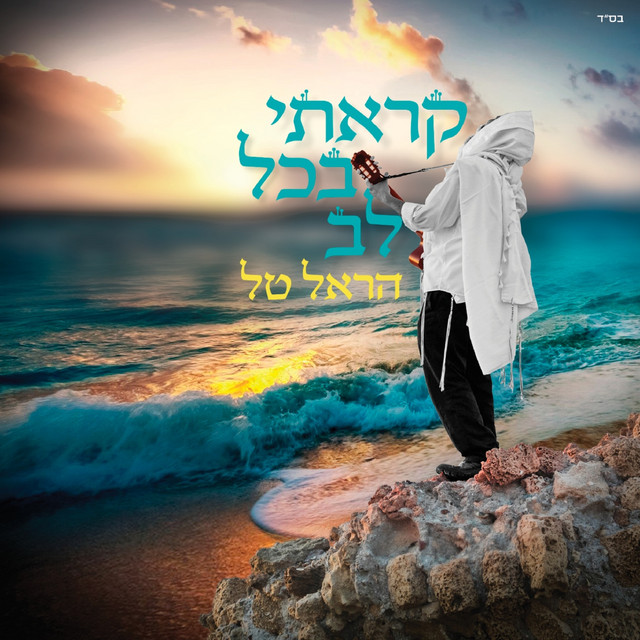
הראל טל
Israel
14,359
65,507 listeners






About Israeli singer-songwriter
Israeli singer-songwriter is a distinct thread in the tapestry of Hebrew-language popular music. It centers on artists who write, compose and perform their own material, often delivering intimate, narrative lyrics over melodic, guitar- or piano-driven arrangements. The genre grew from Israel’s post‑war cultural ambition to fuse folk storytelling with contemporary rock and pop, creating a vocal voice both personal and rooted in the Israeli experience.
Its birth is typically traced to the 1960s and 1970s, a period of explosive Hebrew-language creativity. Pioneers such as Arik Einstein and Shlomo Hanoch helped set the template: songs rooted in everyday life, social observation and self-expression, performed with a simplicity that foregrounded the songwriter’s voice. Yossi Banai, a lyricist and performer, expanded the field with a literary, city‑poet sensibility. These early figures helped establish the archetype of the Israeli singer‑songwriter: a performer who writes from the heart about love, politics, memory and change, using native Hebrew with a direct, melodic clarity.
In the following decades, the movement broadened in sound and scope. Shlomo Artzi became one of Israel’s best‑selling singer‑songwriters, blending folk‑rock textures with lyrical storytelling that spoke to generations of listeners. Ehud Banai, Avraham Tal, and Rami Kleinstein carried the torch into the 1980s and 1990s with warm, piano‑driven tunes and a cultivated sense of lyric craft. The 1990s and 2000s brought a new wave of writers who embraced pop and alternative textures while preserving the songwriter’s core ethos: the authorial voice, the personal narrative, the compact, memorable tunes.
Today’s Israeli singer-songwriters often navigate a plural musical landscape: folk, rock, indie, and even Middle Eastern or Mizrahi inflections can appear alongside contemplative piano ballads or acoustic guitar classics. Notable contemporary ambassadors include Noa (Achinoam Nini), who pairs elegant Hebrew lyricism with international collaborations; Aviv Geffen, a provocateur whose introspective songs helped redefine modern Hebrew rock; and Keren Peles, whose melodic craft and relatable storytelling have made her a cornerstone of the genre’s current wave. Asaf Avidan rose to global prominence with a raw, distinctive voice and a blend of folk, blues, and pop that crossed language barriers. David Broza remains a bridge figure, fusing Spanish textures with Israeli songwriting and touring internationally.
Where is this music most popular? Israel is the natural home and primary audience, where Hebrew lyrics and culturally specific references resonate deeply with listeners. Beyond Israel, the genre maintains a steady diaspora footprint—particularly in the United States, the United Kingdom, Canada, and parts of Western Europe—where listeners seek authentic, lyric‑driven songwriting and the sense of shared identity that Hebrew songs can convey. Internationally, artists in the tradition have often presented in multiple languages or leveraged collaborations to reach wider audiences, yet the core remains unmistakably Hebrew, personal and sharply melodic.
If you’re exploring the Israeli singer‑songwriter universe, listen for the moment when a lyric lands with clarity and a melody follows with quiet confidence. That balance—the writer’s truth meeting the singer’s voice—defines the best of the genre. It’s music that asks to be heard, understood, and carried forward by devoted listeners and fellow creators alike.
Its birth is typically traced to the 1960s and 1970s, a period of explosive Hebrew-language creativity. Pioneers such as Arik Einstein and Shlomo Hanoch helped set the template: songs rooted in everyday life, social observation and self-expression, performed with a simplicity that foregrounded the songwriter’s voice. Yossi Banai, a lyricist and performer, expanded the field with a literary, city‑poet sensibility. These early figures helped establish the archetype of the Israeli singer‑songwriter: a performer who writes from the heart about love, politics, memory and change, using native Hebrew with a direct, melodic clarity.
In the following decades, the movement broadened in sound and scope. Shlomo Artzi became one of Israel’s best‑selling singer‑songwriters, blending folk‑rock textures with lyrical storytelling that spoke to generations of listeners. Ehud Banai, Avraham Tal, and Rami Kleinstein carried the torch into the 1980s and 1990s with warm, piano‑driven tunes and a cultivated sense of lyric craft. The 1990s and 2000s brought a new wave of writers who embraced pop and alternative textures while preserving the songwriter’s core ethos: the authorial voice, the personal narrative, the compact, memorable tunes.
Today’s Israeli singer-songwriters often navigate a plural musical landscape: folk, rock, indie, and even Middle Eastern or Mizrahi inflections can appear alongside contemplative piano ballads or acoustic guitar classics. Notable contemporary ambassadors include Noa (Achinoam Nini), who pairs elegant Hebrew lyricism with international collaborations; Aviv Geffen, a provocateur whose introspective songs helped redefine modern Hebrew rock; and Keren Peles, whose melodic craft and relatable storytelling have made her a cornerstone of the genre’s current wave. Asaf Avidan rose to global prominence with a raw, distinctive voice and a blend of folk, blues, and pop that crossed language barriers. David Broza remains a bridge figure, fusing Spanish textures with Israeli songwriting and touring internationally.
Where is this music most popular? Israel is the natural home and primary audience, where Hebrew lyrics and culturally specific references resonate deeply with listeners. Beyond Israel, the genre maintains a steady diaspora footprint—particularly in the United States, the United Kingdom, Canada, and parts of Western Europe—where listeners seek authentic, lyric‑driven songwriting and the sense of shared identity that Hebrew songs can convey. Internationally, artists in the tradition have often presented in multiple languages or leveraged collaborations to reach wider audiences, yet the core remains unmistakably Hebrew, personal and sharply melodic.
If you’re exploring the Israeli singer‑songwriter universe, listen for the moment when a lyric lands with clarity and a melody follows with quiet confidence. That balance—the writer’s truth meeting the singer’s voice—defines the best of the genre. It’s music that asks to be heard, understood, and carried forward by devoted listeners and fellow creators alike.