Genre
israeli techno
Top Israeli techno Artists
Showing 25 of 33 artists












About Israeli techno
Israeli techno is a vibrant branch of the global techno family that grew out of Israel’s prolific electronic-music culture. It tends to fuse the relentless propulsion and precise phrasing of techno with melodic textures, deep bass, and—at times—a spark of Middle Eastern influence. The result is a sound that can feel hypnotic and expansive, yet always drive-forward on the dancefloor.
Origins and development: The Israeli techno story began in the late 1990s and accelerated through the 2000s as local DJs and producers absorbed Detroit and European techno while developing their own twist. Tel Aviv emerged as the scene’s epicenter, with clubs, underground parties, and a generation of artists who traveled abroad, learned from European scenes, and returned with new ideas. Over the years, a robust ecosystem of labels, collectives, and venues formed, giving rise to a distinct Israeli voice within techno.
Sound and sensibilities: Israeli techno often emphasizes groove and atmosphere. You’ll hear rolling, punchy basslines, crisp percussion, and hypnotic rhythmic cycles that encourage long, immersive sets. Melodic elements—whether warm pads, arpeggios, or spacious chords—appear at many moments, adding emotional arcs without sacrificing momentum. Some tracks lean toward minimal and stripped-down textures, while others embrace more expansive, cinematic sonorities. The sound is frequently described as emotionally charged and highly physical on the dancefloor, whether played in intimate basements or large festival stages.
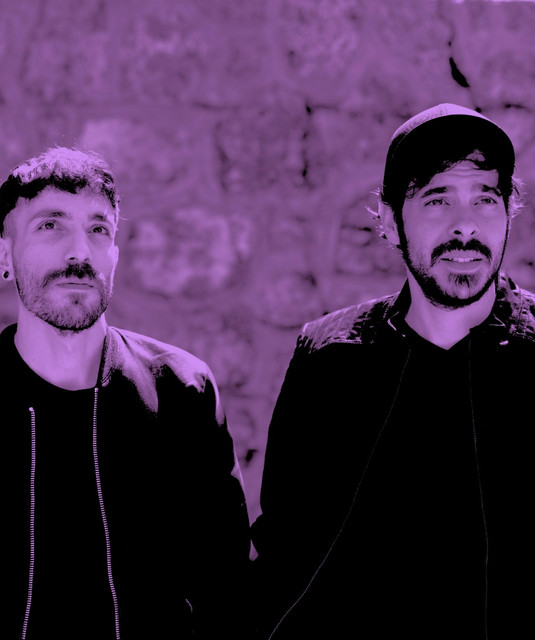
Key artists and ambassadors: Israel has produced a number of international ambassadors for techno. Guy Gerber stands out as one of the scene’s most visible figures; his productions and live sets blend techno’s motor with moody, cinematic textures, and his Rumors imprint helped bring Israeli electronic music to clubs and festivals around the world. Shlomi Aber is another pillar—the deep, hypnotic side of his sets and his Be As One projects helped shape the deeper strains of Israeli techno and connected European and North American audiences with the local sound. Red Axes, the Tel Aviv duo, have also become globally recognized for their energetic live performances and club-ready productions that straddle techno and house, touring extensively and releasing on notable labels. These artists serve not only as performers but as cultural ambassadors, opening doors for new generations of Israeli producers.
Global reach and audience: While rooted in Israel, the genre has earned a dedicated following across Europe and North America. European capitals—Berlin, London, Amsterdam, and beyond—have hosted Israeli techno acts on major stages, contributing to a cross-pollination that keeps the music fresh. In Israel and among diaspora communities, the sound resonates in clubs and festivals that celebrate a cosmopolitan electronic-music culture. The scene continues to attract new producers who bring fresh ideas, instrumentation, and production techniques to the table.
Future directions: Israeli techno remains dynamic and evolving. It benefits from a strong lineage, a supportive club and label infrastructure, and a new wave of artists experimenting with hybrid forms—melding techno’s rigor with more melodic or textural explorations. As the scene grows, its ambassadors and newcomers alike keep pushing the boundaries, ensuring Israeli techno remains a vital, forward-looking voice in the global dance-music landscape.
Origins and development: The Israeli techno story began in the late 1990s and accelerated through the 2000s as local DJs and producers absorbed Detroit and European techno while developing their own twist. Tel Aviv emerged as the scene’s epicenter, with clubs, underground parties, and a generation of artists who traveled abroad, learned from European scenes, and returned with new ideas. Over the years, a robust ecosystem of labels, collectives, and venues formed, giving rise to a distinct Israeli voice within techno.
Sound and sensibilities: Israeli techno often emphasizes groove and atmosphere. You’ll hear rolling, punchy basslines, crisp percussion, and hypnotic rhythmic cycles that encourage long, immersive sets. Melodic elements—whether warm pads, arpeggios, or spacious chords—appear at many moments, adding emotional arcs without sacrificing momentum. Some tracks lean toward minimal and stripped-down textures, while others embrace more expansive, cinematic sonorities. The sound is frequently described as emotionally charged and highly physical on the dancefloor, whether played in intimate basements or large festival stages.
Key artists and ambassadors: Israel has produced a number of international ambassadors for techno. Guy Gerber stands out as one of the scene’s most visible figures; his productions and live sets blend techno’s motor with moody, cinematic textures, and his Rumors imprint helped bring Israeli electronic music to clubs and festivals around the world. Shlomi Aber is another pillar—the deep, hypnotic side of his sets and his Be As One projects helped shape the deeper strains of Israeli techno and connected European and North American audiences with the local sound. Red Axes, the Tel Aviv duo, have also become globally recognized for their energetic live performances and club-ready productions that straddle techno and house, touring extensively and releasing on notable labels. These artists serve not only as performers but as cultural ambassadors, opening doors for new generations of Israeli producers.
Global reach and audience: While rooted in Israel, the genre has earned a dedicated following across Europe and North America. European capitals—Berlin, London, Amsterdam, and beyond—have hosted Israeli techno acts on major stages, contributing to a cross-pollination that keeps the music fresh. In Israel and among diaspora communities, the sound resonates in clubs and festivals that celebrate a cosmopolitan electronic-music culture. The scene continues to attract new producers who bring fresh ideas, instrumentation, and production techniques to the table.
Future directions: Israeli techno remains dynamic and evolving. It benefits from a strong lineage, a supportive club and label infrastructure, and a new wave of artists experimenting with hybrid forms—melding techno’s rigor with more melodic or textural explorations. As the scene grows, its ambassadors and newcomers alike keep pushing the boundaries, ensuring Israeli techno remains a vital, forward-looking voice in the global dance-music landscape.