Genre
italian baritone
Top Italian baritone Artists
Showing 7 of 7 artists


About Italian baritone
The Italian baritone is not a single song genre but a storied voice category and performance tradition at the heart of Italian opera. It refers to a male vocal range that sits between lyric tenors and basses, prized for its warmth, vocal ballast, expressive legato, and dramatic flexibility. In the repertoire, the Italian baritone often embodies fathers, nobles, villains, or complex antiheroes, delivering long, melodic lines with generous phrasing and a powerful middle voice.
Origins and birth of the tradition
The baritone voice has been part of opera since the early days of the form, but the authentic “Italian baritone” tradition crystallized in the 18th and 19th centuries as opera expanded beyond front-line heroic tenors and basses. The bel canto era (roughly from the 1820s to the 1840s) and the subsequent Verdi age (mid to late 19th century) established a repertoire that showcased the baritone’s essential role: rendering noble, villainous, and paternal characters with clarity of line, emotional backbone, and a robust dramatic presence. The Italian baritone’s signature style—legato singing, precise phrasing, and a flexible, expressive middle register—became a defining element of Italian operatic drama.
repertoire and stylistic traits
In the Bel Canto and Verdi periods, the baritone was entrusted with some of the most psychologically nuanced roles. Verdi’s Rigoletto, Count di Luna in Il Trovatore, Iago’s close equivalents in later Italian operas, and Amonasro in Aida are archetypal baritone parts that demand both vocal heft and keen dramatic shading. In Puccini’s world, the baritone often supplies critical counterpoints: figures like Scarpia in Tosca, Germont in La Traviata, or Marcello in La Bohème (one of Puccini’s most beloved baritone roles) illustrate the variety of dramatic color and social dimension the voice can inhabit. Beyond Verdi and Puccini, Donizetti and Bellini offered lyric and noble baritone roles that require graceful legato and expressive storytelling. The Italian baritone’s toolkit—rich, well-supported phrase shaping, a warm midrange, and the ability to carry long lines—renders both intimate melodrama and grand, climactic atmsophere with equal effectiveness.
ambassadors and notable interpreters
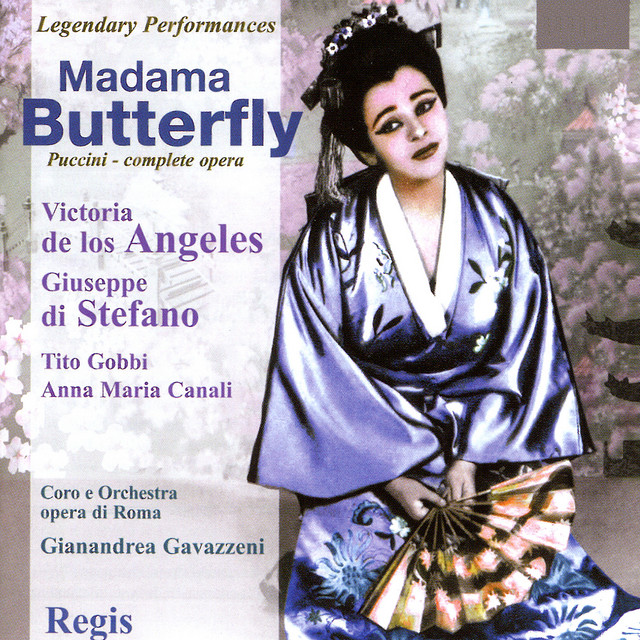
Over the 20th century and into today, several Italian baritones have become benchmark interpreters and ambassadors of this tradition. Tito Gobbi, renowned for his command of Verdi and Puccini, remains a touchstone for intensity and character portrayal. Piero Cappuccilli and Renato Bruson are celebrated for their Verdi and Puccini interpretations, especially in the dramatic, mature baritone repertoire. In more recent decades, Leo Nucci has emerged as a defining voice of the late-Verdi repertoire, delivering authority, warmth, and a commanding stage presence. Their recordings and performances continue to shape how enthusiasts hear the genre and understand its vocal demands.
geographic popularity
The Italian baritone tradition has deep roots in Italy, of course, but its influence extends across Europe, North America, and beyond. It remains central in major Italian houses and European opera centers such as Milan, Venice, Vienna, and London, and its appeal has found receptive audiences in the United States, Canada, Japan, and Latin America, where opera audiences treasure the same melodic elegance, dramatic immediacy, and vocal reliability that define the genre.
listening note
For enthusiasts, exploring the Italian baritone means tracing a lineage of melodic line, dramatic psychology, and robust vocal color. Start with classic Verdi and Puccini roles performed by Gobbi, Bruson, Cappuccilli, or Nucci, and then discover lyrical Donizetti or Bellini far less familiar to the opera-curious. The Italian baritone remains a living, evolving tradition—an enduring testament to the power of character-filled singing.
Origins and birth of the tradition
The baritone voice has been part of opera since the early days of the form, but the authentic “Italian baritone” tradition crystallized in the 18th and 19th centuries as opera expanded beyond front-line heroic tenors and basses. The bel canto era (roughly from the 1820s to the 1840s) and the subsequent Verdi age (mid to late 19th century) established a repertoire that showcased the baritone’s essential role: rendering noble, villainous, and paternal characters with clarity of line, emotional backbone, and a robust dramatic presence. The Italian baritone’s signature style—legato singing, precise phrasing, and a flexible, expressive middle register—became a defining element of Italian operatic drama.
repertoire and stylistic traits
In the Bel Canto and Verdi periods, the baritone was entrusted with some of the most psychologically nuanced roles. Verdi’s Rigoletto, Count di Luna in Il Trovatore, Iago’s close equivalents in later Italian operas, and Amonasro in Aida are archetypal baritone parts that demand both vocal heft and keen dramatic shading. In Puccini’s world, the baritone often supplies critical counterpoints: figures like Scarpia in Tosca, Germont in La Traviata, or Marcello in La Bohème (one of Puccini’s most beloved baritone roles) illustrate the variety of dramatic color and social dimension the voice can inhabit. Beyond Verdi and Puccini, Donizetti and Bellini offered lyric and noble baritone roles that require graceful legato and expressive storytelling. The Italian baritone’s toolkit—rich, well-supported phrase shaping, a warm midrange, and the ability to carry long lines—renders both intimate melodrama and grand, climactic atmsophere with equal effectiveness.
ambassadors and notable interpreters
Over the 20th century and into today, several Italian baritones have become benchmark interpreters and ambassadors of this tradition. Tito Gobbi, renowned for his command of Verdi and Puccini, remains a touchstone for intensity and character portrayal. Piero Cappuccilli and Renato Bruson are celebrated for their Verdi and Puccini interpretations, especially in the dramatic, mature baritone repertoire. In more recent decades, Leo Nucci has emerged as a defining voice of the late-Verdi repertoire, delivering authority, warmth, and a commanding stage presence. Their recordings and performances continue to shape how enthusiasts hear the genre and understand its vocal demands.
geographic popularity
The Italian baritone tradition has deep roots in Italy, of course, but its influence extends across Europe, North America, and beyond. It remains central in major Italian houses and European opera centers such as Milan, Venice, Vienna, and London, and its appeal has found receptive audiences in the United States, Canada, Japan, and Latin America, where opera audiences treasure the same melodic elegance, dramatic immediacy, and vocal reliability that define the genre.
listening note
For enthusiasts, exploring the Italian baritone means tracing a lineage of melodic line, dramatic psychology, and robust vocal color. Start with classic Verdi and Puccini roles performed by Gobbi, Bruson, Cappuccilli, or Nucci, and then discover lyrical Donizetti or Bellini far less familiar to the opera-curious. The Italian baritone remains a living, evolving tradition—an enduring testament to the power of character-filled singing.