Genre
italian choir
Top Italian choir Artists
Showing 14 of 14 artists


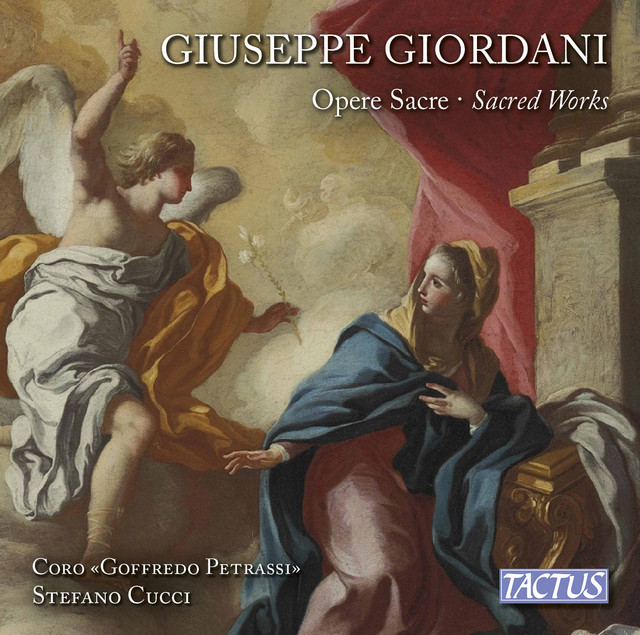


About Italian choir
Italian choir is a broad, time-spanning tradition rather than a single standalone style. Rooted in Italy’s grand cathedrals, basilicas, and conservatories, it speaks in a language of collective voice: multiple parts weaving together in legato lines, precise diction, and a shared breath that binds text to sound. Though most closely associated with sacred music, Italian choral practice has touched concert repertoire, liturgical settings, and modern choral art, making it a living thread through Renaissance cloisters and contemporary concert halls alike.
Origins and birth
The mid-16th century marks a pivotal moment when Italian polyphony came into its own. In Venice, the Venetian polychoral style—championed by Giovanni Gabrieli at St. Mark’s Basilica—made dramatic use of antiphonal choirs and spatially separated groups. The result was a music of grand architecture, its spatial texture as much part of the sound as the notes themselves. Around the same period, the Roman School, led by Giovanni Pierluigi da Palestrina, codified a more streamlined, text-focused polyphony that valued clarity and balance. Palestrina’s Missa Papae Marcelli became a touchstone for Catholic liturgical music and a touchstone for generations of choristers.
Baroque to classical expansion
The Baroque era brought vivid dramatic writing to the choral idiom. Claudio Monteverdi pushed beyond traditional psalm settings with expressive recitatives and virtuosic writing that paired the voice with theatrical rhetoric, culminating in monumental works such as his Vespers of 1610. Italian sacred music also grew through composers like Pergolesi, whose Stabat Mater (1736) remains a touchstone for intimate, emotionally charged choral writing, and Vivaldi, whose sacred concertos and motets for choir became a staple of the era. The 18th and 19th centuries saw the “Roman School” and the Neapolitan school contribute operatic energy to sacred forms, while figures like Rossini and Verdi gave choral writing a concert-dramatic edge with works such as Petite Messe Solennelle and Messa da Requiem.
20th century to today
In the 20th century, Italy kept its choral heritage vital through education, church choirs, and new commissions. Lorenzo Perosi and other composers of the Italian sacred tradition renewed interest in polyphonic writing within a modern voice. Today, Italian choirs study and perform a broad repertoire—from early motets, Misses, and antiphonal works to contemporary commissions that explore timbre, micro-intonation, and textural explorations. Italian choral singing remains robust in conservatories and churches, where ensembles train singers in breath, diction, and ensemble precision—skills that define the Italian choir tradition.
Key artists and ambassadors
Palestrina stands as a canonical ambassador of Italian sacred polyphony; Monteverdi bridged Renaissance and Baroque with dramatic choral writing; Gabrieli epitomizes the Venetian antiphony that made large-scale choral textures possible. Pergolesi’s sacred works and Rossini’s Petite Messe Solennelle broaden the emotional and architectural scope of Italian choral music, while Verdi’s Messa da Requiem demonstrates how the operatic voice can illuminate sacred drama. Collectively, these figures symbolize an Italian approach that prizes clear text, singing line, and a sense of architectural cohesion in choral sound.
Global reach
Italy remains the central hub of this tradition, but Italian choral music enjoys enthusiastic listening and performing communities worldwide. It is especially cherished in Europe, the Americas, and parts of Asia where choirs perform liturgical repertoire, Renaissance masterworks, and modern choral commissions. For enthusiasts, the Italian choir offers a spectrum—from the pristine balance of the Roman School to the expansive splendor of Venetian antiphony and the expressive immediacy of Baroque sacred concertos.
Origins and birth
The mid-16th century marks a pivotal moment when Italian polyphony came into its own. In Venice, the Venetian polychoral style—championed by Giovanni Gabrieli at St. Mark’s Basilica—made dramatic use of antiphonal choirs and spatially separated groups. The result was a music of grand architecture, its spatial texture as much part of the sound as the notes themselves. Around the same period, the Roman School, led by Giovanni Pierluigi da Palestrina, codified a more streamlined, text-focused polyphony that valued clarity and balance. Palestrina’s Missa Papae Marcelli became a touchstone for Catholic liturgical music and a touchstone for generations of choristers.
Baroque to classical expansion
The Baroque era brought vivid dramatic writing to the choral idiom. Claudio Monteverdi pushed beyond traditional psalm settings with expressive recitatives and virtuosic writing that paired the voice with theatrical rhetoric, culminating in monumental works such as his Vespers of 1610. Italian sacred music also grew through composers like Pergolesi, whose Stabat Mater (1736) remains a touchstone for intimate, emotionally charged choral writing, and Vivaldi, whose sacred concertos and motets for choir became a staple of the era. The 18th and 19th centuries saw the “Roman School” and the Neapolitan school contribute operatic energy to sacred forms, while figures like Rossini and Verdi gave choral writing a concert-dramatic edge with works such as Petite Messe Solennelle and Messa da Requiem.
20th century to today
In the 20th century, Italy kept its choral heritage vital through education, church choirs, and new commissions. Lorenzo Perosi and other composers of the Italian sacred tradition renewed interest in polyphonic writing within a modern voice. Today, Italian choirs study and perform a broad repertoire—from early motets, Misses, and antiphonal works to contemporary commissions that explore timbre, micro-intonation, and textural explorations. Italian choral singing remains robust in conservatories and churches, where ensembles train singers in breath, diction, and ensemble precision—skills that define the Italian choir tradition.
Key artists and ambassadors
Palestrina stands as a canonical ambassador of Italian sacred polyphony; Monteverdi bridged Renaissance and Baroque with dramatic choral writing; Gabrieli epitomizes the Venetian antiphony that made large-scale choral textures possible. Pergolesi’s sacred works and Rossini’s Petite Messe Solennelle broaden the emotional and architectural scope of Italian choral music, while Verdi’s Messa da Requiem demonstrates how the operatic voice can illuminate sacred drama. Collectively, these figures symbolize an Italian approach that prizes clear text, singing line, and a sense of architectural cohesion in choral sound.
Global reach
Italy remains the central hub of this tradition, but Italian choral music enjoys enthusiastic listening and performing communities worldwide. It is especially cherished in Europe, the Americas, and parts of Asia where choirs perform liturgical repertoire, Renaissance masterworks, and modern choral commissions. For enthusiasts, the Italian choir offers a spectrum—from the pristine balance of the Roman School to the expansive splendor of Venetian antiphony and the expressive immediacy of Baroque sacred concertos.