Genre
italian folk
Top Italian folk Artists
Showing 11 of 11 artists



About Italian folk
Italian folk is a broad umbrella for the traditional music of Italy’s many regions, a terrain where ancient chants, work songs, festival tunes, and dance rhythms mingle with local languages, dialects, and identities. It is a living tradition, not a museum piece, continually reinterpreted by communities across the peninsula and in Italian Diaspora communities around the world. For enthusiasts, it offers a map of sound that ranges from the drone-rich plains of Sardinia to the salt of coastal Calabria, from the sunny tarantellas of Apulia to the mountain ballads of the Alps.
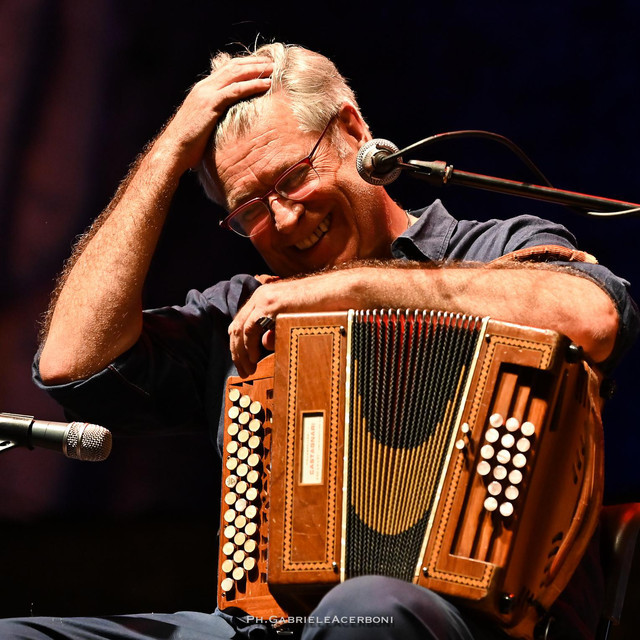
The roots go deep. Italian folk music grew out of centuries of rural life, religious rites, harvest celebrations, and seafaring routes. Much of it existed as a primarily oral tradition, transmitted from generation to generation in dialects and regional forms long before standard Italian became widespread. Over the centuries, regional repertoires accumulated distinctive features: Sardinia gave rise to polyphonic singing known as cantu a tenore; the southern heel of the boot fed the brisk, hypnotic rhythms of tarantella and pizzica; the north contributed seasonal ballads and pastoral tunes; the islands preserve unique laments and ceremonial songs. The repertoire includes a wealth of instruments—zampogna (bagpipe), launeddas (the Sardinian reed pipes), tamburello (tambourine), organetto (free-reed accordion), mandola and mandolin, and various traditional drums and plucked strings—that color the music with regional textures.
When it was born as a modern, widely recognized movement is debatable, but a common turning point is the postwar revival of the 1950s–1970s. During this period, scholars, composers, and performers began collecting regional songs, reviving interest in authentic musical roots, and fusing traditional tunes with contemporary songcraft. This era gave birth to a generation of artists who could carry the music to stages and studios beyond villages and local celebrations. The result was a spectrum that includes hard, chant-like folk labor songs, lilting dances, and intimate singer-songwriter pieces that nonetheless carry a distinctly regional flavor.
Key ambassadors help illuminate Italian folk’s breadth. Fabrizio De André remains a towering figure in Italian folk, weaving traditional storytelling with global influences and literary lyricism. Angelo Branduardi embraced medieval and early-modern textures, using lute-like instruments and archaic modes to craft timeless fables in song. Giovanna Marini, a composer and ethnomusicologist, collected and reimagined ritual and protest songs, shaping a more politically aware strand of the tradition. The Canzoniere Grecanico Salentino has become a leading force in Apulia, blending pizzica and other southern styles with contemporary sensibilities. In Sardinia, the Tenores di Sardegna (cantus a tenore) showcase one of the peninsula’s most ancient and distinctive vocal forms, heard by listeners around the world in concert and on records.
Popular appeal is strongest in Italy, where regional scenes remain vibrant in villages, festivals, and clubs. Abroad, Italian folk finds audiences in countries with long Italian communities—hubs of world-music programming in Europe, North America, Australia, and beyond—where artists keep the tradition alive, often blending it with modern folk, rock, or electronic textures. For the curious listener, Italian folk offers a passport to sound that is as diverse as Italy itself: hypnotic polyphony, rousing dance tunes, and intimate storytelling, all rooted in place yet resonant across borders.
The roots go deep. Italian folk music grew out of centuries of rural life, religious rites, harvest celebrations, and seafaring routes. Much of it existed as a primarily oral tradition, transmitted from generation to generation in dialects and regional forms long before standard Italian became widespread. Over the centuries, regional repertoires accumulated distinctive features: Sardinia gave rise to polyphonic singing known as cantu a tenore; the southern heel of the boot fed the brisk, hypnotic rhythms of tarantella and pizzica; the north contributed seasonal ballads and pastoral tunes; the islands preserve unique laments and ceremonial songs. The repertoire includes a wealth of instruments—zampogna (bagpipe), launeddas (the Sardinian reed pipes), tamburello (tambourine), organetto (free-reed accordion), mandola and mandolin, and various traditional drums and plucked strings—that color the music with regional textures.
When it was born as a modern, widely recognized movement is debatable, but a common turning point is the postwar revival of the 1950s–1970s. During this period, scholars, composers, and performers began collecting regional songs, reviving interest in authentic musical roots, and fusing traditional tunes with contemporary songcraft. This era gave birth to a generation of artists who could carry the music to stages and studios beyond villages and local celebrations. The result was a spectrum that includes hard, chant-like folk labor songs, lilting dances, and intimate singer-songwriter pieces that nonetheless carry a distinctly regional flavor.
Key ambassadors help illuminate Italian folk’s breadth. Fabrizio De André remains a towering figure in Italian folk, weaving traditional storytelling with global influences and literary lyricism. Angelo Branduardi embraced medieval and early-modern textures, using lute-like instruments and archaic modes to craft timeless fables in song. Giovanna Marini, a composer and ethnomusicologist, collected and reimagined ritual and protest songs, shaping a more politically aware strand of the tradition. The Canzoniere Grecanico Salentino has become a leading force in Apulia, blending pizzica and other southern styles with contemporary sensibilities. In Sardinia, the Tenores di Sardegna (cantus a tenore) showcase one of the peninsula’s most ancient and distinctive vocal forms, heard by listeners around the world in concert and on records.
Popular appeal is strongest in Italy, where regional scenes remain vibrant in villages, festivals, and clubs. Abroad, Italian folk finds audiences in countries with long Italian communities—hubs of world-music programming in Europe, North America, Australia, and beyond—where artists keep the tradition alive, often blending it with modern folk, rock, or electronic textures. For the curious listener, Italian folk offers a passport to sound that is as diverse as Italy itself: hypnotic polyphony, rousing dance tunes, and intimate storytelling, all rooted in place yet resonant across borders.