Genre
italian pop punk
Top Italian pop punk Artists
Showing 25 of 27 artists







About Italian pop punk
Italian pop punk is a melodic, high-energy fusion that marries the kiss-off hooks of pop with the speed and rough edge of punk. It’s a distinctly Italian strand of the wider pop-punk family, characterized by catchy choruses, concise guitar riffs, and lyrics sung in Italian that often mix everyday life with a dash of irony and social observation. The result is accessible, danceable music that still carries the DIY spirit and immediacy of punk.
Origins and emergence
The genre sprouted in the late 1990s and early 2000s, riding the global wave of American and British pop-punk while rooting the sound in Italian sensibilities and vernacular. It grew out of Italy’s vibrant independent scene, where bands connected through fanzines, small venues, and tight-knit DIY networks. While the American bands provided the template—fast tempos, melodic turns, and relatable themes—the Italian version emphasized language-driven storytelling and a local, sometimes ironic, take on youth culture. This gave Italian pop punk a sense of place: punchy, relatable, and proudly Italian.
Musical traits
Expect brisk tempos, snappy melodies, and a structure that favors short, anthemic songs. The guitar lines are often bright and hook-oriented, balancing punk’s aggression with pop’s sing-along appeal. Rhythms lean energetic rather than technical, making the music instantly approachable on headphones or in a club. Vocals tend to stay intelligible and expressive, prioritizing direct connection with the listener over virtuosity. While many acts lean toward the punk side, there’s a frequent emotional warmth and melodic sweetness that makes the genre feel lighter and more infectious than harder-edged punk. Lyrically, Italian pop punk can range from lighthearted reminders of adolescence to sharper social commentary, always delivered with a distinctly Italian inflection and humor.
Key artists and ambassadors
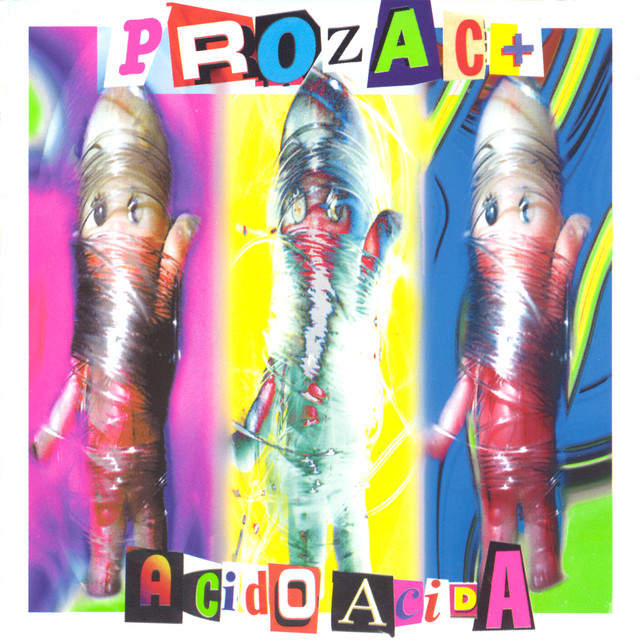
Punkreas is one of the long-standing names often cited as a pillar of Italy’s punk scene, helping lay the groundwork for melodic, Italian-language punk that could bridge clubs and broader audiences. Prozac+ emerged as a defining pop-punk/emo hybrid in the late 1990s and early 2000s, bringing emotive storytelling and melodic sophistication to a broader audience. Zen Circus entered the orbit a bit later with a DIY, punk-infused craft that expanded the palette to include folk-punk influences, demonstrating the genre’s flexibility and resilience. These acts—together with a host of smaller labels and venues—helped establish a recognizable Italian flavor within the broader pop-punk universe and inspired newer generations of bands across Italy.
Geography and reach
Italy remains the core hub of the genre, with a dedicated following in major cities and regional scenes. Outside Italy, there are smaller but enthusiastic audiences in other European countries and Latin America, where Italian culture and language often find receptive ears. Streaming platforms have helped new bands reach listeners who crave energetic, melodic indie-punk with Italian lyrics, contributing to a quiet but steady international curiosity about the scene.
In sum, Italian pop punk is a lively, language-rich branch of the global pop-punk tree. It prizes immediacy and memorability, remains rooted in community-driven DIY values, and continues to evolve through a mix of classic influences and contemporary crossovers. If you’re seeking upbeat, sing-along energy wrapped in Italian lyric storytelling, this genre is worth exploring.
Origins and emergence
The genre sprouted in the late 1990s and early 2000s, riding the global wave of American and British pop-punk while rooting the sound in Italian sensibilities and vernacular. It grew out of Italy’s vibrant independent scene, where bands connected through fanzines, small venues, and tight-knit DIY networks. While the American bands provided the template—fast tempos, melodic turns, and relatable themes—the Italian version emphasized language-driven storytelling and a local, sometimes ironic, take on youth culture. This gave Italian pop punk a sense of place: punchy, relatable, and proudly Italian.
Musical traits
Expect brisk tempos, snappy melodies, and a structure that favors short, anthemic songs. The guitar lines are often bright and hook-oriented, balancing punk’s aggression with pop’s sing-along appeal. Rhythms lean energetic rather than technical, making the music instantly approachable on headphones or in a club. Vocals tend to stay intelligible and expressive, prioritizing direct connection with the listener over virtuosity. While many acts lean toward the punk side, there’s a frequent emotional warmth and melodic sweetness that makes the genre feel lighter and more infectious than harder-edged punk. Lyrically, Italian pop punk can range from lighthearted reminders of adolescence to sharper social commentary, always delivered with a distinctly Italian inflection and humor.
Key artists and ambassadors
Punkreas is one of the long-standing names often cited as a pillar of Italy’s punk scene, helping lay the groundwork for melodic, Italian-language punk that could bridge clubs and broader audiences. Prozac+ emerged as a defining pop-punk/emo hybrid in the late 1990s and early 2000s, bringing emotive storytelling and melodic sophistication to a broader audience. Zen Circus entered the orbit a bit later with a DIY, punk-infused craft that expanded the palette to include folk-punk influences, demonstrating the genre’s flexibility and resilience. These acts—together with a host of smaller labels and venues—helped establish a recognizable Italian flavor within the broader pop-punk universe and inspired newer generations of bands across Italy.
Geography and reach
Italy remains the core hub of the genre, with a dedicated following in major cities and regional scenes. Outside Italy, there are smaller but enthusiastic audiences in other European countries and Latin America, where Italian culture and language often find receptive ears. Streaming platforms have helped new bands reach listeners who crave energetic, melodic indie-punk with Italian lyrics, contributing to a quiet but steady international curiosity about the scene.
In sum, Italian pop punk is a lively, language-rich branch of the global pop-punk tree. It prizes immediacy and memorability, remains rooted in community-driven DIY values, and continues to evolve through a mix of classic influences and contemporary crossovers. If you’re seeking upbeat, sing-along energy wrapped in Italian lyric storytelling, this genre is worth exploring.