Genre
italian post-hardcore
Top Italian post-hardcore Artists
Showing 7 of 7 artists

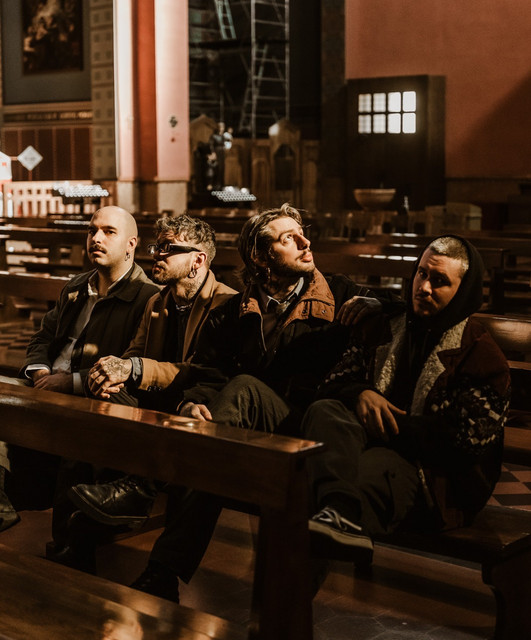


About Italian post-hardcore
Italian post-hardcore is a distinct, emotionally charged branch of the broader European post-hardcore family. It grew out of Italy’s hardcore and emo underground in the late 1990s and early 2000s, a period when DIY culture, fanzines, and small, autonomous venues were multiplying across cities. What emerged was a sound that preserves the aggression and propulsion of hardcore while embracing melodic vulnerability, dynamic contrasts, and a willingness to push song structures beyond verse-chorus-verse.
Musically, Italian post-hardcore thrives on tension and release. You’ll hear screamed or shouted vocals that shift into more fragile, almost spoken or softly sung lines, creating a dialogue between fury and fragility. Guitars can range from stuttering, sharp riffs to expansive, intertwined guitars that crest into atmospheric swells. Basslines often anchor the music with a tactile, almost percussive push, while drums weave bursts of blast with measured, math-influenced rhythms. The result is a sound that can feel claustrophobic and intimate in the same breath, capable of sudden tempo changes, sudden whispers, and long, developing crescendos. Lyrically, themes often dwell on personal struggle, political disquiet, alienation, and introspective inquiry, making the music feel like a diary of the moment’s pressure and release.
The scene has a practical, community-driven backbone. Smaller European scenes around Italy—cities like Rome, Milan, Bologna, and Treviso—developed networks of bands, labels, and venues that supported each release and tour. Italian post-hardcore also drew into its orbit the broader screamo and emo aesthetics that traveled across Europe, producing a cross-pollination with other languages and cultures. This connection to a wider European DIY bloodstream helped the genre stay vital even when mainstream attention moved elsewhere.
Ambassadors and key acts are often discussed in terms of influence and recent activity. One act frequently cited as a foundational influence in the Italian post-hardcore and screamo lineage is La Quiete, a band associated with Treviso that helped define a rigorous, emotionally intense approach to the form. They, along with peers in the same generational wave, became touchstones for many younger groups wanting to fuse the immediacy of hardcore with the lyricism of emo and the experimentation of post-rock. Beyond that landmark act, the Italian scene has continued to nurture bands that tour Europe and collaborate with foreign labels, keeping the dialogue with other post-hardcore and screamo communities alive.
In terms of reach, Italy remains the central hub for this genre, but its appeal extends to neighboring European countries—Spain, France, and the U.K.—where fans, zines, and smaller labels have exchanged splits, tours, and ideas. North American audiences also host a dedicated, albeit smaller, cohort of listeners who gravitate toward the genre’s raw emotionality and intricate arrangements. Across continents, the core of Italian post-hardcore remains a deeply personal, often introspective sound: aggressive when needed, melodic when called for, and always tethered to a sense of space and atmosphere that invites repeated listening.
If you’re exploring post-hardcore from a European perspective, Italian acts offer a compelling blend of urgency, lyrical candidness, and melodic invention that sits somewhere between screams and sighs, chaos and clarity.
Musically, Italian post-hardcore thrives on tension and release. You’ll hear screamed or shouted vocals that shift into more fragile, almost spoken or softly sung lines, creating a dialogue between fury and fragility. Guitars can range from stuttering, sharp riffs to expansive, intertwined guitars that crest into atmospheric swells. Basslines often anchor the music with a tactile, almost percussive push, while drums weave bursts of blast with measured, math-influenced rhythms. The result is a sound that can feel claustrophobic and intimate in the same breath, capable of sudden tempo changes, sudden whispers, and long, developing crescendos. Lyrically, themes often dwell on personal struggle, political disquiet, alienation, and introspective inquiry, making the music feel like a diary of the moment’s pressure and release.
The scene has a practical, community-driven backbone. Smaller European scenes around Italy—cities like Rome, Milan, Bologna, and Treviso—developed networks of bands, labels, and venues that supported each release and tour. Italian post-hardcore also drew into its orbit the broader screamo and emo aesthetics that traveled across Europe, producing a cross-pollination with other languages and cultures. This connection to a wider European DIY bloodstream helped the genre stay vital even when mainstream attention moved elsewhere.
Ambassadors and key acts are often discussed in terms of influence and recent activity. One act frequently cited as a foundational influence in the Italian post-hardcore and screamo lineage is La Quiete, a band associated with Treviso that helped define a rigorous, emotionally intense approach to the form. They, along with peers in the same generational wave, became touchstones for many younger groups wanting to fuse the immediacy of hardcore with the lyricism of emo and the experimentation of post-rock. Beyond that landmark act, the Italian scene has continued to nurture bands that tour Europe and collaborate with foreign labels, keeping the dialogue with other post-hardcore and screamo communities alive.
In terms of reach, Italy remains the central hub for this genre, but its appeal extends to neighboring European countries—Spain, France, and the U.K.—where fans, zines, and smaller labels have exchanged splits, tours, and ideas. North American audiences also host a dedicated, albeit smaller, cohort of listeners who gravitate toward the genre’s raw emotionality and intricate arrangements. Across continents, the core of Italian post-hardcore remains a deeply personal, often introspective sound: aggressive when needed, melodic when called for, and always tethered to a sense of space and atmosphere that invites repeated listening.
If you’re exploring post-hardcore from a European perspective, Italian acts offer a compelling blend of urgency, lyrical candidness, and melodic invention that sits somewhere between screams and sighs, chaos and clarity.