Genre
italian underground hip hop
Top Italian underground hip hop Artists
Showing 25 of 68 artists







About Italian underground hip hop
Italian underground hip hop is a distinctly Italian branch of the global hip hop family, born in the late 1980s and flowering through the 1990s. It grew from small, independent crews, club nights, and cassette tapes rather than radio hits, and quickly developed a strong sense of local identity. Early on, artists began to rhyme in Italian, often weaving regional slang and dialects into dense, literate lyricism that tackled social issues, urban life, and personal reflection. The result is a sound that feels lived-in, rough-edged, and highly collaborative.
The scene coalesced around major Italian cities—Milan, Rome, Naples, Turin—where crews and solo artists traded tapes, shared beats, and staged improvised performances. Production tended to be sample-heavy and gritty, favoring a DIY approach that prized authenticity over polish. Live shows, open mics, and “beat battles” helped the movement survive even when mainstream radio and television weren’t offering a platform. Over the years, the underground kept multiplying its subgenres—from boom-bap-influenced storytelling to more experimental, jazz-tinged textures—while staying rooted in a streetwise, intellectual tradition.
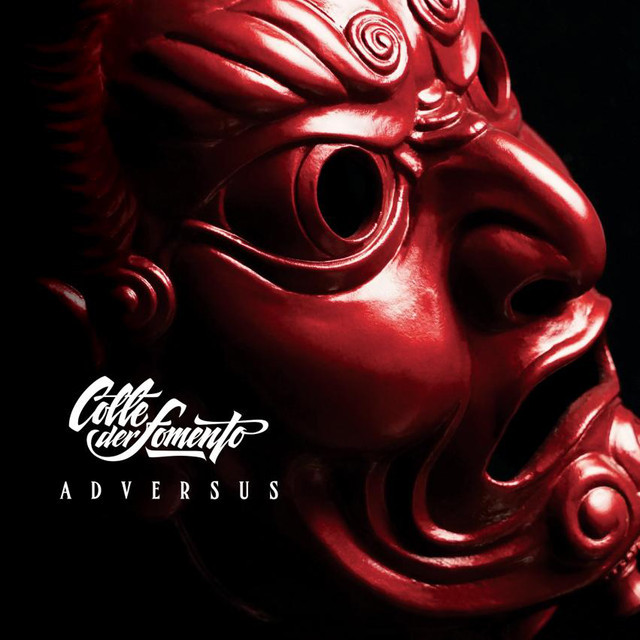
Key ambassadors and landmark acts helped define the sound and finish the bridge to a broader audience. Frankie hi-nrg mc stands as one of the earliest and most influential voices, known for witty, politically aware lyrics delivered with technical prowess. Rome’s Colle Der Fomento became a touchstone for hard-edged, relentless rhyming and a purist approach to MCing. Articolo 31, the Milan-based duo that included J-Ax, played a crucial role in taking underground Italian rap toward a wider audience in the late 1990s, blending street storytelling with humor and social critique. Caparezza emerged in the 2000s as a luminous, clever voice who used wordplay and satirical storytelling to address politics, media, and cultural norms while retaining underground credibility.
Beyond these icons, a second wave of artists—Mondo Marcio, Noyz Narcos, and the more recent voices like Gemitaiz and MadMan—kept the scene vibrant through independent releases and collaborative crews such as Machete. The sound has always rewarded lyricism and imagination: dense bars, clever internal rhymes, and a willingness to blend genres—anything from grime-inspired rhythms to jazzy, boom-bap backdrops.
In terms of reach, Italian underground hip hop remains strongest in Italy, where regional scenes continue to thrive in cities like Rome, Milan, Naples, and Turin. It also maintains a devoted following among Italian-speaking communities abroad, notably in Switzerland and among the global diaspora that follows independent rap online. The genre’s present is highly plural: it honors its roots while embracing new production techniques and cross-genre experimentation, ensuring that the underground remains a living, evolving force for Italian music lovers.
The scene coalesced around major Italian cities—Milan, Rome, Naples, Turin—where crews and solo artists traded tapes, shared beats, and staged improvised performances. Production tended to be sample-heavy and gritty, favoring a DIY approach that prized authenticity over polish. Live shows, open mics, and “beat battles” helped the movement survive even when mainstream radio and television weren’t offering a platform. Over the years, the underground kept multiplying its subgenres—from boom-bap-influenced storytelling to more experimental, jazz-tinged textures—while staying rooted in a streetwise, intellectual tradition.
Key ambassadors and landmark acts helped define the sound and finish the bridge to a broader audience. Frankie hi-nrg mc stands as one of the earliest and most influential voices, known for witty, politically aware lyrics delivered with technical prowess. Rome’s Colle Der Fomento became a touchstone for hard-edged, relentless rhyming and a purist approach to MCing. Articolo 31, the Milan-based duo that included J-Ax, played a crucial role in taking underground Italian rap toward a wider audience in the late 1990s, blending street storytelling with humor and social critique. Caparezza emerged in the 2000s as a luminous, clever voice who used wordplay and satirical storytelling to address politics, media, and cultural norms while retaining underground credibility.
Beyond these icons, a second wave of artists—Mondo Marcio, Noyz Narcos, and the more recent voices like Gemitaiz and MadMan—kept the scene vibrant through independent releases and collaborative crews such as Machete. The sound has always rewarded lyricism and imagination: dense bars, clever internal rhymes, and a willingness to blend genres—anything from grime-inspired rhythms to jazzy, boom-bap backdrops.
In terms of reach, Italian underground hip hop remains strongest in Italy, where regional scenes continue to thrive in cities like Rome, Milan, Naples, and Turin. It also maintains a devoted following among Italian-speaking communities abroad, notably in Switzerland and among the global diaspora that follows independent rap online. The genre’s present is highly plural: it honors its roots while embracing new production techniques and cross-genre experimentation, ensuring that the underground remains a living, evolving force for Italian music lovers.