Genre
j-idol
Top J-idol Artists
Showing 7 of 7 artists
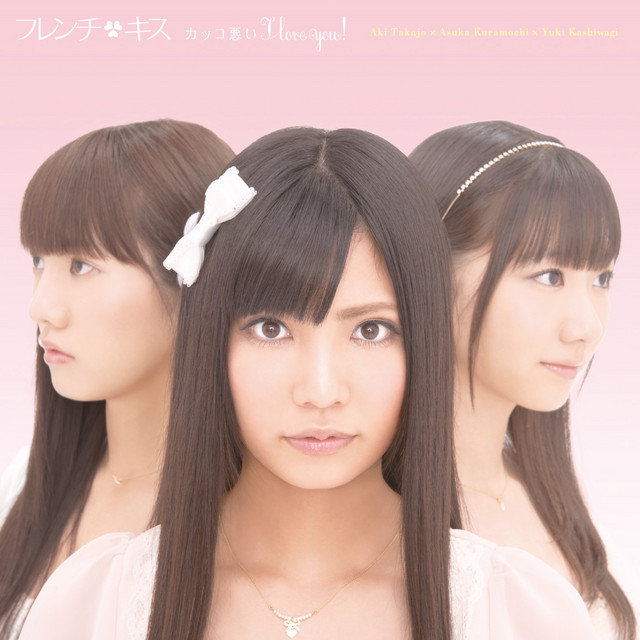
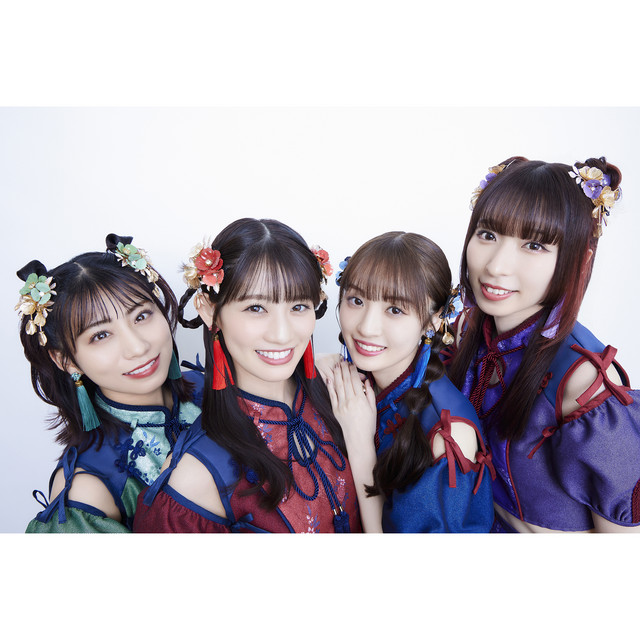

5

桜エビ~ず
3,859
- listeners
About J-idol
J-idol is best described as a cultural ecosystem built around young Japanese pop performers, rather than a single musical style. It blends catchy, hook-laden pop with image management, choreographed performances, and a fan-driven economy of events and media appearances. While the sound can span bright J-pop, dance-pop, electropop, and anime-influenced motifs, what sets J-idol apart is the relationship between artist and audience: fan clubs, handshake events, photo books, daily blogs, and meticulously crafted public personas.
Origins reach back to the postwar era’s teen-idol phenomenon in the 1960s and 1970s. Actresses and singers such as Momoe Yamaguchi, The Candies, and Pink Lady defined an idol template: music release cycles aligned with television exposure, fan clubs, and image-building that could travel beyond a single hit. The 1980s brought Seiko Matsuda and Akina Nakamori, who fused singing prowess with dramatic media presence. The modern mass-identity form emerged in the late 1990s with Morning Musume under Hello! Project, emphasizing rotating lineups and multi-act collaborations. This evolution set the template for the contemporary J-idol system: portable, media-savvy, and intensely fan-oriented.
Ambassadors and flagship acts read like a who’s who of Japan’s pop calendar. Early pioneers—Momoe Yamaguchi, The Candies, Seiko Matsuda—defined the idol as a multi-media package: songs, TV, concerts, and fan rapport. In the 2000s and 2010s, Morning Musume and AKB48 framed a scalable model: theater-based performances, a large candidate pool, and organized fan engagement through general elections, graduated members, and handshake events. Male idols from Johnny & Associates—SMAP, Arashi, and others—helped broaden the format’s appeal, while groups such as Perfume expanded the sound with glossy production and choreographed futurism. Virtual idols later entered the scene, extending the brand into digital realms.
Geography and audience: The strongest presence remains in Japan, where idol culture is woven into television, radio, and live venues. It also thrives in East Asia—Taiwan, Hong Kong, and mainland China—with local sister groups and licensed productions; South Korea hosts a more peripheral but active community; Southeast Asia—Indonesia, the Philippines, Singapore, Malaysia—hosts vibrant fan networks and import releases. In the West, J-idol circulates through streaming, fan forums, and niche conventions. The genre-like phenomenon continues to absorb fashionable trends, dance styles, and anime aesthetics, making it a dynamic, evolving portal into contemporary Japanese pop culture. These performances often unfold in intimate theater spaces or large arenas, with a ritual sequence of live singing, choreographed dance, MC segments, and brief fan chats. The fanbase is organized into generations, with alumni maintaining a presence through reunions and nostalgia acts. This cyclical, participatory model remains the core engine of J-idol's enduring appeal.
Societal impact and musical influence: J-idol culture shaped Japanese fashion and teen media consumption. Idols serve as aspirational figures, influencing street fashion, cosmetics, and dance trends. The business model—talent discovery, rigorous training, controlled releases, and a feedback loop with fans—spawned a lucrative ecosystem around music, live venues, and merchandising. In recent years, the line between idol and artist has blurred: many performers also write, produce, or DJ, and the rise of streaming platforms has allowed fans worldwide to track careers minute by minute. The genre continues to redefine stardom in a highly connected, fan-sustainable way.
Origins reach back to the postwar era’s teen-idol phenomenon in the 1960s and 1970s. Actresses and singers such as Momoe Yamaguchi, The Candies, and Pink Lady defined an idol template: music release cycles aligned with television exposure, fan clubs, and image-building that could travel beyond a single hit. The 1980s brought Seiko Matsuda and Akina Nakamori, who fused singing prowess with dramatic media presence. The modern mass-identity form emerged in the late 1990s with Morning Musume under Hello! Project, emphasizing rotating lineups and multi-act collaborations. This evolution set the template for the contemporary J-idol system: portable, media-savvy, and intensely fan-oriented.
Ambassadors and flagship acts read like a who’s who of Japan’s pop calendar. Early pioneers—Momoe Yamaguchi, The Candies, Seiko Matsuda—defined the idol as a multi-media package: songs, TV, concerts, and fan rapport. In the 2000s and 2010s, Morning Musume and AKB48 framed a scalable model: theater-based performances, a large candidate pool, and organized fan engagement through general elections, graduated members, and handshake events. Male idols from Johnny & Associates—SMAP, Arashi, and others—helped broaden the format’s appeal, while groups such as Perfume expanded the sound with glossy production and choreographed futurism. Virtual idols later entered the scene, extending the brand into digital realms.
Geography and audience: The strongest presence remains in Japan, where idol culture is woven into television, radio, and live venues. It also thrives in East Asia—Taiwan, Hong Kong, and mainland China—with local sister groups and licensed productions; South Korea hosts a more peripheral but active community; Southeast Asia—Indonesia, the Philippines, Singapore, Malaysia—hosts vibrant fan networks and import releases. In the West, J-idol circulates through streaming, fan forums, and niche conventions. The genre-like phenomenon continues to absorb fashionable trends, dance styles, and anime aesthetics, making it a dynamic, evolving portal into contemporary Japanese pop culture. These performances often unfold in intimate theater spaces or large arenas, with a ritual sequence of live singing, choreographed dance, MC segments, and brief fan chats. The fanbase is organized into generations, with alumni maintaining a presence through reunions and nostalgia acts. This cyclical, participatory model remains the core engine of J-idol's enduring appeal.
Societal impact and musical influence: J-idol culture shaped Japanese fashion and teen media consumption. Idols serve as aspirational figures, influencing street fashion, cosmetics, and dance trends. The business model—talent discovery, rigorous training, controlled releases, and a feedback loop with fans—spawned a lucrative ecosystem around music, live venues, and merchandising. In recent years, the line between idol and artist has blurred: many performers also write, produce, or DJ, and the rise of streaming platforms has allowed fans worldwide to track careers minute by minute. The genre continues to redefine stardom in a highly connected, fan-sustainable way.